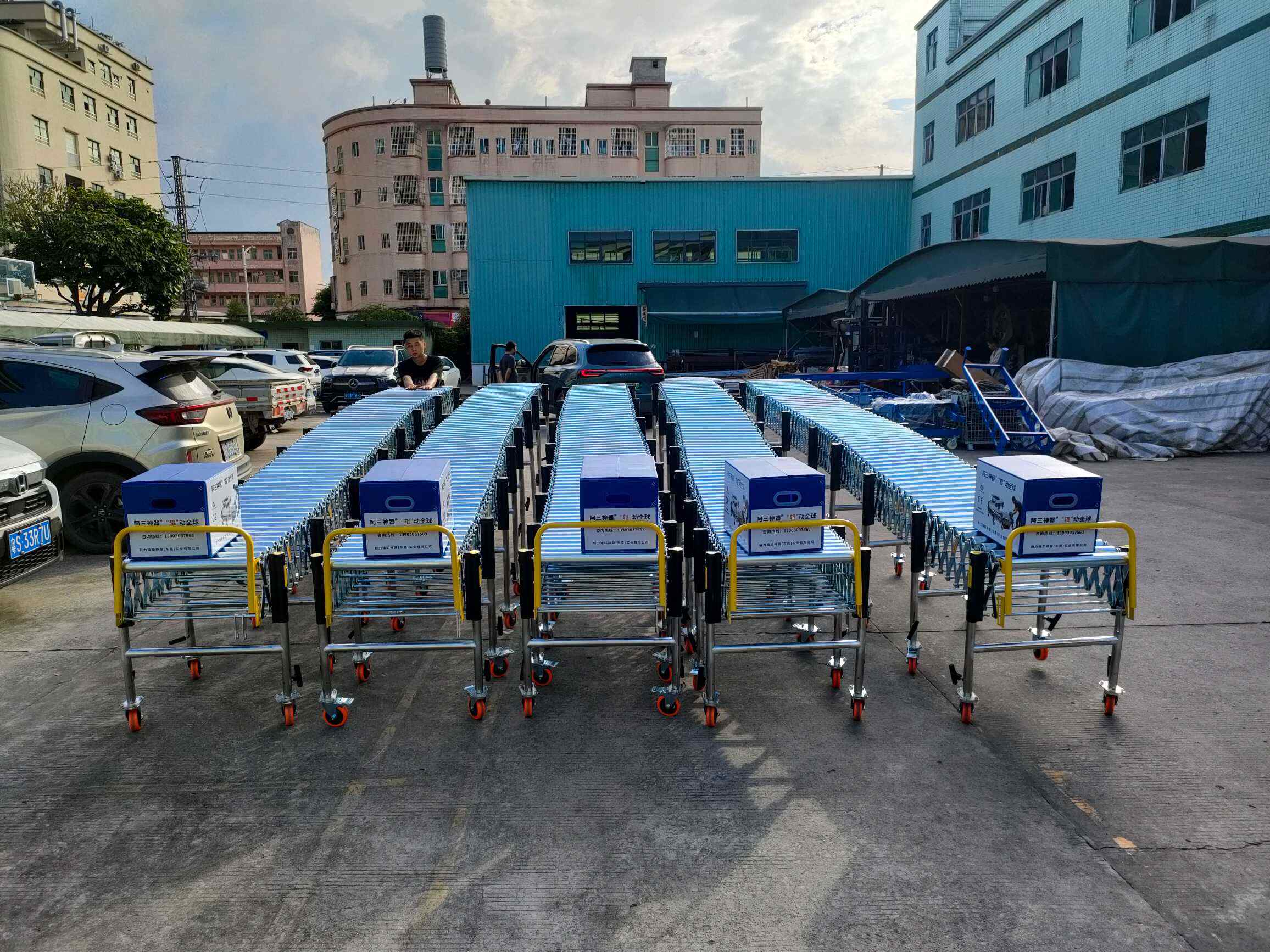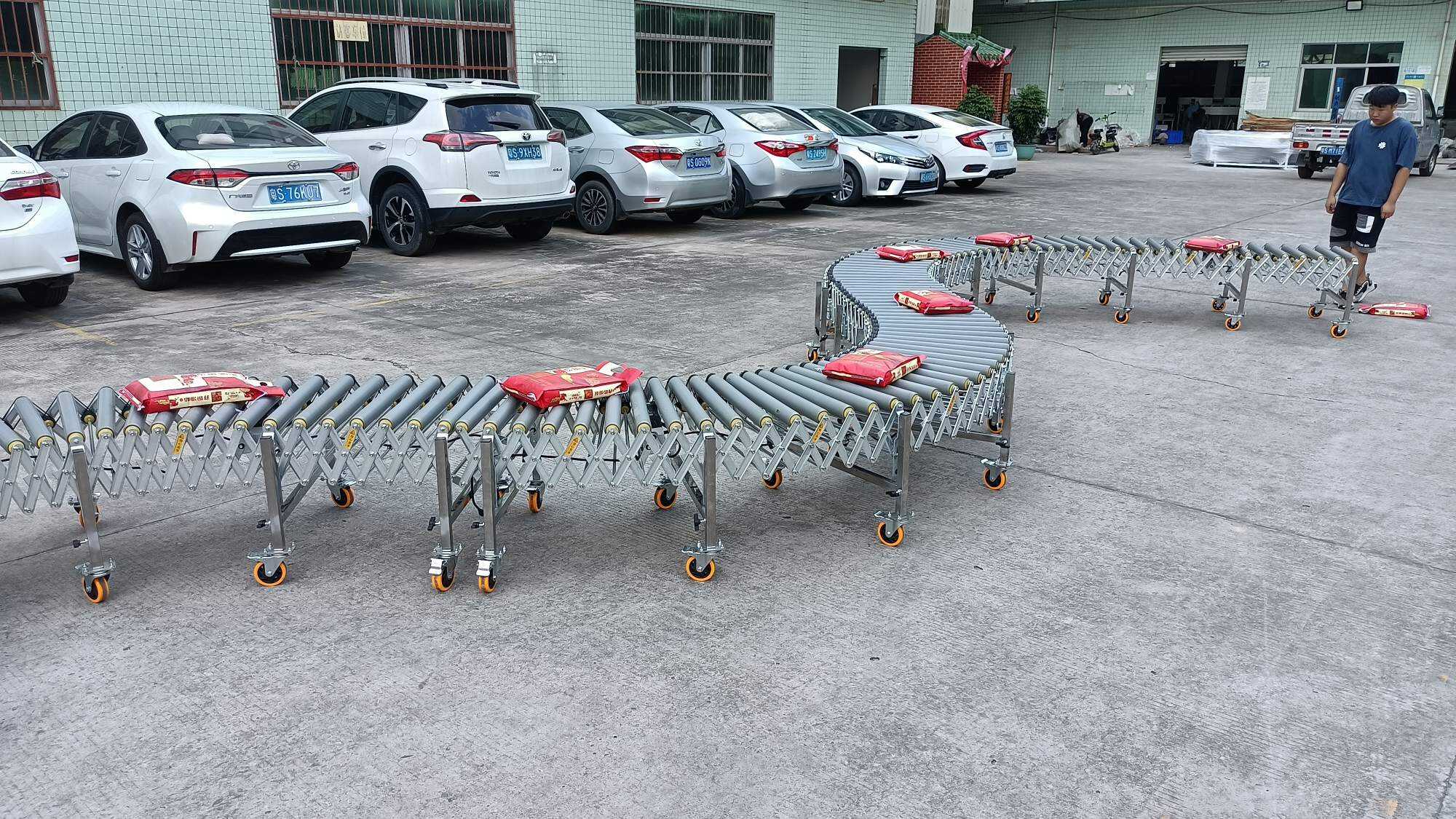

Telescopic Conveyor 3 Sections 1
Telescopic Conveyor Series

3-Section Telescopic Conveyor

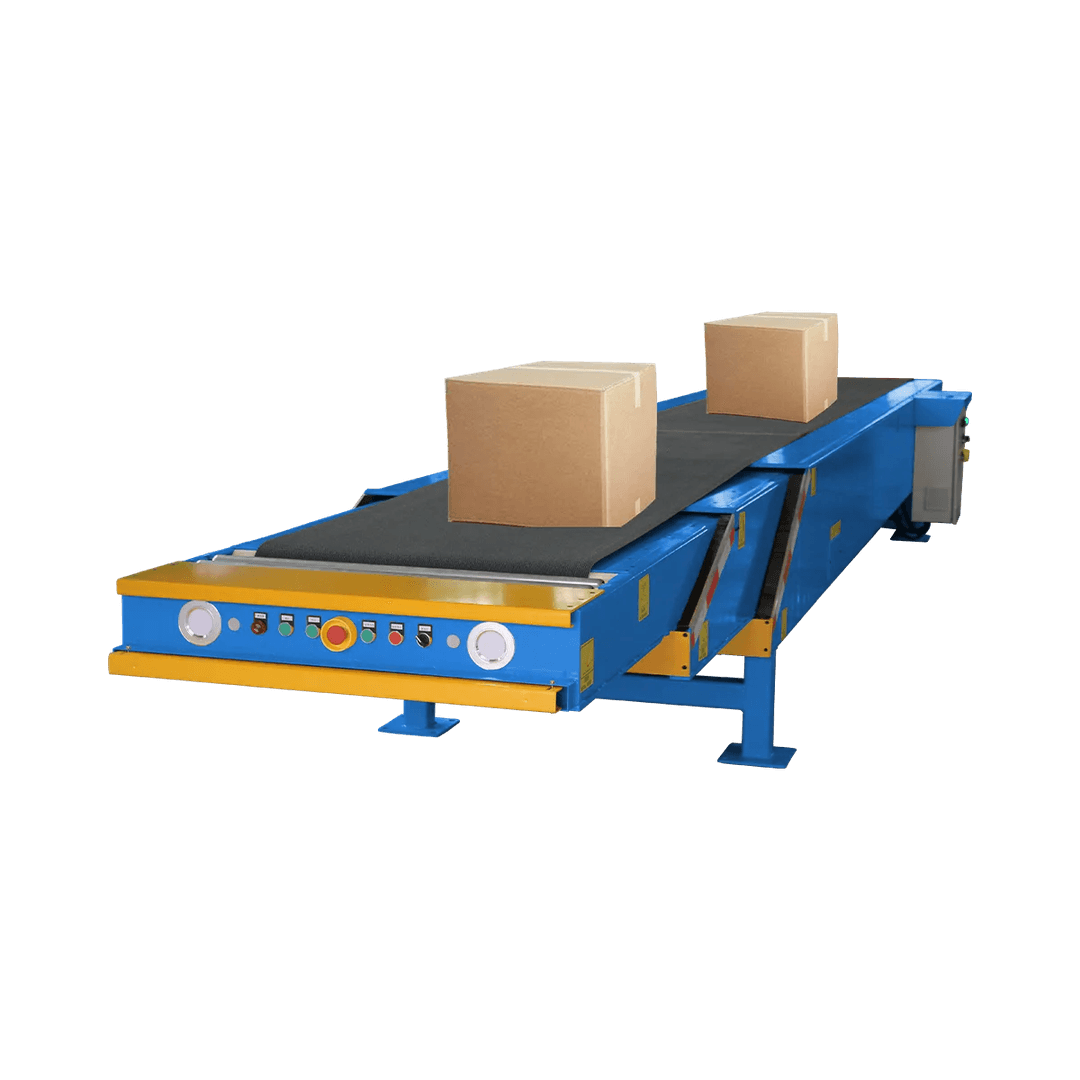
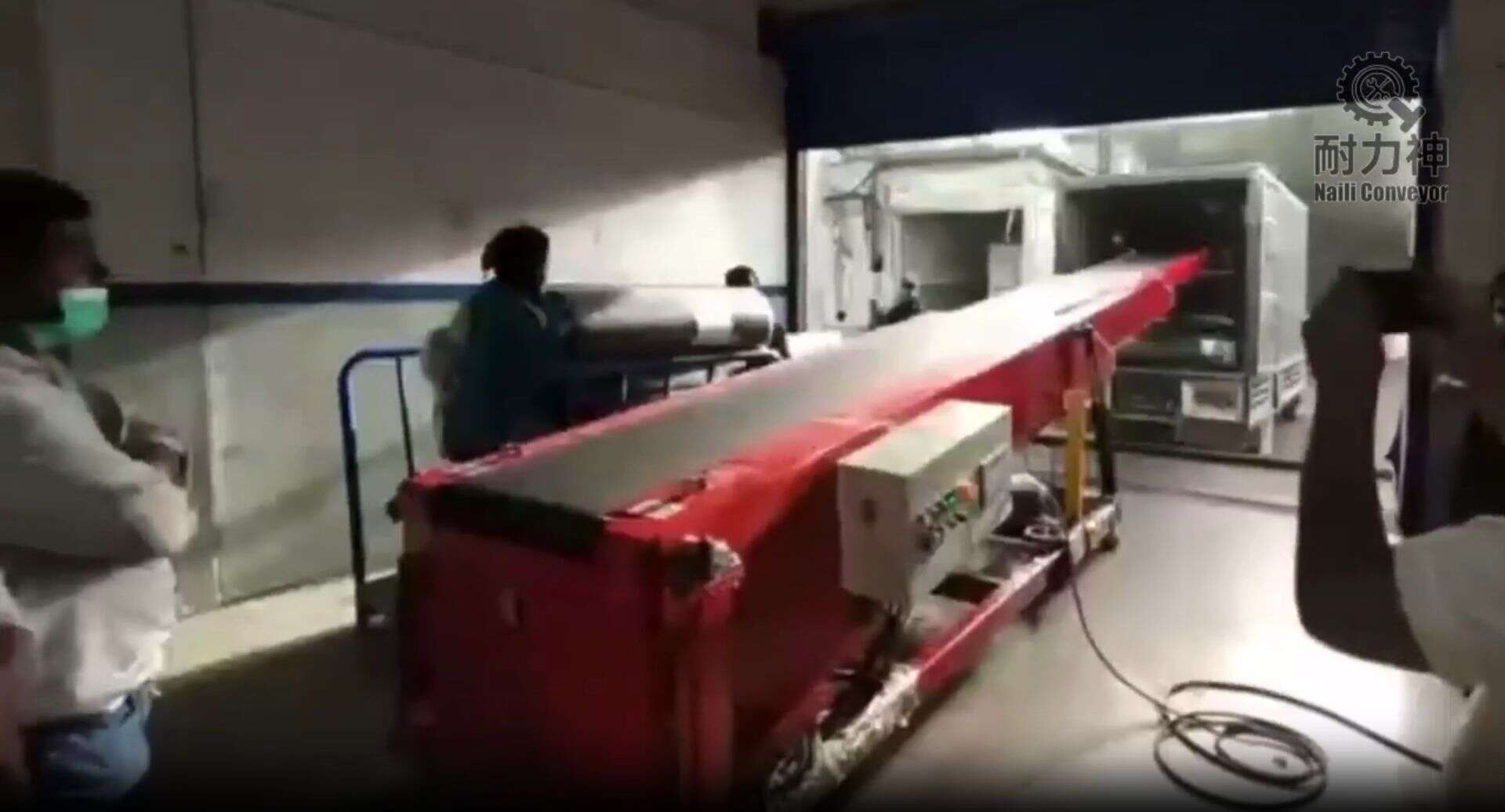
Our three-section telescopic conveyor can extend up to 7–9 meters, reaching deep into trucks and containers to enable fast and efficient loading and unloading. Its compact three-section design is ideal for warehouses, distribution centers, and high-load logistics operations, reducing manual handling and improving work efficiency.

Speed
10-40 m/min Stepless Speed Regulation
Load Capacity
60 kg/m
Effective Width
600/800 mm
Truck Dimensions
Up to 40ft container
Truck Bed Height
No limit
Extend into truck interior
Up to 9 meters
Applicable Goods (Recommended Maximum weight per item)

3-Section Telescopic Conveyor Maximum weight per item (reference)

Actual maximum weight depends on specific working conditions and configuration

Type of goods3-Section Telescopic Conveyor 5-7-12m3-Section Telescopic Conveyor 6-8-14m3-Section Telescopic Conveyor 6-8.5-14.5m3-Section Telescopic Conveyor 7-9-16m3-Section Telescopic Conveyor 7-9.5-16.5m
Metal Drum
50 kg/pcs50 kg/pcs50 kg/pcs50 kg/pcs50 kg/pcs
Plastic Drum
50 kg/pcs50 kg/pcs50 kg/pcs50 kg/pcs50 kg/pcs
Roll
50 kg/pcs50 kg/pcs50 kg/pcs50 kg/pcs50 kg/pcs
Carton
50 kg/pcs50 kg/pcs50 kg/pcs50 kg/pcs50 kg/pcs
Bagged
50 kg/pcs50 kg/pcs50 kg/pcs50 kg/pcs50 kg/pcs
Product Options

3-Section Telescopic Conveyor Product Options

Select appropriate optional parts, structural components, and auxiliary configurations based on site conditions.

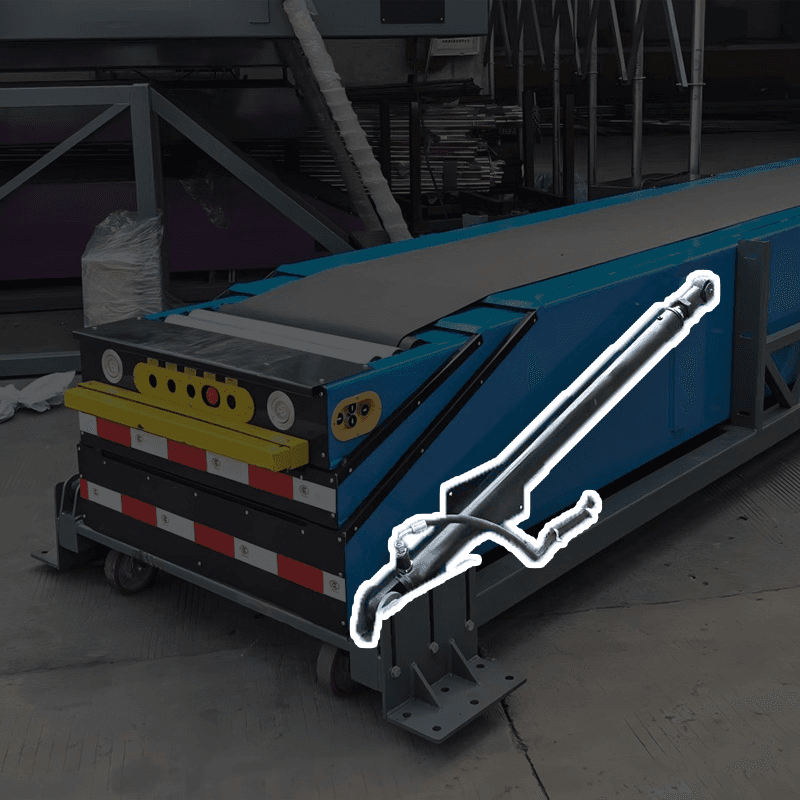
#1 Hydraulic Lifting
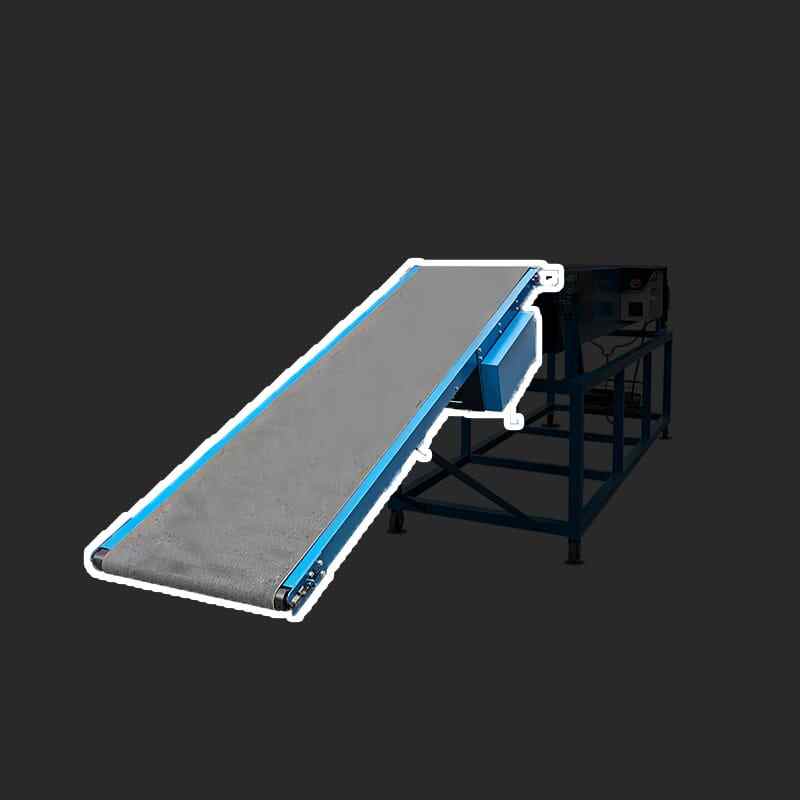
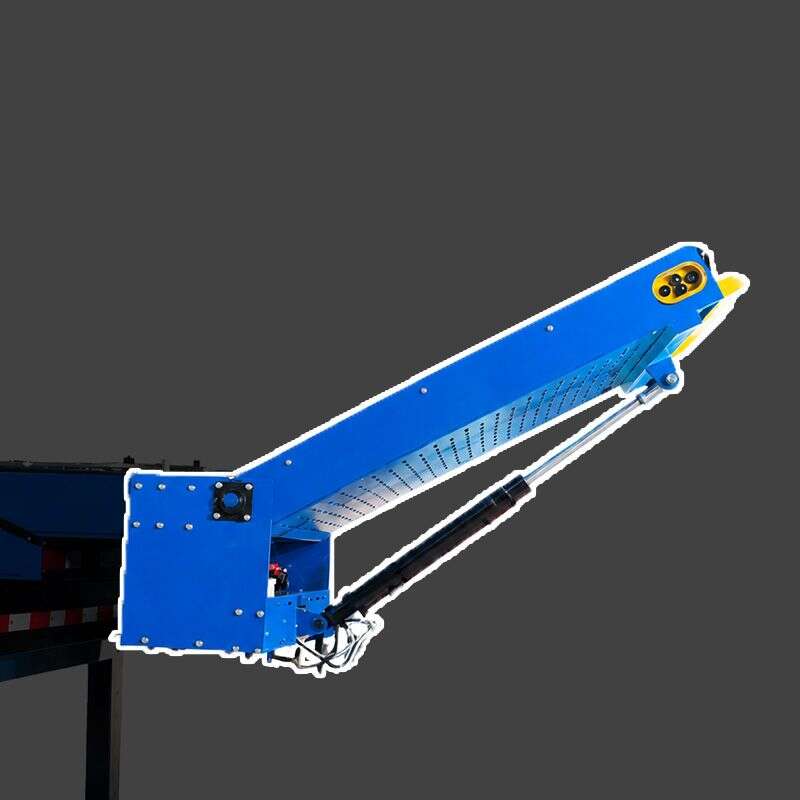
#2 Incline Section
#2 Incline Section
#3 Non-powered Casters
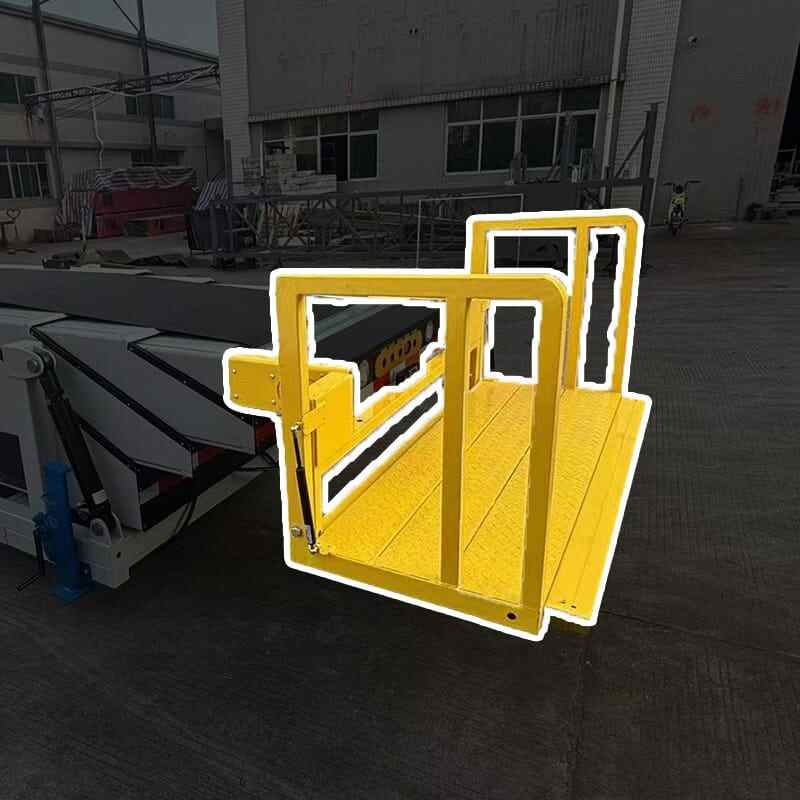
#4 Stand-on Operator Platform
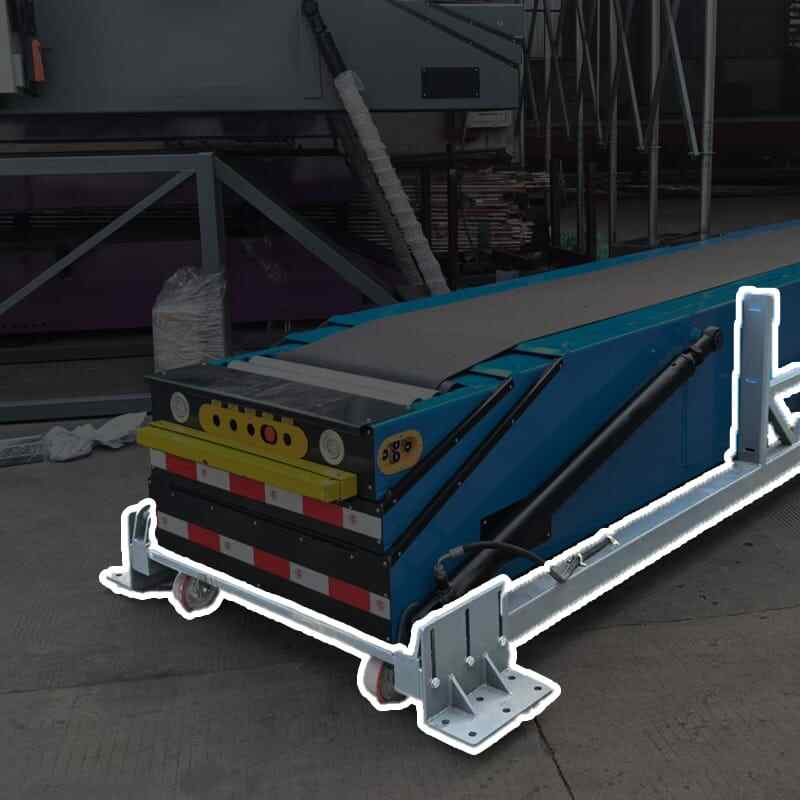
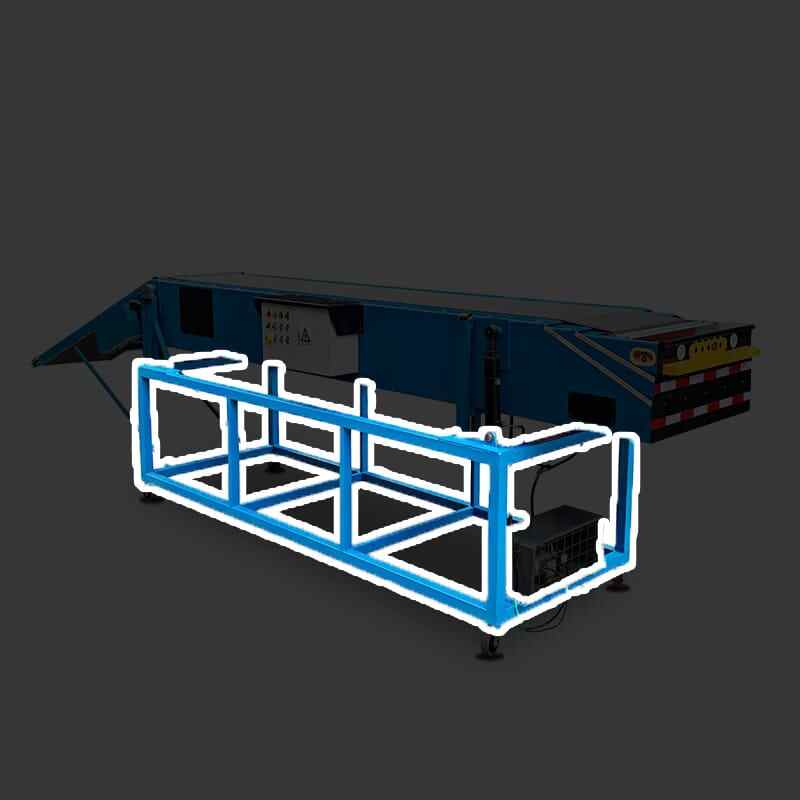
#5 Support Frame
#5 Support Frame
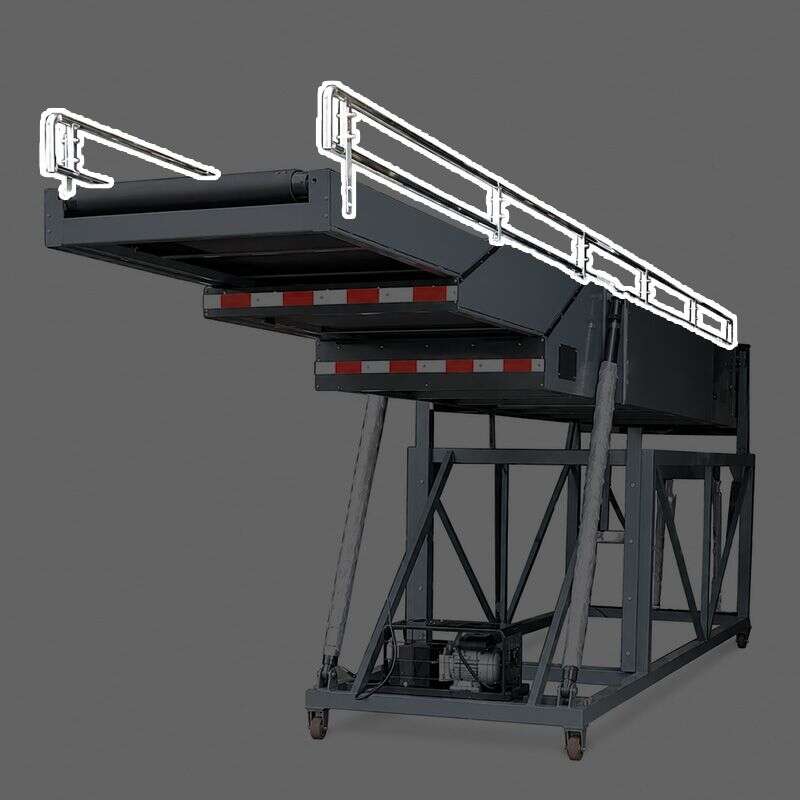
#6 Stainless Steel Guardrails on Both Sides
#7 Hydraulic Swivel Section
No image available
#8 Counterweight
No image available
#9 Hump Structure
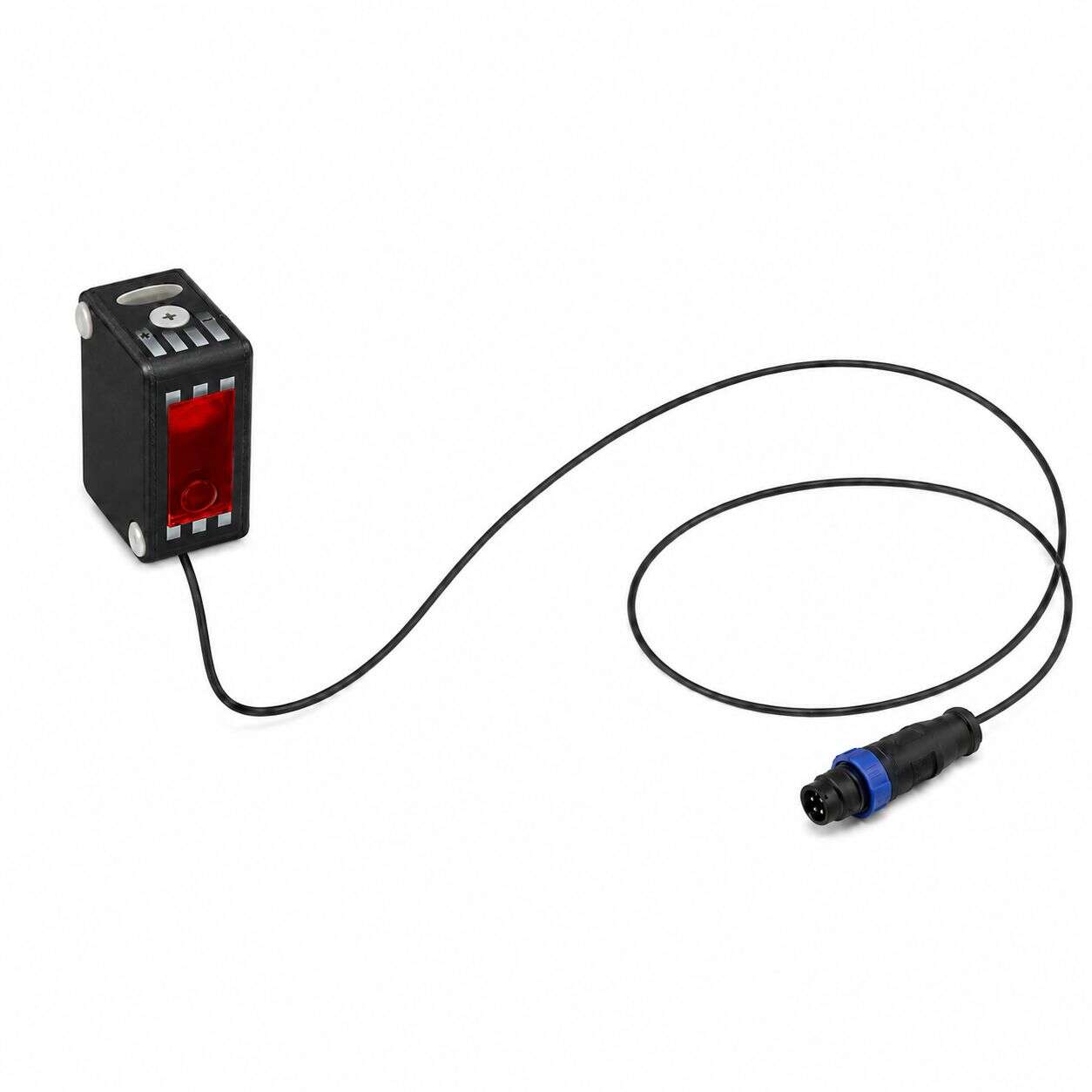
#10 Optical sensor
#10 Optical sensor
Qualifications and Reports

3-Section Telescopic Conveyor Qualifications and Reports

View the certificates, test reports, and patent certificates related to this product for easier verification of qualifications and technical basis.

Certificates

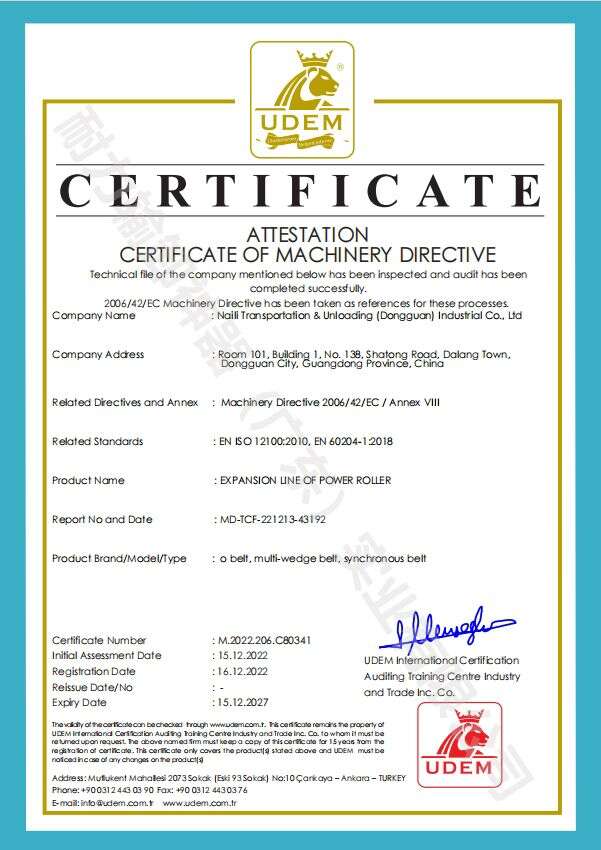
CE Certificate

CE Certificate

PDF
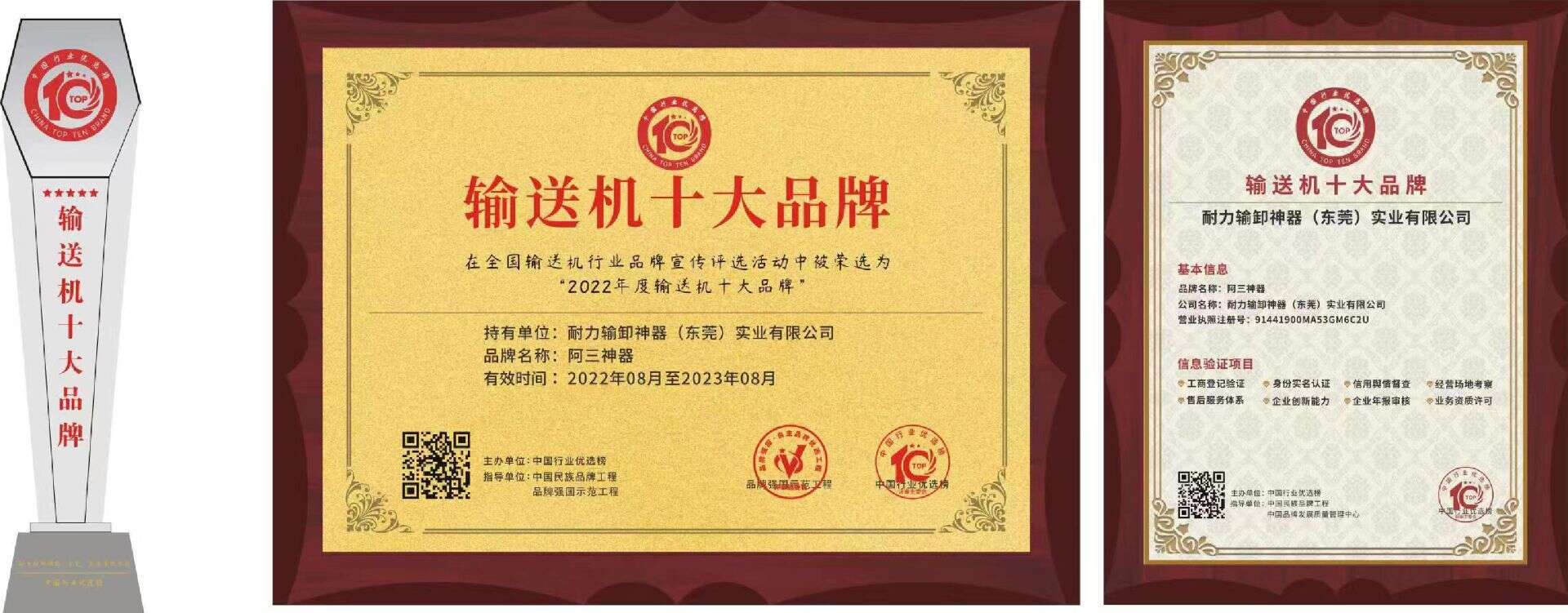
National Conveyor Industry Brand Promotion Selection - Top 10 Conveyor Brands

National Conveyor Industry Brand Promotion Selection - Top 10 Conveyor Brands

PDF
High-Tech Enterprise Certificate

High-Tech Enterprise Certificate

PDF
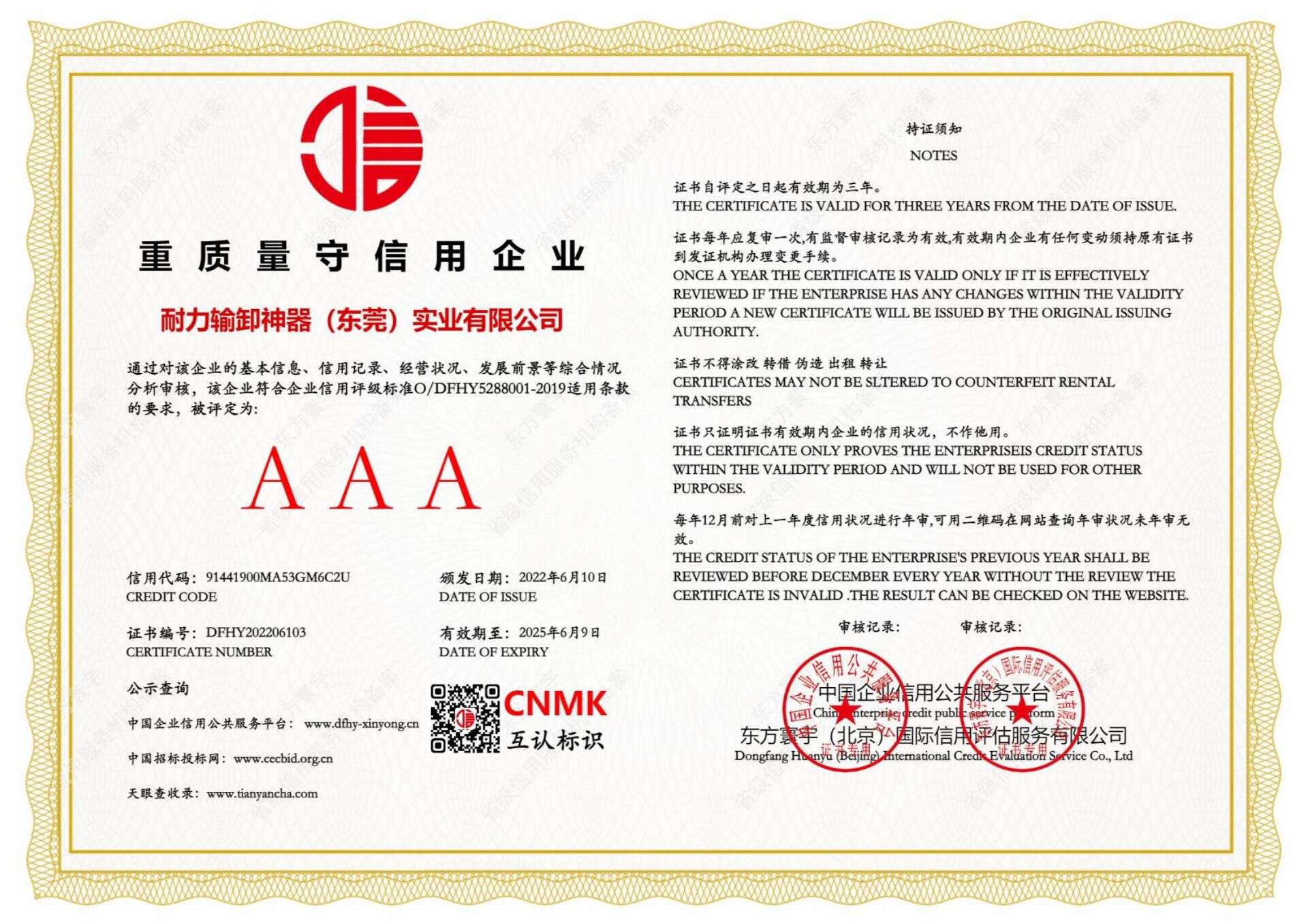
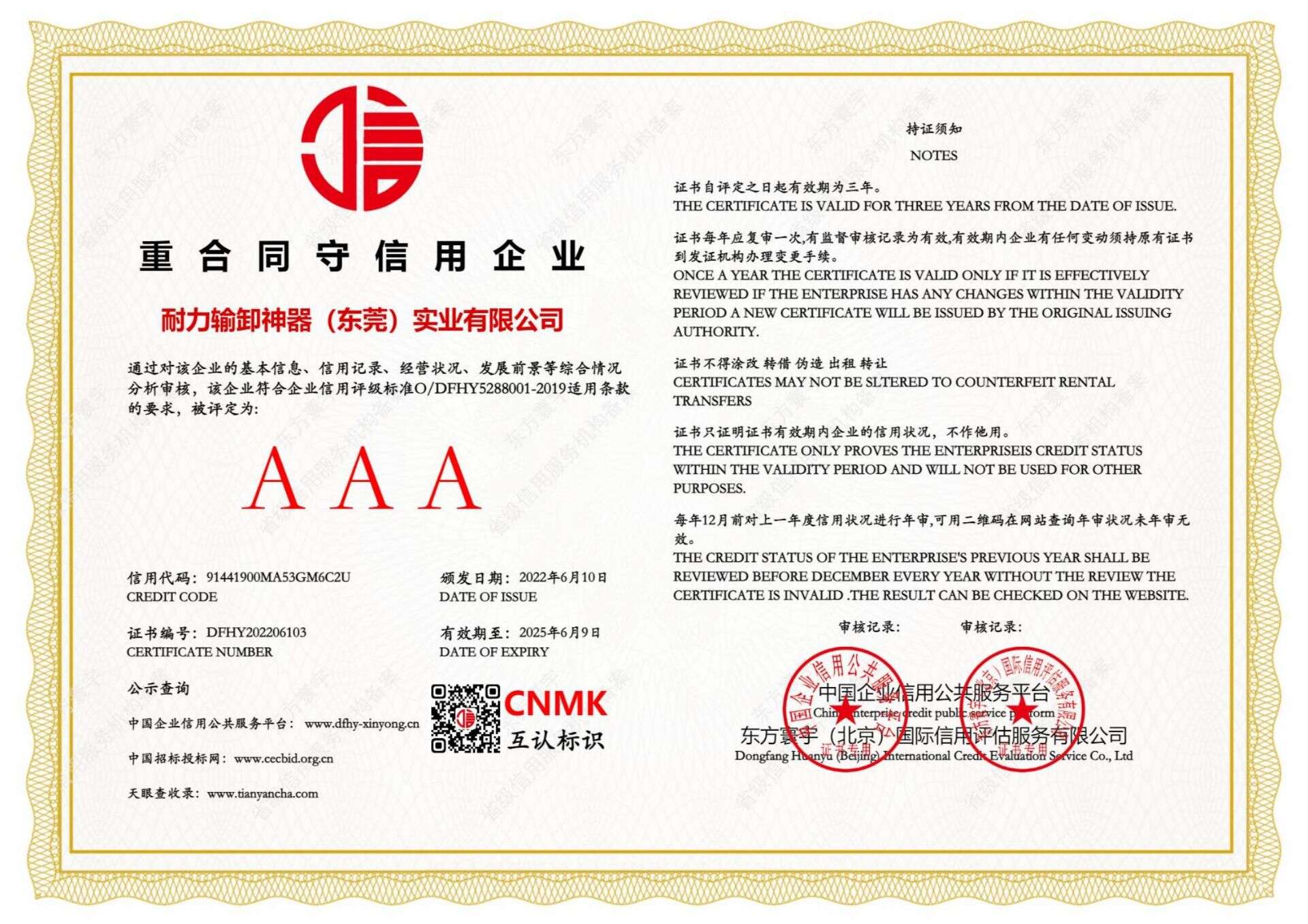
3A Heavy Quality and Credit-Keeping Enterprise

3A Heavy Quality and Credit-Keeping Enterprise

PDF
3A Contract-Honoring and Credit-Keeping Enterprise

3A Contract-Honoring and Credit-Keeping Enterprise

PDF
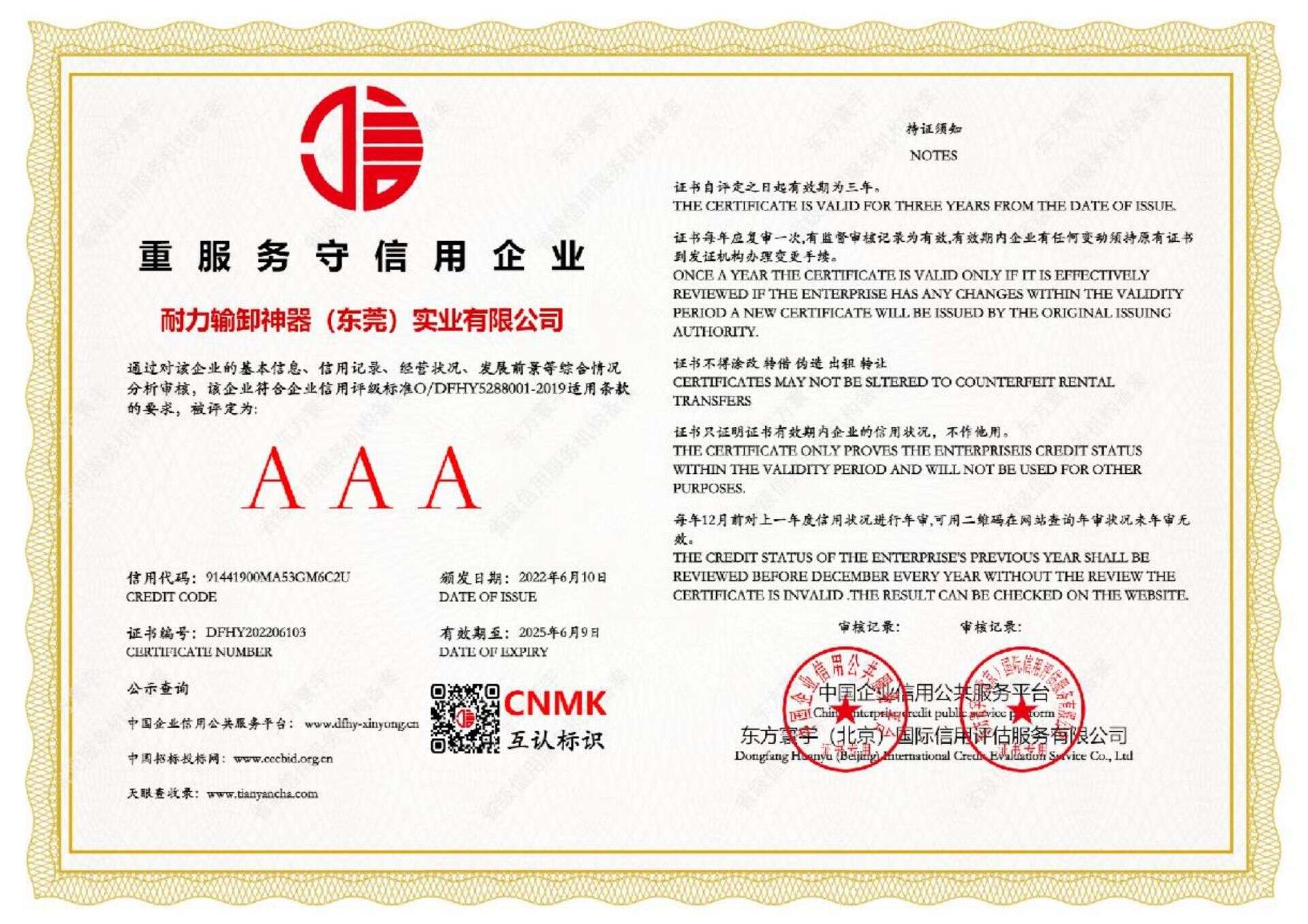
3A Heavy Contract-Honoring and Credit-Keeping Enterprise

3A Heavy Contract-Honoring and Credit-Keeping Enterprise

PDF
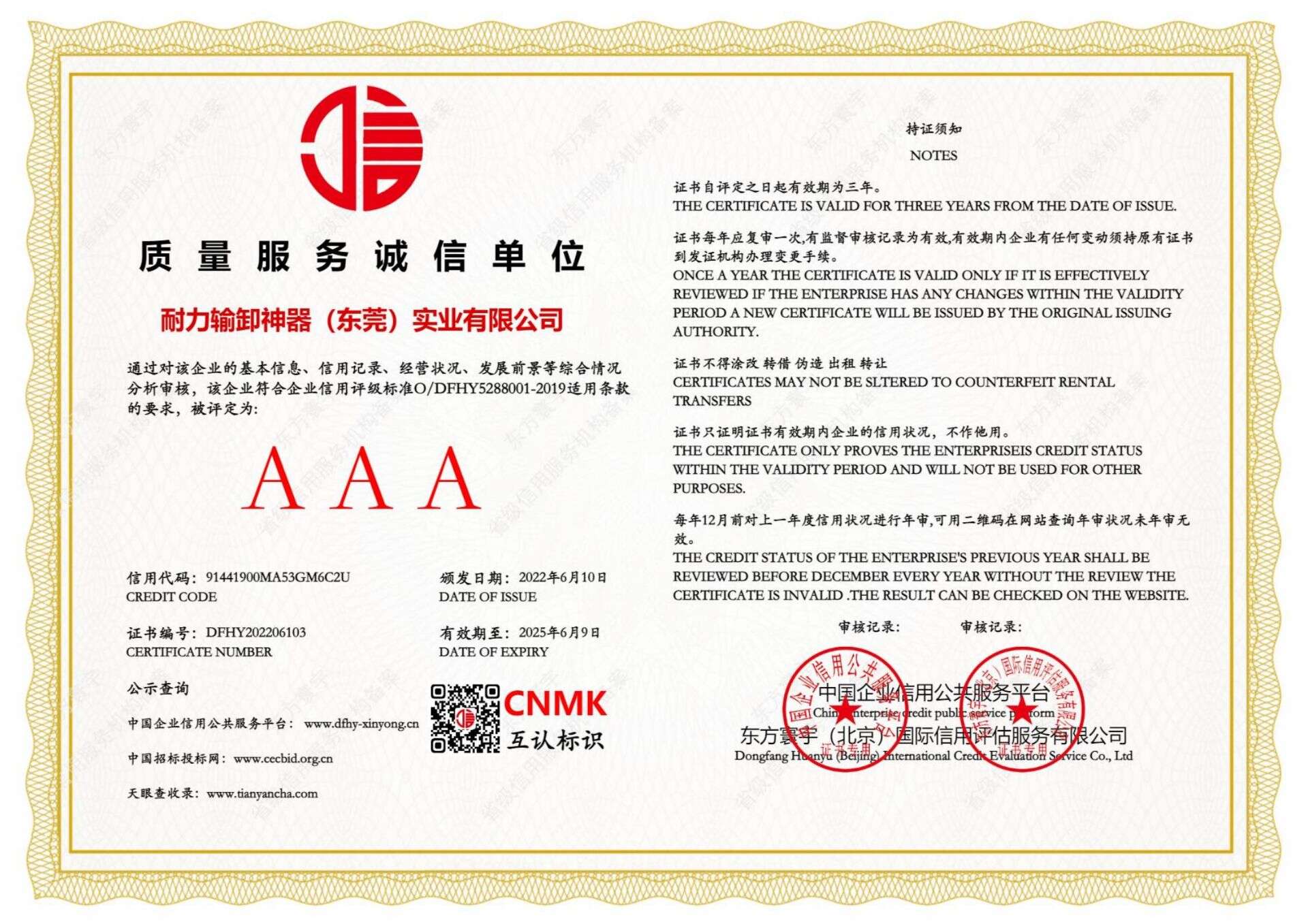
3A Quality Service Integrity Unit

3A Quality Service Integrity Unit

PDF
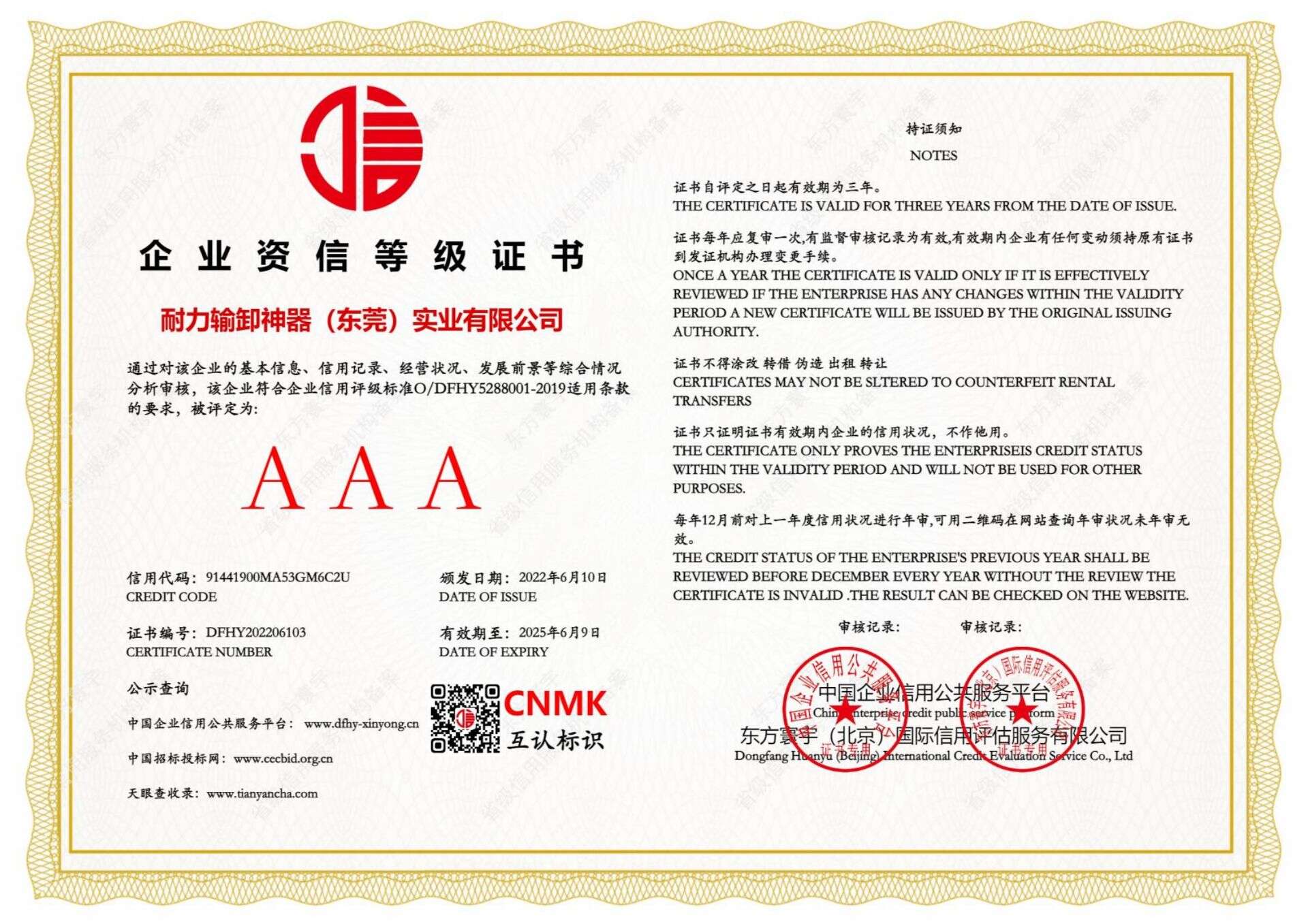
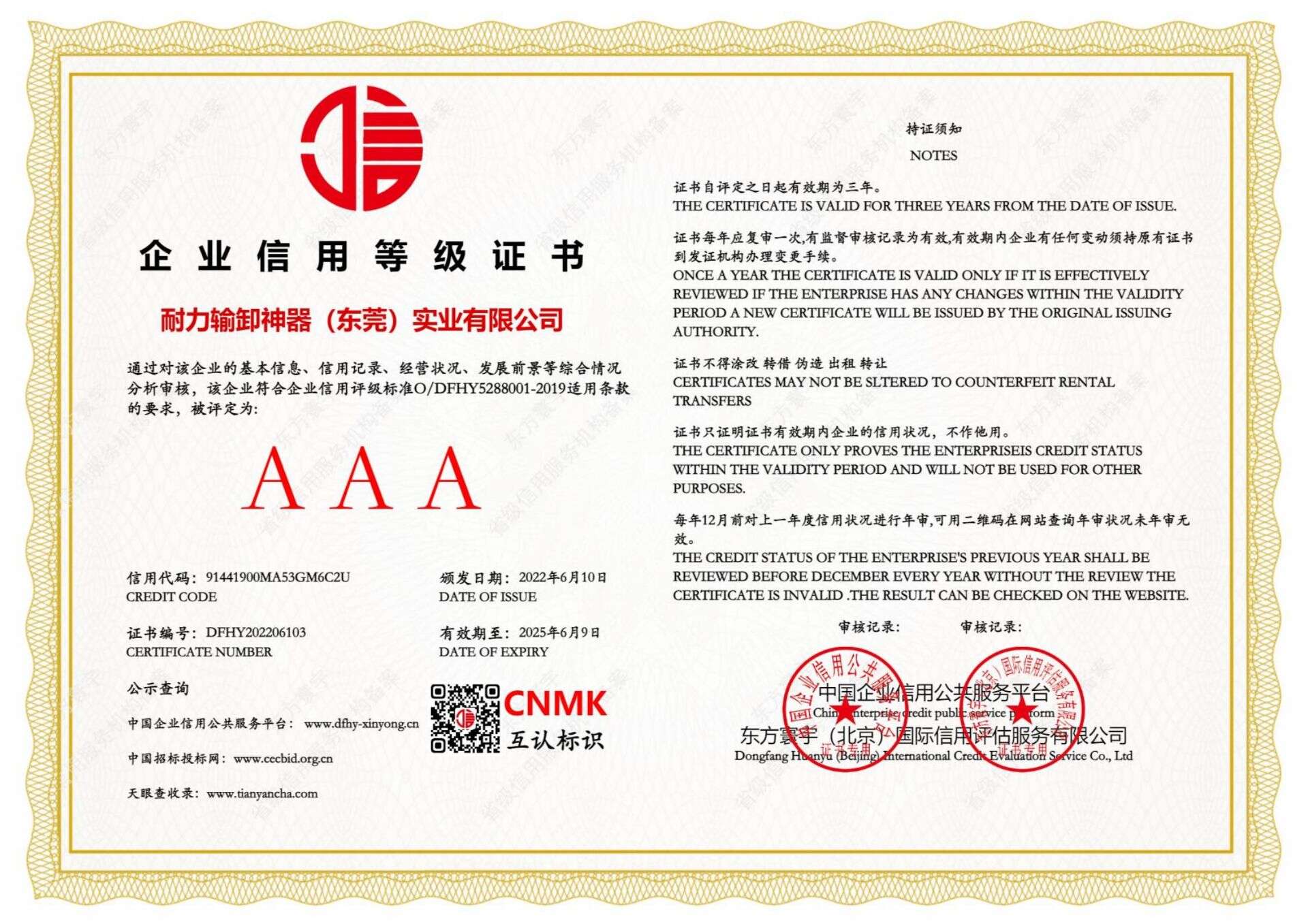
3A Enterprise Credit Rating Certificate

3A Enterprise Credit Rating Certificate

PDF
3A Enterprise Credit Rating Certificate

3A Enterprise Credit Rating Certificate

PDF
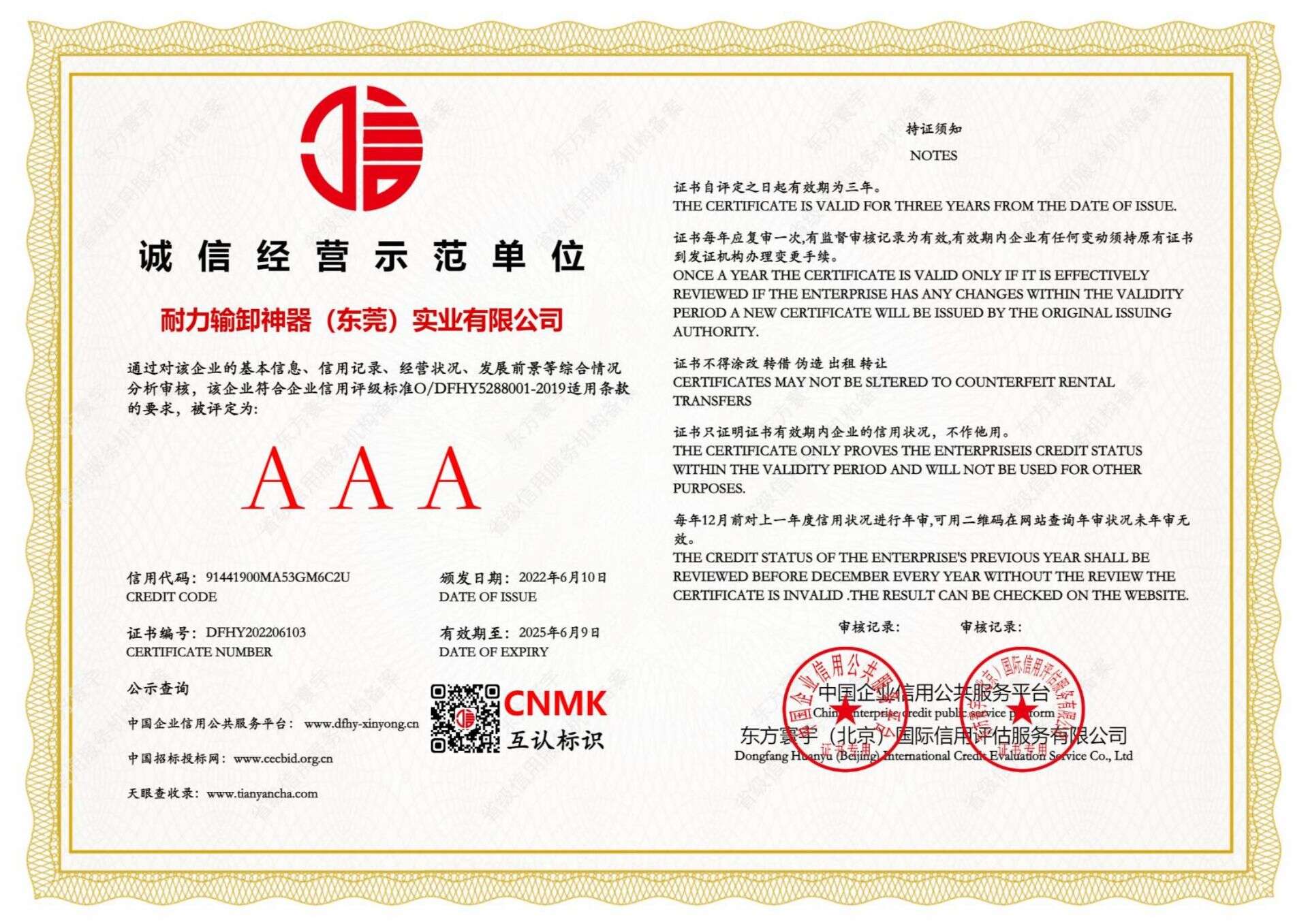
3A Honest Operation Demonstration Unit

3A Honest Operation Demonstration Unit

PDF
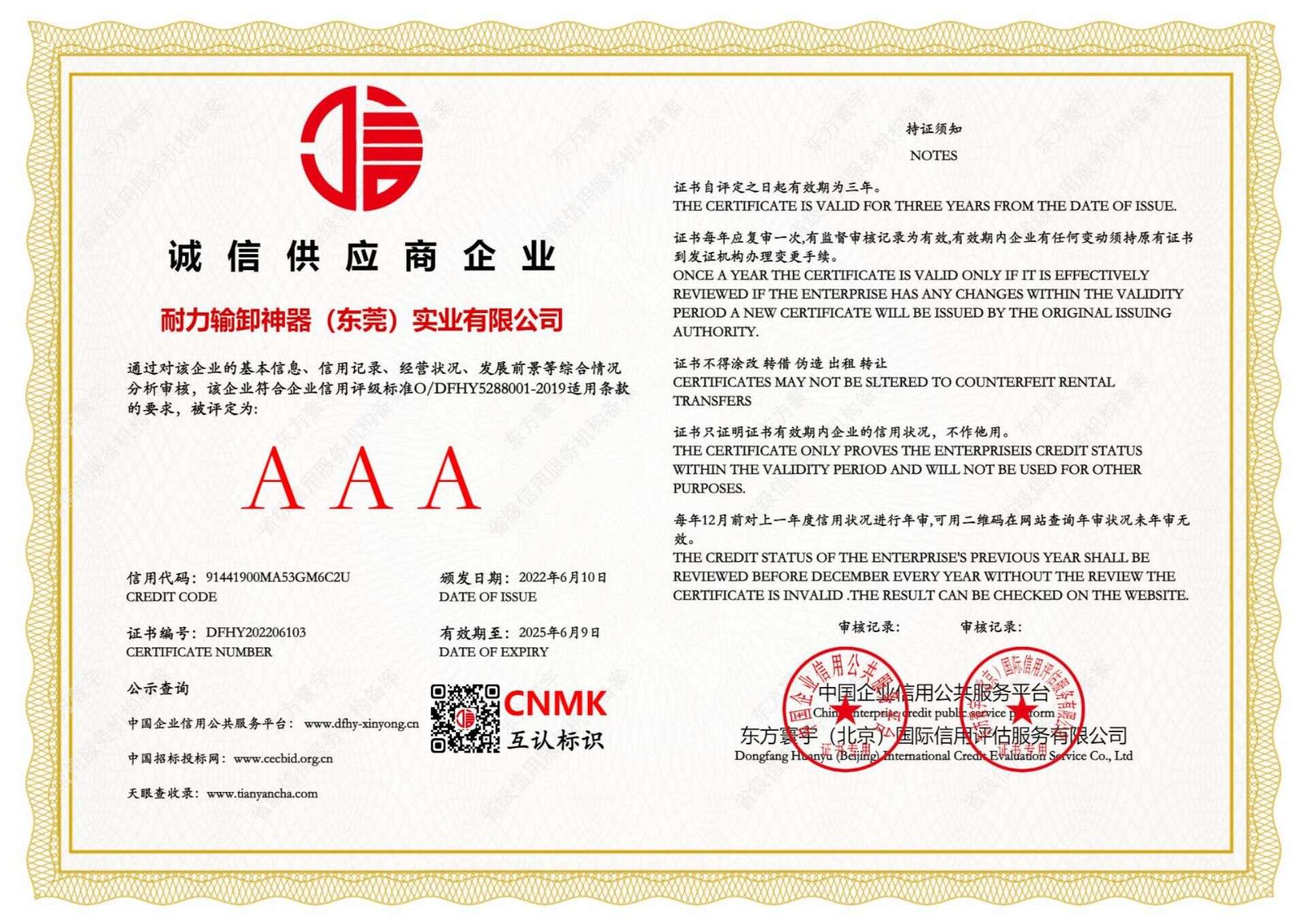
3A Honest Supplier Enterprise

3A Honest Supplier Enterprise

PDF
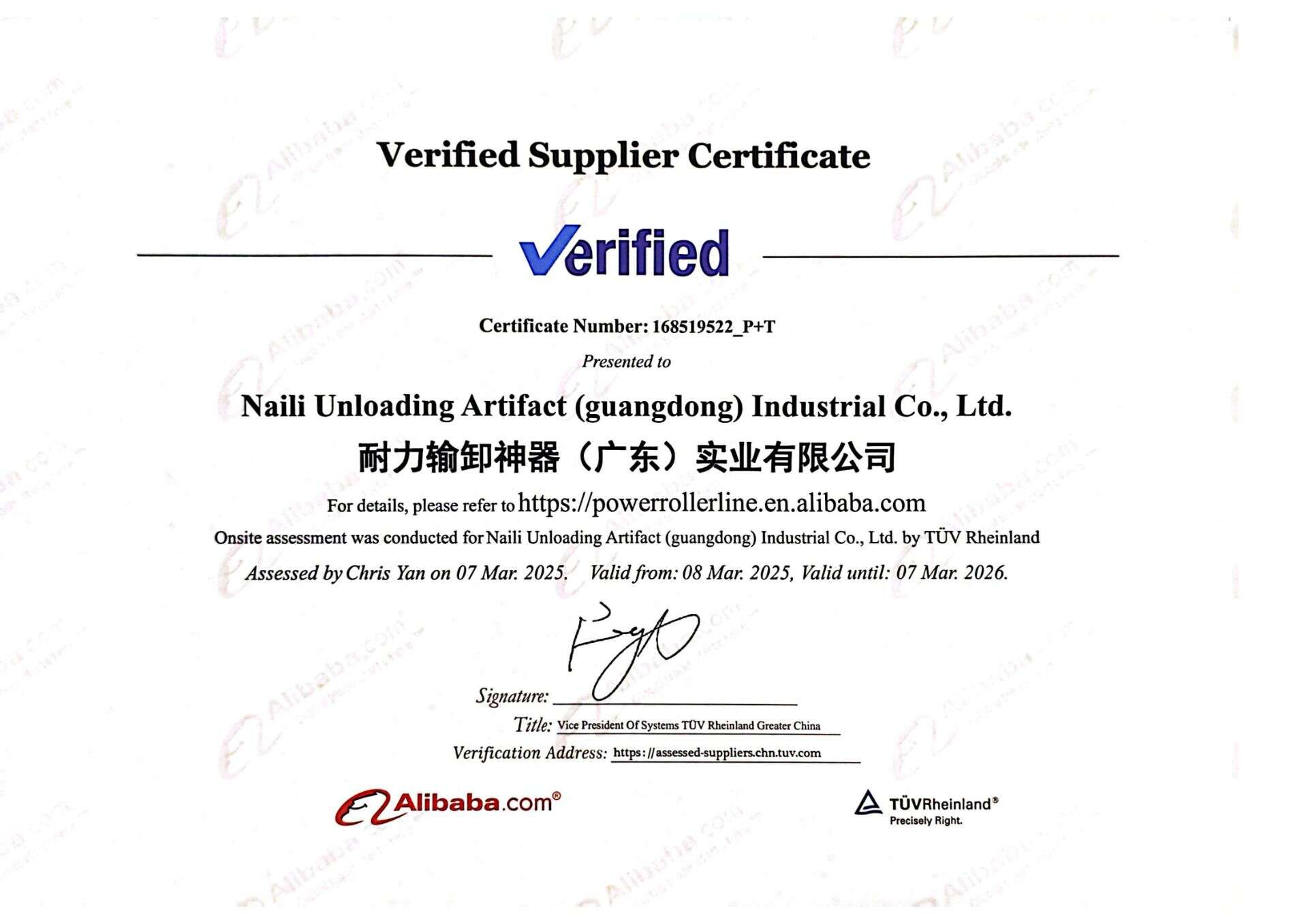
Alibaba Enterprise Certification Certificate

Alibaba Enterprise Certification Certificate

PDF
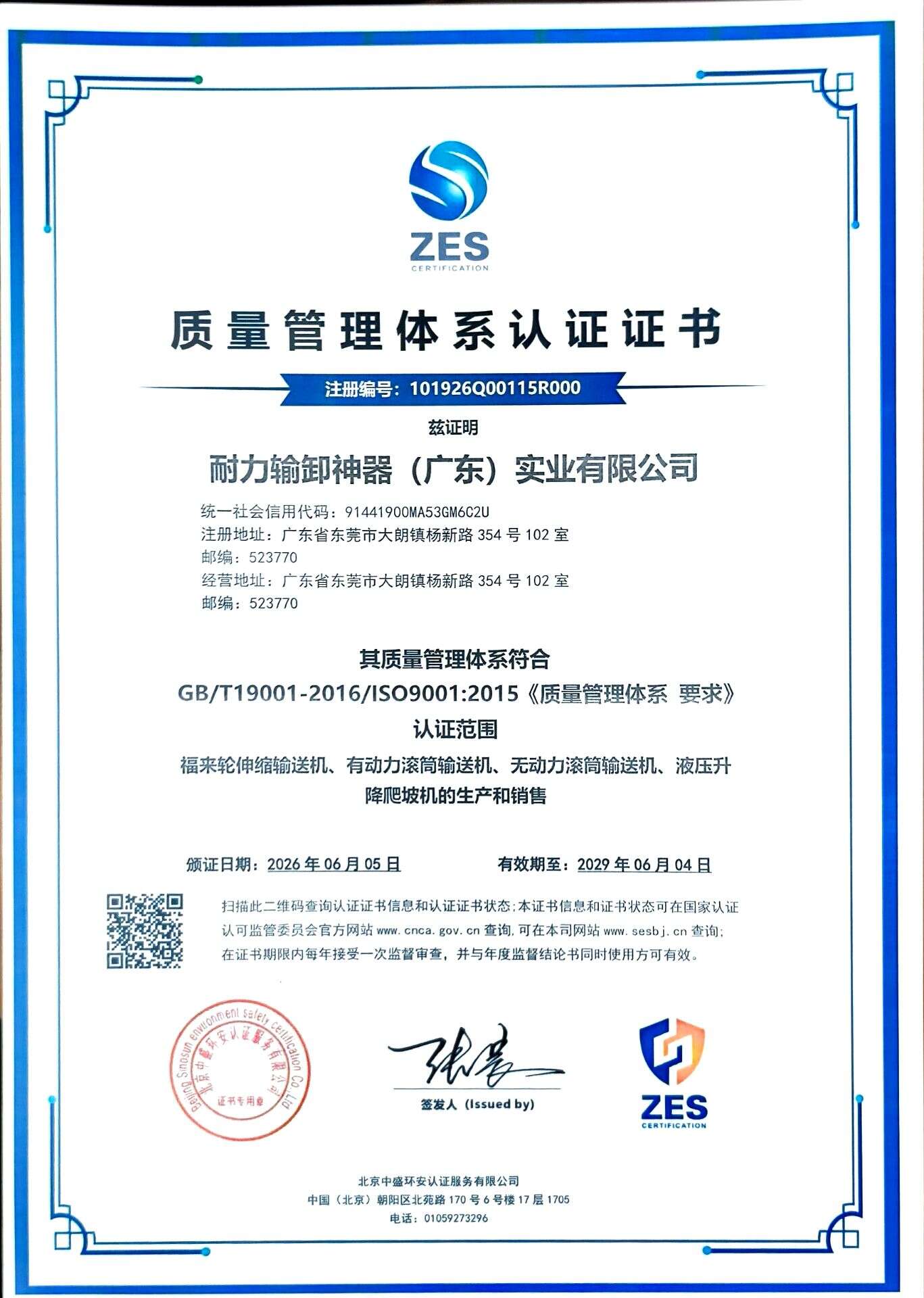
ISO Certificate - Chinese

ISO Certificate - Chinese

PDF
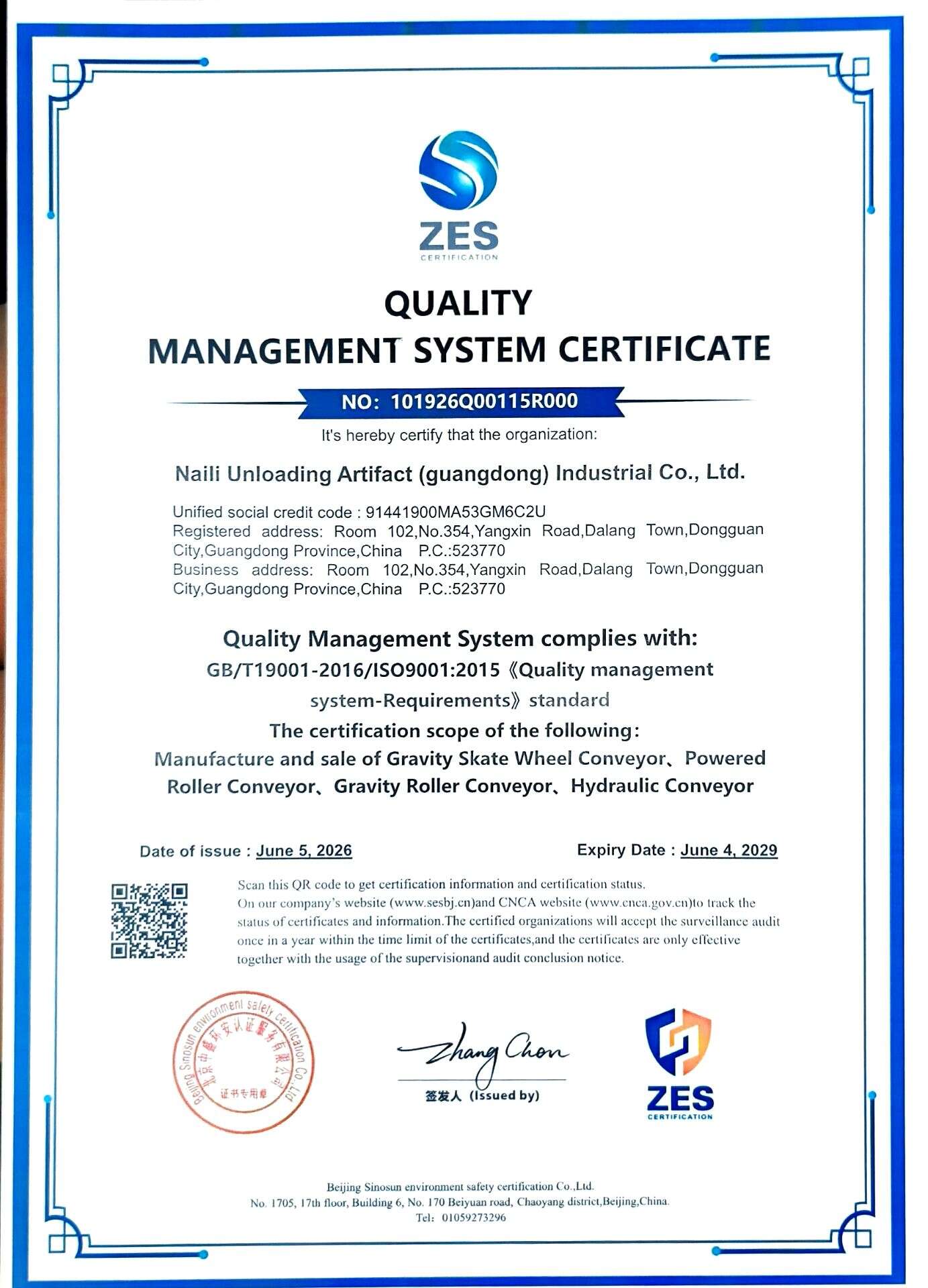
ISO Certificate - English

ISO Certificate - English

PDF
TUV Certificate

TUV Certificate

PDF
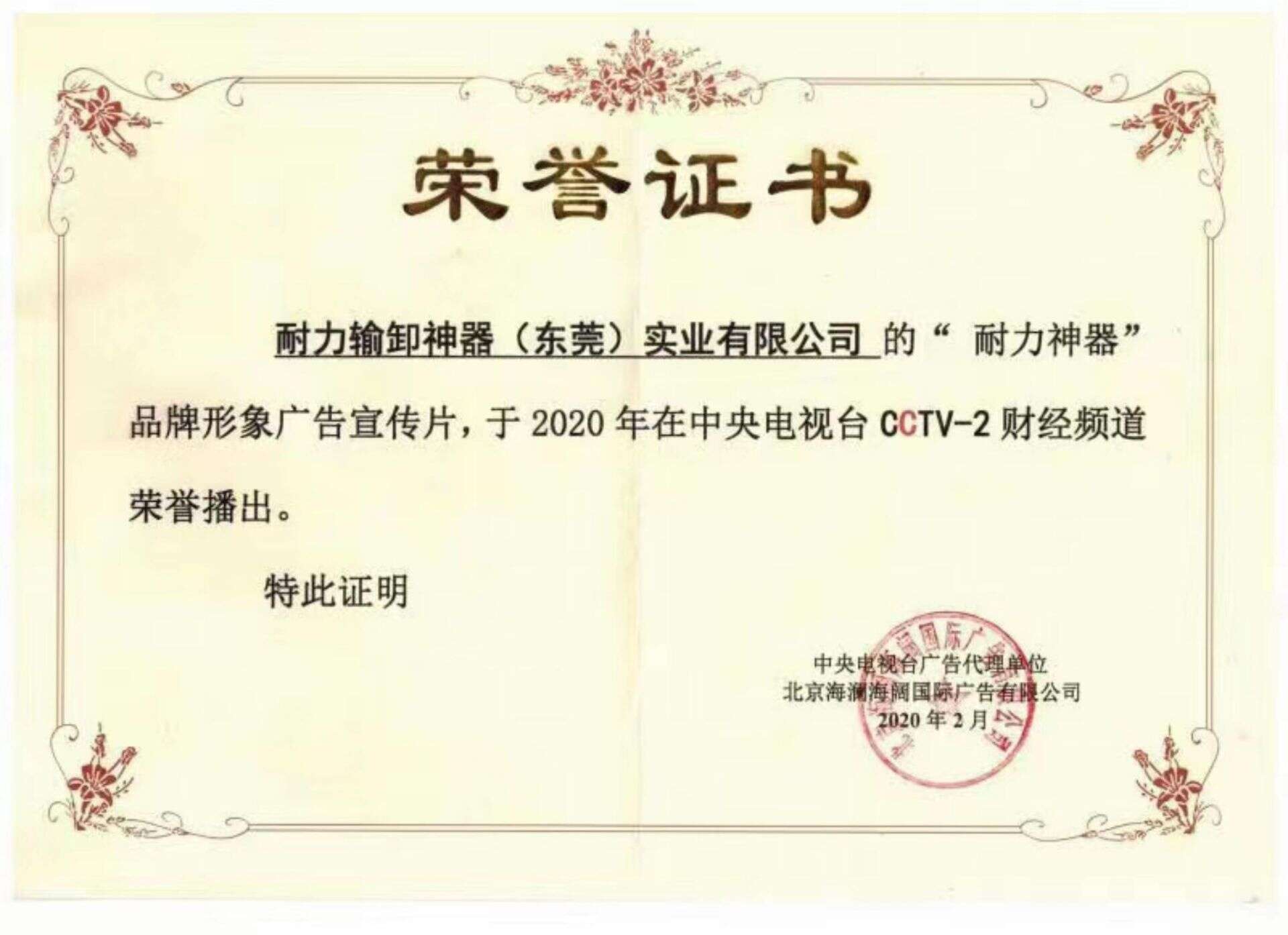
CCTV-2 Finance Channel Broadcast Honor Certificate

CCTV-2 Finance Channel Broadcast Honor Certificate

PDF
Actual Photos & Videos

3-Section Telescopic Conveyor Case Videos

View equipment structure, on-site status, and operational details through galleries and videos.

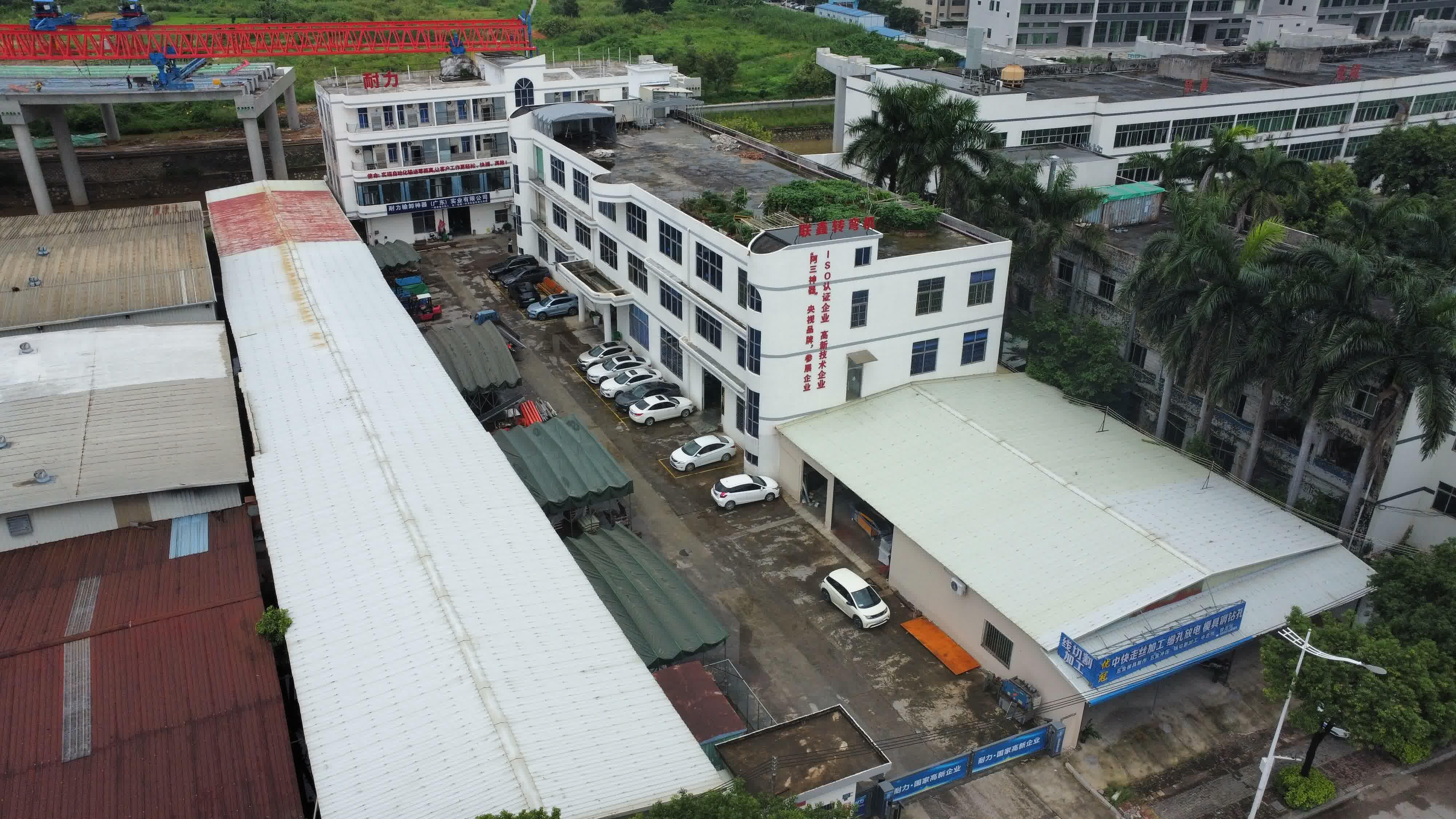
Factory Strength

Learn about production equipment, workshop environment, processing capacity, and quality control through real photos and videos.

工厂图片 1
Image

工厂图片 1

工厂主图
Image

工厂主图

工厂图片 3
Image

工厂图片 3

工厂图片 2
Image

工厂图片 2

工厂图片 4
Image

工厂图片 4

Solutions

3-Section Telescopic Conveyor Recommended Matching Solutions

View published conveyor solutions to learn how this product is configured and combined in loading and unloading scenarios.

3-Section Telescopic Conveyor loading and unloading solution

5 solutions
Specifications

Specifications & Technical Data

View core parameters, structured specifications, and downloadable materials by model.

3-Section Telescopic Conveyor Technical Specifications

ModelBase Length A (mm)Extension Length B (mm)Fully Extended Length C (mm)
TC-5-7-125000700012000
TC-6-8-146000800014000
TC-6-8.5-14.56000850014500
TC-7-9-167000900016000
TC-7-9.5-16.57000950016500

Conveyor Knowledge

Large Truck Loading and Unloading Large Hydraulic Conveyor + Roller Line

The Large Hydraulic Conveyor is configured with 9 sections of rubber-covered Multi-Wedge Belt Powered Roller Conveyor to achieve a total coverage length of 10 meters, suitable for loading and unloading operations with 9.6m and 13m truck beds. The rubber-covered design provides anti-slip performance, the lower platform height is adjustable, and compared with medium-sized equipment, the load capacity is significantly improved, effectively increasing the loading and unloading efficiency of 50kg bagged goods.
Large Truck Loading and Unloading Large Hydraulic Conveyor + Roller Line
Publish Date: 2026-03-23

In large cargo compartment loading and unloading, traditional manual handling faces low efficiency and high labor intensity. The combination of a heavy-duty incline conveyor with a 9-section rubber-coated multi-wedge belt driven roller conveyor provides a mechanized solution for 9.6-meter and 13-meter compartments. By extending the conveying distance and improving load capacity, this configuration greatly enhances the handling efficiency of heavy items such as 50kg bagged goods.

Configuration features of the heavy-duty incline conveyor paired with a 9-section rubber-coated multi-wedge belt driven roller conveyor

Analysis of the equipment combination structure

The combination of the heavy-duty incline conveyor and the 9-section rubber-coated multi-wedge belt driven roller conveyor adopts a modular design. With each section measuring 1.1 meters, the fully extended roller conveyor reaches a total coverage length of 10 meters. This setup can extend directly to the front of a 9.6-meter compartment, providing sufficient operational space for loading and unloading.
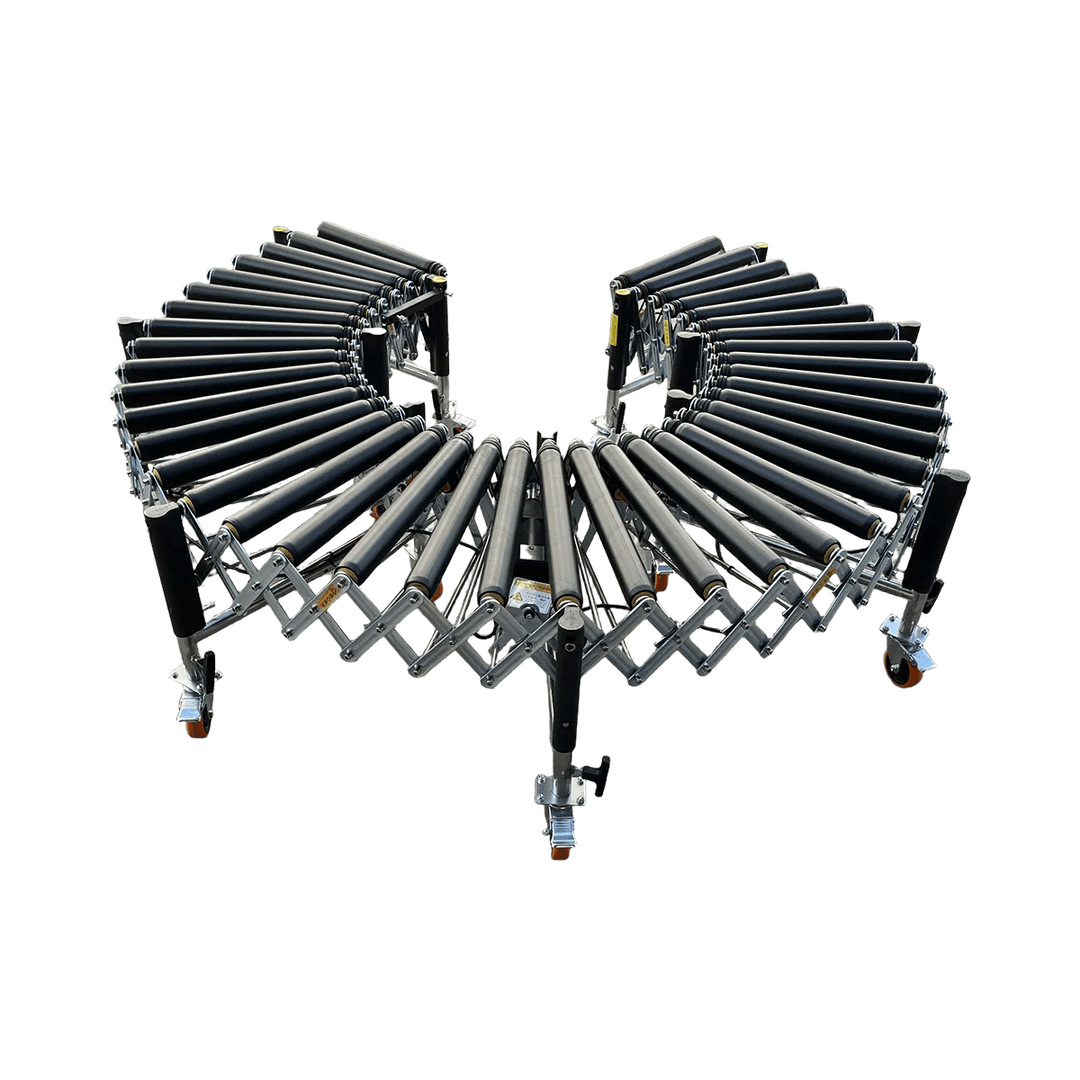
Multi-Wedge Belt Powered Rubber-Covered Roller Conveyor

Multi-Wedge Belt Powered Rubber-Covered Roller Conveyor

The multi-wedge-belt Powered Rubber-Covered Roller Conveyor is specifically designed for the smooth conveying of bagged goods. It uses multi-wedge-bel…

The rubber-coated multi-wedge belt driven roller conveyor uses a multi-wedge belt drive system, offering smoother operation compared to chain drives. The rubber coating on the roller surface not only provides good friction but also protects the cargo surface from scratches. The support structure of the heavy-duty incline conveyor is reinforced to withstand higher loads and continuous operation.

Load capacity and conveying distance advantages

The heavy-duty incline conveyor significantly improves load capacity over medium-duty models. The lower platform uses a manual adjustment mechanism that can be precisely set to match the height of different compartments, ensuring the conveyor meets the compartment floor at an appropriate angle. This design allows the equipment to adapt to trucks of various specifications, enhancing versatility.
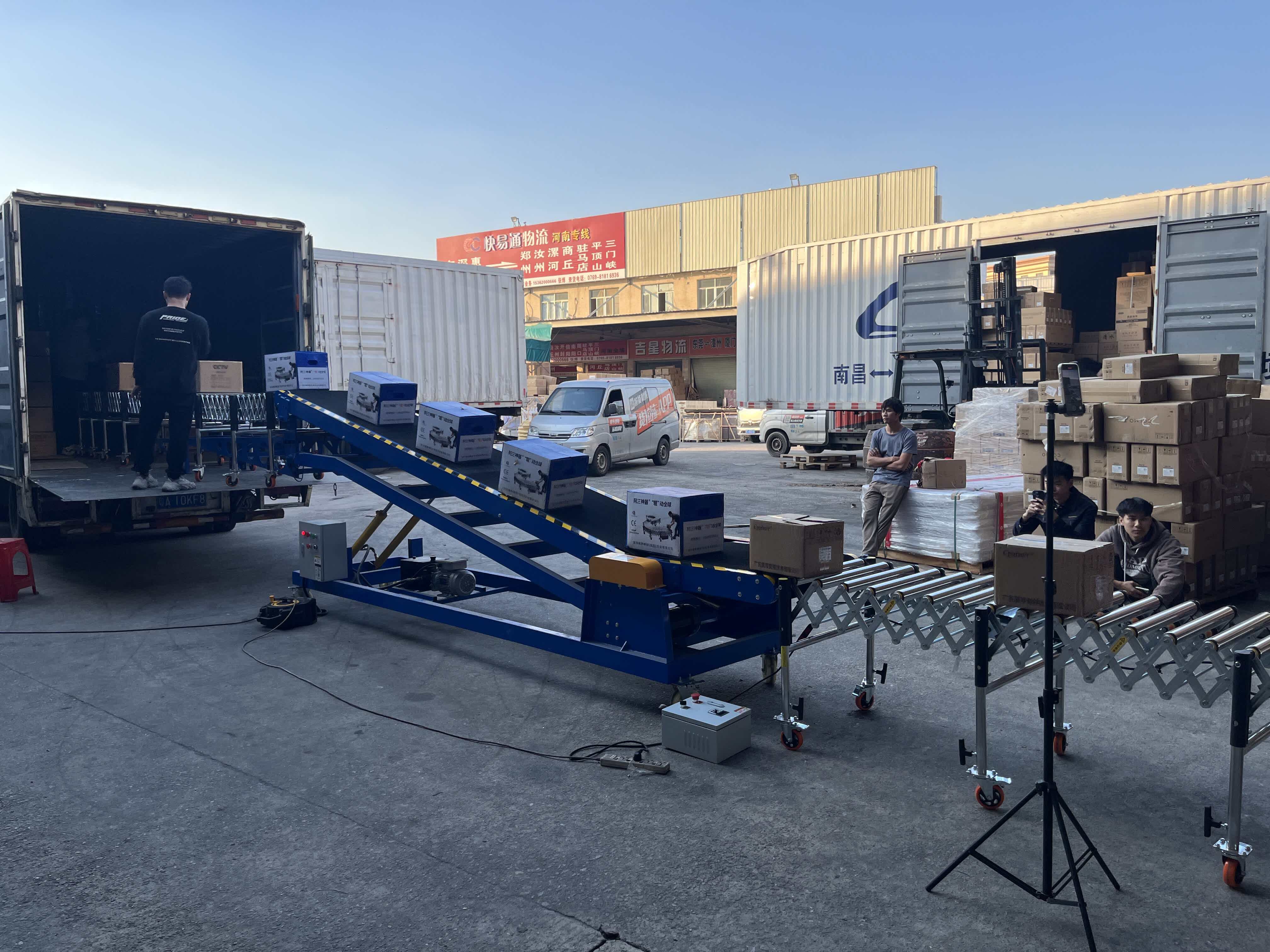
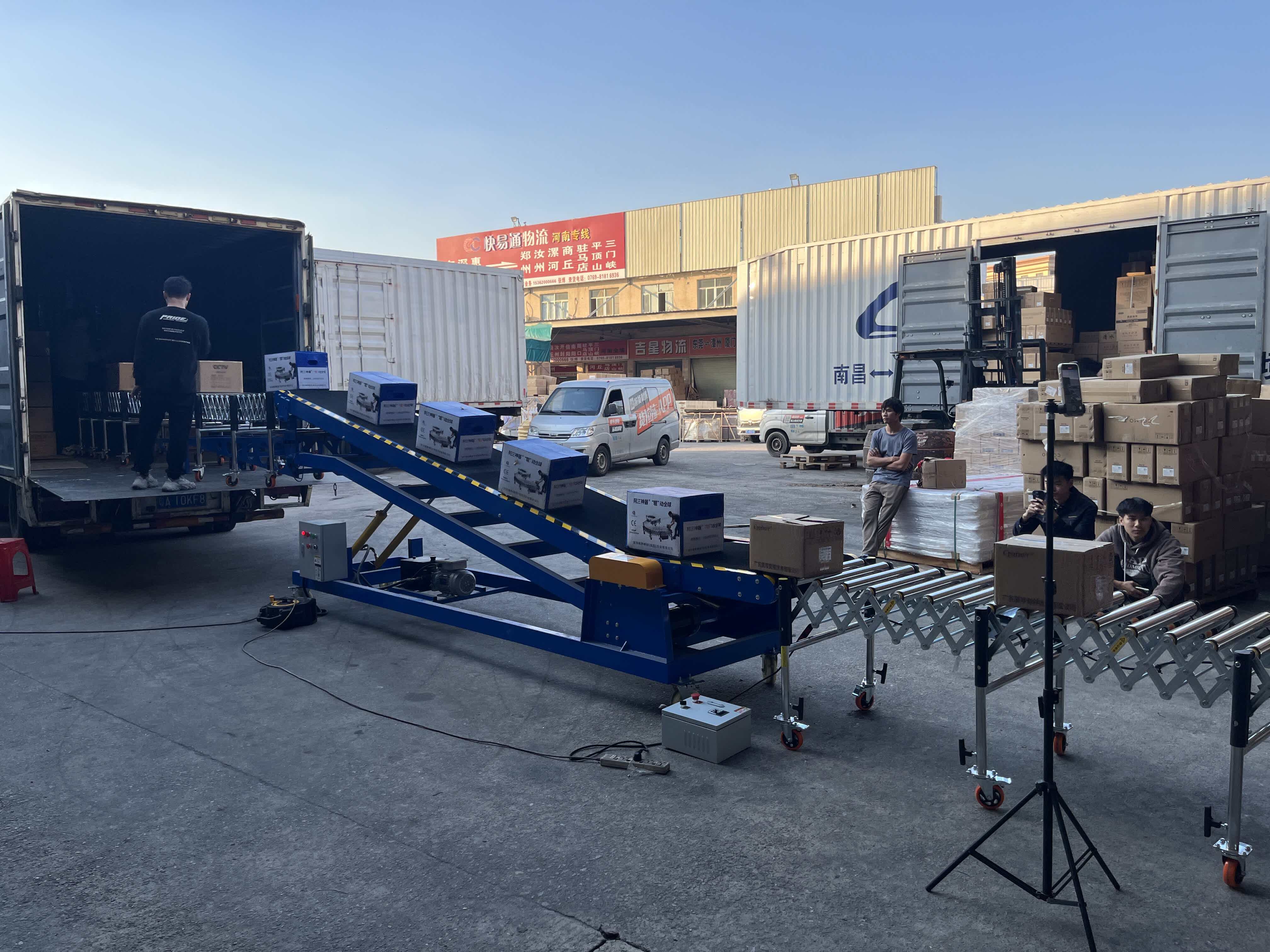
Medium-duty incline conveyor + roller conveyor cargo handling

The 9-section roller configuration provides a total coverage length of 10 meters, satisfying the loading and unloading requirements of 9.6-meter compartments while also delivering effective coverage for 13-meter compartments. The rubber coating improves grip and significantly enhances anti-slip performance, especially when handling bags with smooth surfaces.

Compatibility analysis for loading and unloading 9.6-meter and 13-meter compartments

Loading and unloading requirements for different compartment sizes

The 9.6-meter compartment, as the standard configuration for medium-sized freight vehicles, typically requires the conveyor to cover more than 80% of the compartment length. The heavy-duty incline conveyor paired with the 9-section roller conveyor fully meets this demand, and the 10-meter coverage can even reach the front of the compartment, reducing the manual transport distance.

For 13-meter compartments, even though the compartment length exceeds the conveyor coverage, the effective conveying distance of 10 meters still covers 77% of the compartment length, greatly reducing the area requiring manual handling. In actual operations, operators only need to perform short-distance manual transfers at the front of the compartment.

Equipment configuration and compartment matching plan

The height adjustment function of the lower platform on the heavy-duty incline conveyor is key to matching the compartment. With the manual adjustment mechanism, the platform height can be set to align with the compartment floor, ensuring smooth transfer of cargo from the compartment to the conveyor. This adjustability allows one set of equipment to work with compartments at varying heights.
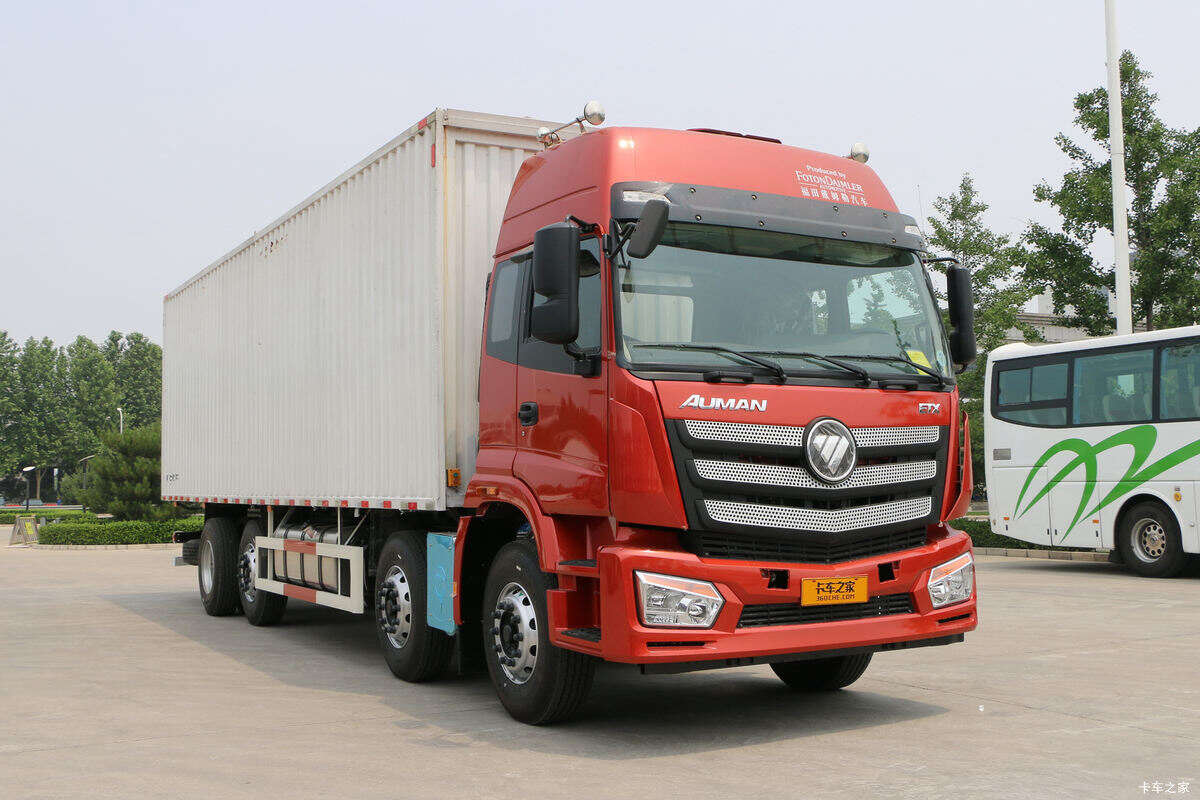
9.6-meter truck
9.6-meter truck

The solution for adjusting compartment height differences relies mainly on the incline angle and platform height adjustment of the incline conveyor. For standard trucks, the platform height is typically set between 1.2 and 1.5 meters, while for low-chassis vehicles it can be lowered further. Efficient use of loading and unloading space is achieved through reasonable equipment layout and operational workflow design.

50kg bagged cargo handling practice

Characteristics and handling requirements of bagged cargo

50kg bagged cargo plays an important role in logistics, commonly found in industries such as grain, chemical raw materials, and building materials. These items are characterized by heavy single-piece weight, irregular shapes, and varying surface materials. Stability on the roller conveyor mainly depends on the bag material and the friction coefficient of the roller surface.

The rubber-coated surface protects bagged cargo in several ways. First, the elasticity of the coating cushions the contact impact between the cargo and the roller, reducing abrasion to the packaging. Second, the textured surface of the coating provides appropriate friction to prevent the cargo from shifting during conveying.

Key cooperation points for manual operation

During the handling of 50kg bagged cargo, coordinated manual operation is essential. Operators need to master proper placement techniques to ensure the bags remain stable on the rollers. In general, the cargo should lie flat on the rollers, avoiding suspended or tilted placement.

Medium-duty incline conveyor + roller conveyor efficiency video

Balancing loading and unloading efficiency with safety requires standardized procedures. Operators should control conveyor speed to prevent instability caused by excessive velocity. At cargo transfer points, install buffer zones to ensure smooth transitions. For heavy cargo, it is recommended to operate with two people for enhanced safety.

Application advantages of the heavy-duty configuration compared to conventional medium-duty incline conveyors

Load capacity comparison analysis

The support structure of the heavy-duty equipment uses thicker steel and a denser reinforcement rib design, capable of bearing greater static and dynamic loads. During continuous operation, the heavy-duty model delivers superior stability and durability.

The 9-section roller configuration offers a clear advantage in conveying distance compared to the 6-section setup. While a 6-section layout usually provides only 6.6 meters of coverage, the 9-section version reaches 10 meters, increasing the coverage area by 51%. This distance advantage is especially important for loading large compartments, significantly reducing manual labor.
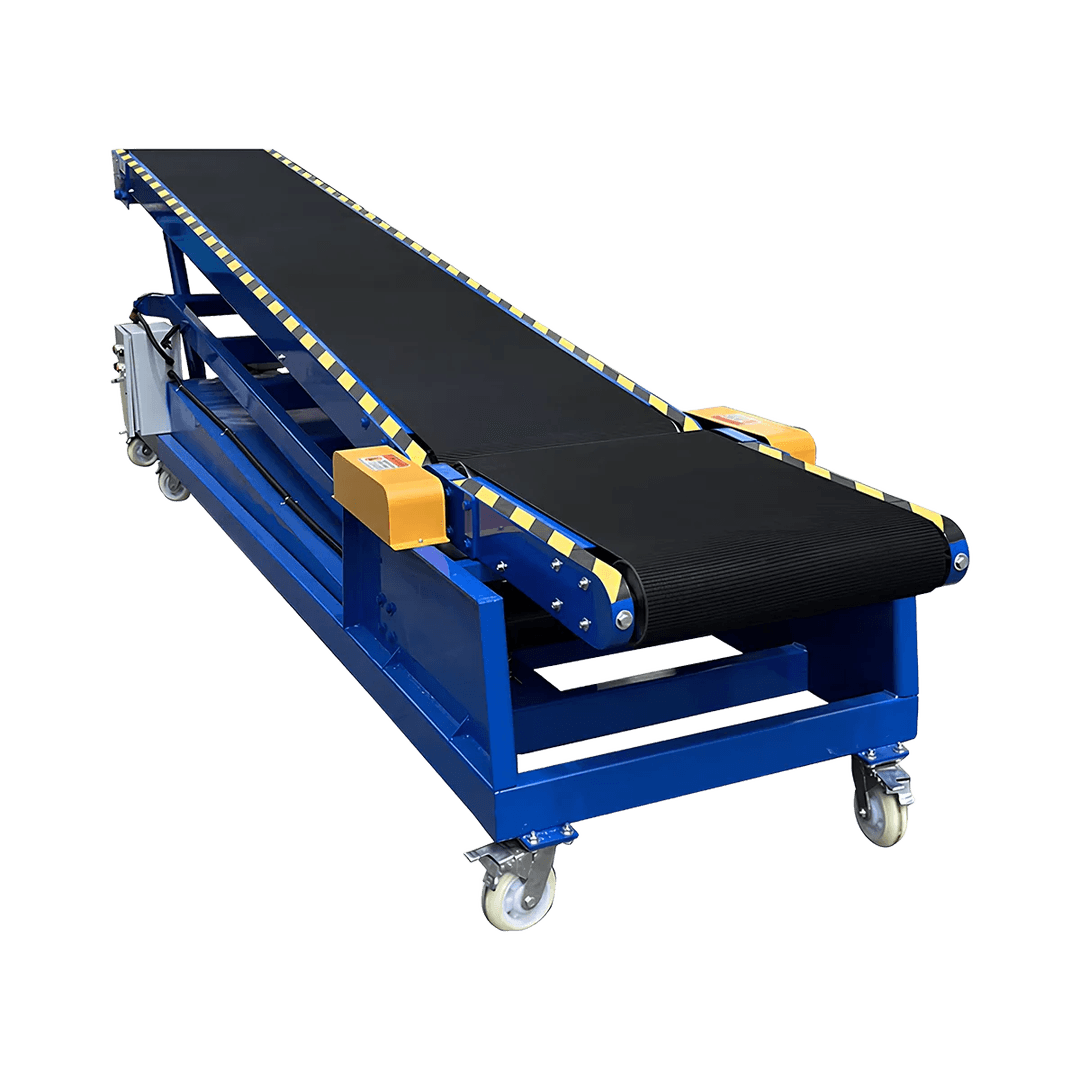
Hydraulic Conveyor Series

Hydraulic Conveyor Series

The hydraulic lifting conveyor is designed specifically for warehouses, factories, and logistics sites without loading docks. It enables smooth and sa…

Operational efficiency improvement effects

The stability of the heavy-duty equipment during continuous operation is reflected in multiple aspects. Stronger structural strength reduces deformation and vibration under heavy loads. Additionally, the heavy-duty motor and drive system provide a steadier conveying speed, minimizing fluctuations caused by load variations.

Efficiency gains in large-volume cargo handling mainly come from reducing manual transport distance and improving conveying continuity. When handling 50kg bagged cargo, the heavy-duty configuration can cut manual transport distance from 9.6 meters to less than 3 meters, increasing efficiency by about 70%. Analysis of equipment return on investment and operational costs shows that although the heavy-duty configuration requires a higher initial investment, its efficiency advantages quickly recoup the costs in high-volume, frequent loading operations.

Frequently asked questions

Q: Which compartment specifications suit the heavy-duty incline conveyor equipped with a 9-section roller conveyor?
A: It is primarily suitable for 9.6-meter and 13-meter compartments. The 10-meter coverage fully meets the requirements of a 9.6-meter compartment and provides 77% effective coverage for a 13-meter compartment, significantly reducing manual handling distance.

Q: What protection does the rubber-coated roller offer cargo?
A: The rubber-coated surface has excellent elasticity and friction performance, cushioning the contact impact between cargo and roller, preventing packaging abrasion, and providing sufficient grip to stop cargo from slipping—ideal for bagged goods.

Q: What advantages does the heavy-duty configuration have over medium-duty equipment?
A: The heavy-duty configuration offers significant improvements in load capacity, structural stability, and conveying distance. The 9-section roller increases coverage by 51% compared to the 6-section model, and the reinforced structure ensures stability during continuous operation.

Q: What should be noted when handling 50kg bagged cargo?
A: Manual coordination is needed to ensure the cargo lies steadily on the rollers, control the appropriate conveying speed, and set up buffer zones at transfer points. Heavy cargo should ideally be handled by two people to ensure safety.

Q: What is the height adjustment range of the equipment?
A: The lower platform uses a manual adjustment mechanism, typically ranging from 1.2 to 1.5 meters, allowing it to meet the height needs of different compartments and ensuring the conveyor aligns properly with the compartment floor.

Contact Sales Manager

Contact Person Mr. Chen (Jim Chen)Sales Manager

WeChat
18028941262
WhatsApp
+86 18028941262
Phone
+86 18028941262
Email
jim@naili.ltd
Brand Name
Naili Conveyor | Naili Unloading
Company Name
Naili Unloading Artifact (Guangdong) Industrial Co., Ltd. (Naili Unloading Artifact (Guangdong) Industrial Co., Ltd.)

Factory Strength

Learn about production equipment, workshop environment, processing capacity, and quality control through real photos and videos.
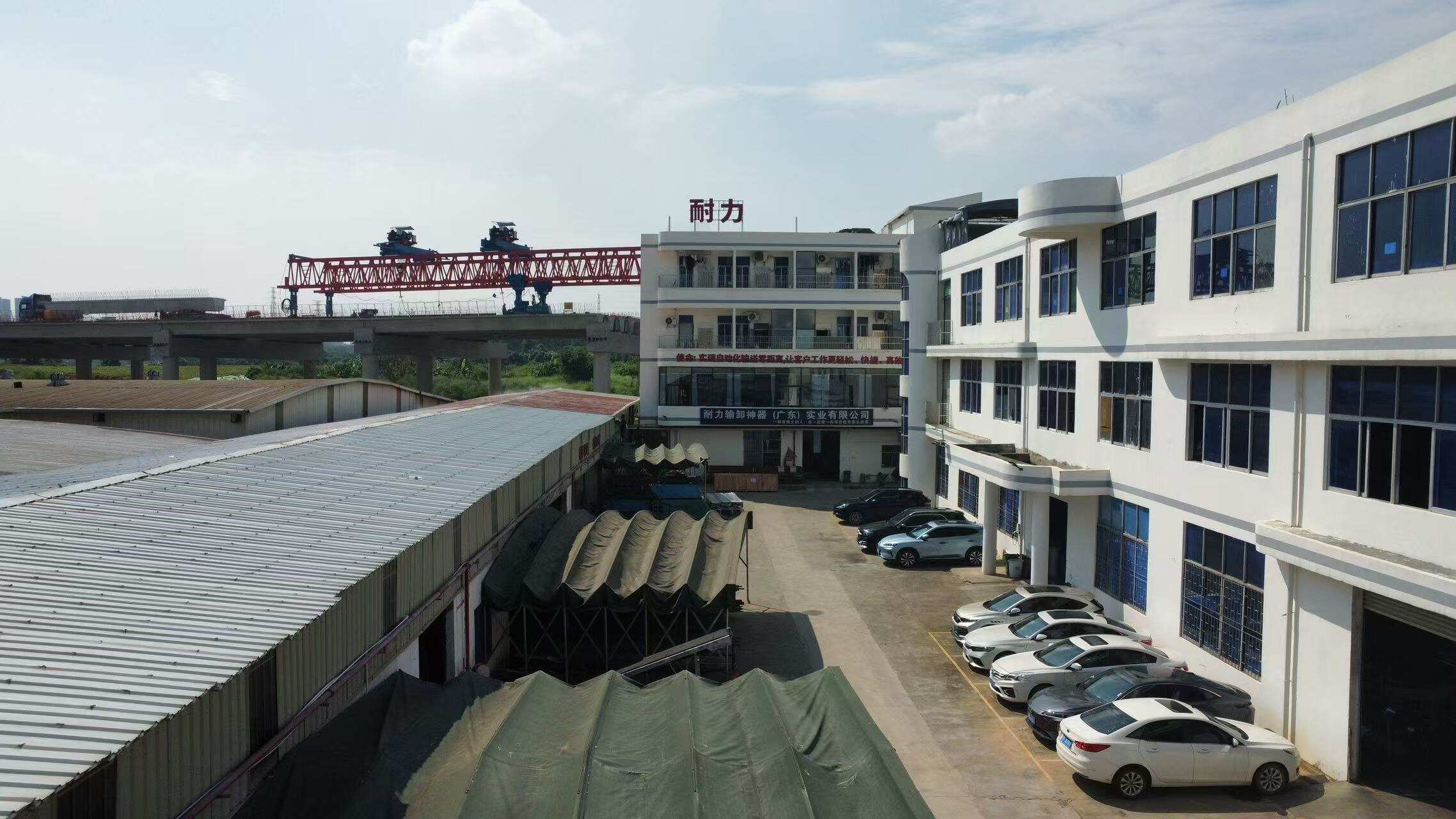
工厂图片 3
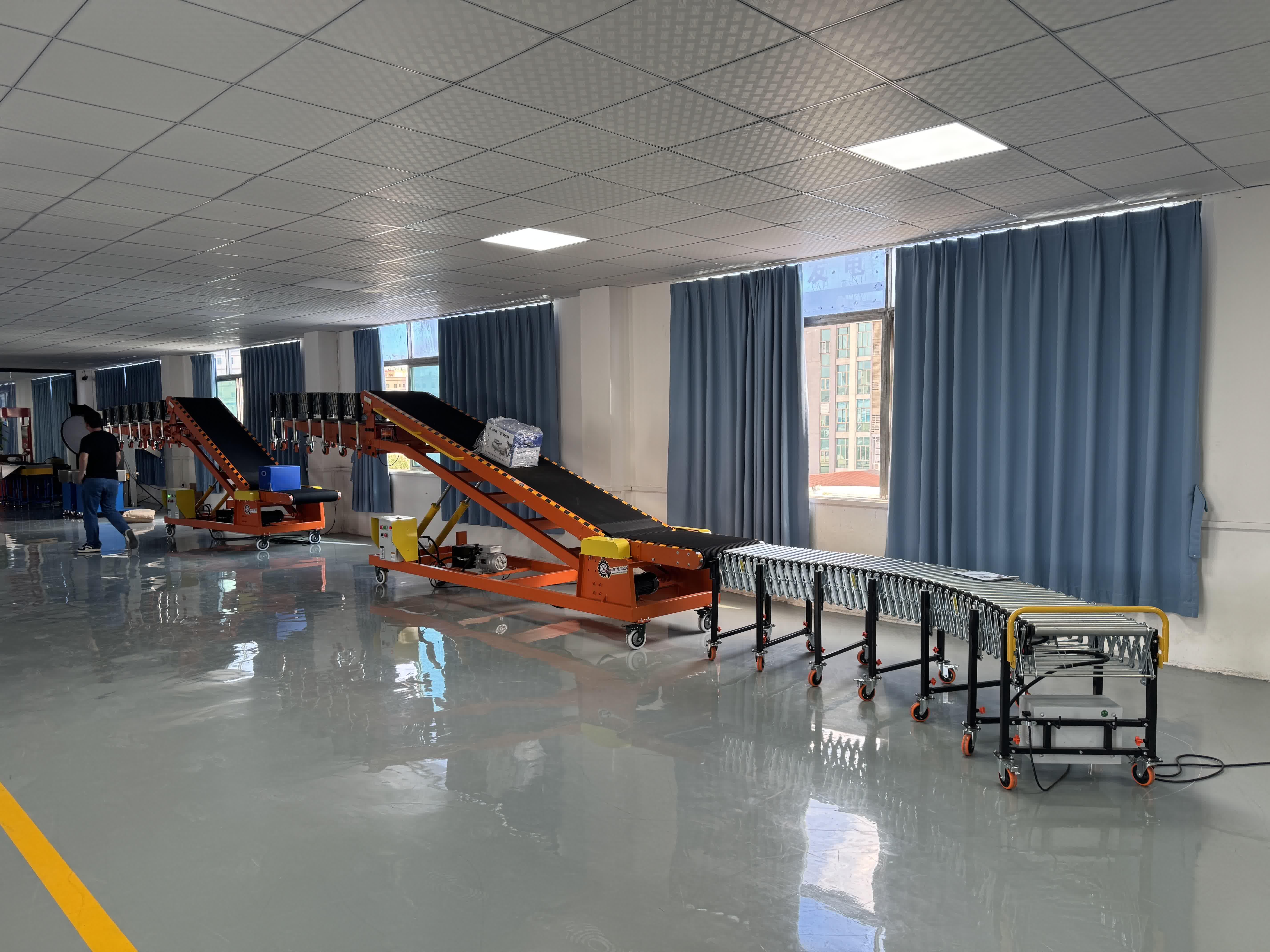
Image

工厂图片 3

工厂主图
Image

工厂主图

工厂图片 4
Image

工厂图片 4

工厂图片 1
Image

工厂图片 1

工厂图片 2
Image

工厂图片 2

Related Articles

View All
Analysis of the Throughput Capacity of Loading and Unloading Conveyors

Analysis of the Throughput Capacity of Loading and Unloading Conveyors

The overall throughput capacity of a loading and unloading conveyor is usually determined by two core factors: mechanical conveying capacity (theoretical conveyance limit) and manual loading/unloading efficiency (actual operating output).
2026-06-25Read More→
Gravity Skate Wheel Conveyor vs. Roller Conveyor: Loading Site Selection Comparison and Practical Guide

Gravity Skate Wheel Conveyor vs. Roller Conveyor: Loading Site Selection Comparison and Practical Guide

The Gravity Skate Wheel Conveyor is suitable for light loads, short distances, and rapid deployment, while roller conveyors offer stronger load capacity, adapt better to irregular goods, and support inclined conveying. This article explains how to choose from the perspectives of load, structure, cargo type, and cost.
2024-02-25Read More→
Telescopic conveyors for container loading

Telescopic conveyors for container loading

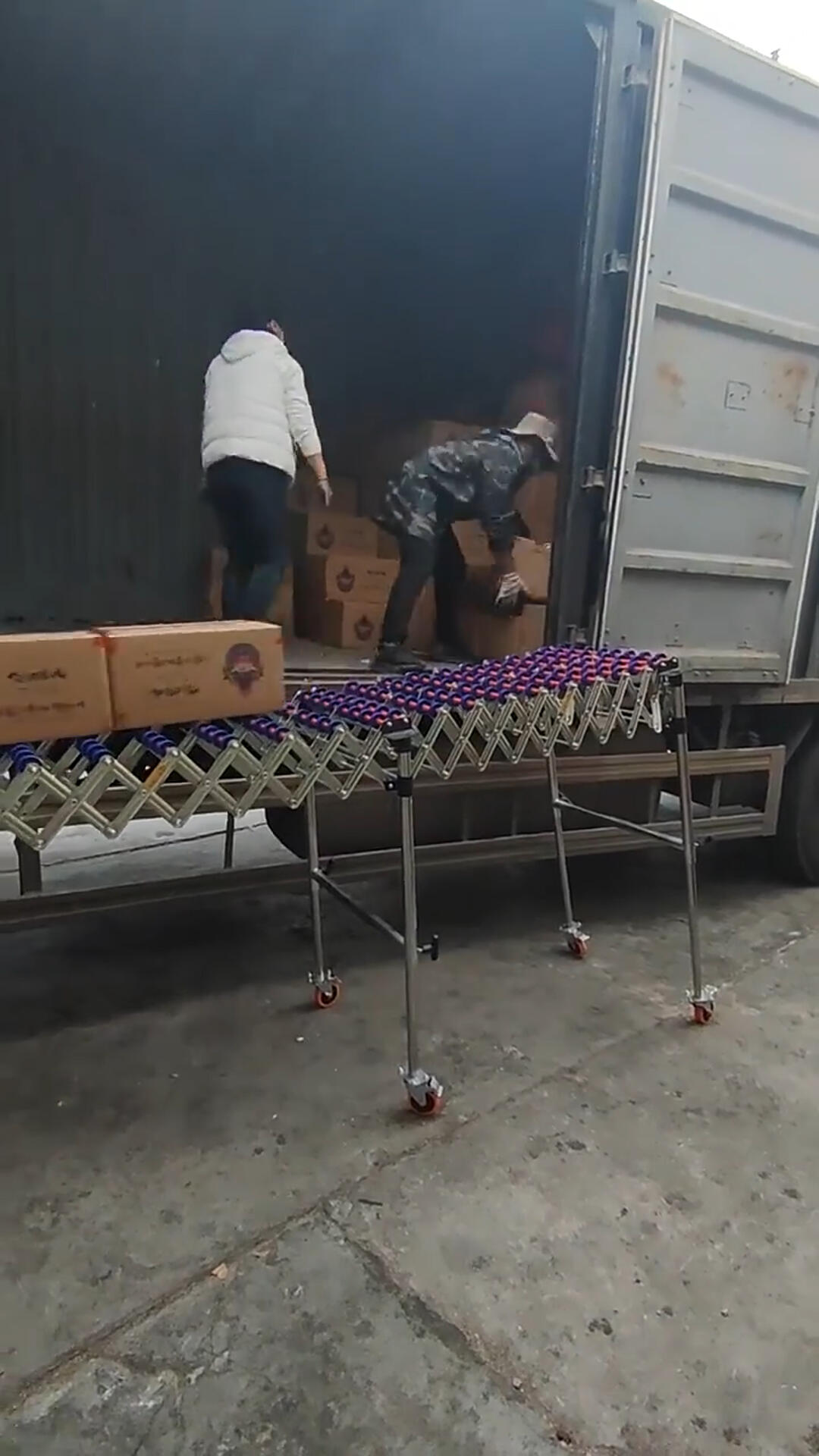
Telescopic conveyors for container loading are used to load 20-foot containers and 40-foot trailers, bridging the gap between the dock and the trailer interior. They reduce the need for personnel to enter the container for handling, improve continuous loading efficiency, and lower labor intensity and operational risk.

2024-03-23Read More→

The 3-section Telescopic Conveyor mainly solves the loading and unloading connection between the truck door and the deeper part of the truck body: the equipment itself stays at the warehouse entrance, dock entrance, or floor loading position, while the front end extends into the truck or container to deliver the goods as close as possible to the stacking point. It is suitable for cartons, bagged goods, rolled goods, metal drums, plastic drums, and other items with relatively stable shapes and modest unit weight. Before purchasing, first check three things: how long the truck body is, how far the equipment needs to extend, and whether there is enough space for the equipment when retracted and fully extended. If it also needs to connect to an in-warehouse conveyor line or a manual sorting station, the infeed/outfeed height, effective width, and operating position must also be confirmed.

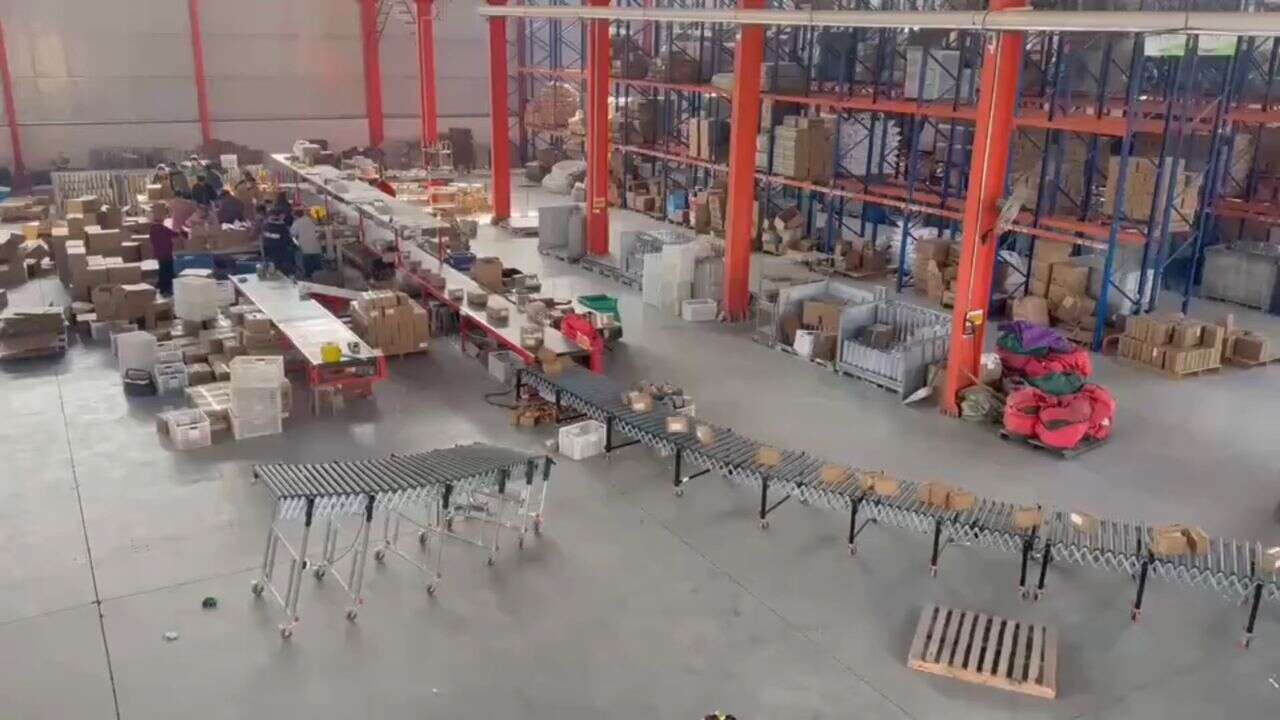
Unloading process review of the 3-section Telescopic Conveyor at an express center (suitable for 7.6 m / 9.6 m trucks)

Applicable sites and cargo boundaries

The feature of the 3-section structure is that it balances the extension depth into the truck body and the retracted length of the equipment. This model group is suitable for warehouses, distribution centers, loading and unloading bays, and other locations where the conveying end needs to extend into the truck body, covering common trucks such as 7.6 m and 9.6 m vehicles, as well as truck or container scenarios under 40 ft. For the truck-body height, the input information shows a wide range, but actual use also depends on the site entrance/exit height, dock height, whether hydraulic lifting is required, and the connection angle between the front end and the truck floor. This parameter must be confirmed according to the final model or engineering requirements.

You can first determine the cargo boundary based on the following conditions:

  • Cartons, bagged goods, rolled goods, metal drums, and plastic drums can be used as common conveying items.
  • The unit weight should be kept within 50 kg.
  • When the conveyor surface load is understood as a 60 kg range, it is necessary to distinguish between "unit weight" and "load per unit length"; the two must not be confused. For densely stacked goods, barrel-type rolling conveyance, or concentrated loading conditions, the load capacity needs to be confirmed again.
  • For goods with soft bottoms, protruding shapes, a tendency to catch on edges, or a noticeably shifted center of gravity, samples or conveying posture must be confirmed first.

If the goods in the truck need to be stacked directly at the far end, usually one operator will be arranged inside the truck to assist, and unloading or loading will be completed by combining front-end extension/retraction, start/stop, and forward/reverse rotation. If the goods only need to be delivered near the truck opening and then transferred manually, the 3-section Telescopic Conveyor can also be used, but the extension depth should be reassessed to ensure it is not excessive.

How to read the key parameters

When purchasing a 3-section Telescopic Conveyor, the key to model selection and layout is not to check the critical dimensions first, but to check the key parameters first. The main visible boundaries of this model group include: maximum extension into the truck body of 7–9 meters, effective width of 600/800 mm, speed of 10–40 m/min, common maximum unit cargo weight of 50 kg, base machine length of 5–7 meters, and fully extended length of 12–16.5 meters. Some models have different values for extension length and fully extended length, so the related dimensions must be confirmed according to the final model or engineering requirements.

Parameters Impact on model selection How to confirm on site
Extension length into the truck body Determines whether the conveying end can be delivered deep into the truck body, reducing handling distance inside the vehicle Provide the available length inside the truck body and the distance from the door to the stacking point; the 7–9 meter range must be confirmed according to the final model or engineering requirements
Base length A Determines the footprint after the equipment is retracted and the reserved space outside the loading/unloading opening After confirming the warehouse entrance, dock entrance, or floor station, leave a 5–7 meter layout area
Fully extended length C Determines the impact on the aisle, forklift route, and the area in front of the doorway after the equipment is extended Check whether the extension direction will occupy the traffic aisle based on 12–16.5 meters
Effective width Determines whether the cargo bottom can pass through stably and also affects the posture for manual handling Check the cargo bottom dimensions, placement direction, and standing position inside the truck according to 600/800 mm
Speed Determines how the front and rear sections are synchronized in pace On site, confirm the speed adjustment range of 10–40 m/min and coordinate it with the upstream supply rhythm and manual picking/placing speed
Load capacity Determines the load boundaries for a single item and concentrated force on the conveying surface The unit weight, placement spacing, and whether there will be accumulation and waiting must all be provided together; engineering confirmation is required if the boundaries are exceeded

In addition to the parameters above, the front end usually also involves operating and safety functions such as start/stop, forward/reverse rotation, extension/retraction, emergency stop, and a front-end touch-type anti-collision device. The speed information appears in different places as both 10–40 m/min and 24–36 m/min; the actual configuration and speed adjustment range must be confirmed according to the final model or engineering requirements.

How should the front and rear sections be connected?

There are two common ways to use a 3-section Telescopic Conveyor:

  1. Connect directly to the fixed conveyor line in the warehouse to move goods from inside the warehouse into the truck;
  2. Set up a single unit at the loading and unloading point, with manual handling, pallet trucks, or surrounding conveying equipment connecting at the front and rear.

If the front section is a fixed conveyor line, the following points should be confirmed first when connecting:

  • Whether the feed height matches the height of the tail end of the 3-section Telescopic Conveyor;
  • Whether the incoming cargo width is less than the effective width of the equipment;
  • Whether the upstream cycle rate will cause goods to accumulate at the tail end;
  • Whether manual sorting is needed or the goods can be sent directly into the truck.

If a longer connection distance is needed inside the warehouse, it is usually arranged together with Powered Roller Conveyor or Gravity Roller Conveyor to transport goods to the tail end of the Telescopic Conveyor. If there is a significant height difference between the truck and the ground on site, and lifting is required before loading into the truck, then compare first Telescopic Conveyor and Hydraulic Conveyor arrangement options, and then decide which section should handle the height change.

For related loading and unloading formats, see Telescopic Conveyor Direct-Connection Warehouse Conveyor Loading and Unloading Solution and 3-Section Telescopic Conveyor Unloading Process for Express Centers.

How to distinguish models in the same series

The main differences between the 3-section Telescopic Conveyor and other models in the same series are the retracted length, extended length, and the maximum depth it can extend into the truck.

  • 2-section Telescopic Conveyor: Suitable for workstations that require a shorter extension distance and have tighter rear-space conditions on site. If the truck is shorter and the doorway workstation space is limited, it is usually checked first against the 2-section model.
  • 3-section Telescopic Conveyor: suitable for loading and unloading points that need an extension distance of around 7 to 9 meters while keeping the overall machine length from being too long; it is a fairly common mid-range span.
  • 5-section Telescopic Conveyor: Suitable for scenarios that require a longer extension distance or deeper truck coverage, but the total space after retraction and extension must also be checked.

Within the 3-section model group, the listed models include 5-7-12 m, 6-8-14 m, 6-8.5-14.5 m, 7-9-16 m, and 7-9.5-16.5 m. Here, you can understand it as:

  • The first length is close to the equipment's base length;
  • The middle length corresponds to the extended length;
  • The last length corresponds to the fully extended length.

If only about 5 meters of space can be reserved behind the loading and unloading point, a shorter model is usually considered first; if the truck is longer and needs to reach deeper inside, then a model with a 6-meter or 7-meter base length is considered. When the truck is especially long, or when a deeper working area needs to be covered, both the extension length and the fully extended length must be recalculated; you cannot judge it simply by the "3-section structure.".

On-site Layout and Maintenance

The on-site layout of the 3-section Telescopic Conveyor focuses on having both "space reserved outside the truck" and "operation inside the truck" satisfied at the same time.

When arranging the layout, check whether:

  • After the equipment is retracted, it blocks the warehouse door, fire passage, or forklift passage;
  • When the front end enters the truck after extension, whether the door, door frame, canopy, or the edge of the loading platform interferes;
  • Whether the operator stands outside the vehicle at the front end, at the cargo door, or moves into the vehicle with the equipment for a certain distance;
  • Whether a standing operator platform, support frame, non-powered casters, a ramp section, or hydraulic lifting is required.

For maintenance and routine inspection, common focus areas include:

  • Whether the front anti-collision device responds sensitively;
  • Whether the emergency stop button is easy for people inside and outside the vehicle to reach;
  • Whether the belt surface, joints, and tracking deviation remain stable;
  • Whether the Telescopic Conveyor structure, cable drag chain, lighting, and control buttons are functioning properly;
  • Whether the mobile casters, support position, and floor levelness are suitable for repeated loading and unloading.

If there are many shifts on site and frequent start-stop operations, it is recommended to confirm the front-end control button position, lighting, and the operator's line of sight inside the vehicle together, to avoid a situation where the equipment itself meets the length requirement but the operation process is inconvenient.

Frequently Asked Questions

1. Is it suitable for 7.6-meter or 9.6-meter trucks?
Usually yes, but you also need to provide the internal length of the cargo compartment, the relationship between the loading/unloading opening and the rear of the vehicle, and the platform or floor layout. If the conveyor needs to extend 7–9 meters into the compartment, the insertion length should be confirmed according to the final model or engineering requirements.

2. Can it convey metal drums or plastic drums?
Yes, they can be one of the common cargo forms, but first confirm whether the weight per piece is within 50 kg and verify the stability between the bottom of the drum and the conveying surface. If the drum is easy to roll, has a narrow contact area at the bottom, or may accumulate in piles, the load-bearing and guiding method will need further confirmation.

3. What width dimensions need to be confirmed?
At a minimum, confirm the maximum overall width of the cargo, the usual placement direction, the manual pick-up space, and the effective equipment width. The current visible effective width is 600/800 mm; which option to choose should be determined according to the cargo and the site.

4. Can it be directly connected to a warehouse conveyor line?
Yes, it can be connected according to the on-site setup, but first confirm the height and width of the front conveyor line, the inbound material takt time, and whether buffering is required at the tail end. If it needs to be directly connected to the in-warehouse line, the infeed and outfeed heights should be confirmed according to the site layout.

Confirmation Before Purchase

Before placing an order or discussing a solution, it is recommended to directly provide the information below so that the 3-section Telescopic Conveyor can be matched to a specific model:

Site conditions What needs to be provided What judgment does it affect
Vehicle type Truck or container, internal compartment length, door width, door height Insertion length, front-end interference, operating space inside the vehicle
Loading/unloading position Floor loading/unloading or dock loading/unloading, rear-end parking method Equipment height, front-end loading angle, whether hydraulic lifting is required
Site space Available length behind the loading/unloading opening, width of the left and right passages Choose a model with a base length of 5 m, 6 m, or 7 m
Cargo information Cargo form, weight per piece, bottom dimensions, maximum overall dimensions Effective width, load capacity, conveying stability
Connection method Whether the front section is manual, cart-fed, or a fixed conveyor line Tail-end height, takt time, whether a support frame or platform is needed
Operating method Whether staff will be arranged inside the vehicle to assist, and whether lighting is needed inside the vehicle Button placement, operator platform, safety configuration
Optional requirements Brackets, standing operator platform, non-powered casters, ramp section, hydraulic lifting On-site layout and operational convenience

If the weight of a single item exceeds 50 kg, cargo will pile up while waiting, or there are special height or position restrictions inside the truck body, please specify this during the confirmation stage; the relevant load capacity, speed, and dimensions shall be subject to the final model or engineering confirmation.