


Gravity Skate Wheel Conveyor 4
Gravity Skate Wheel Conveyor Series

Gravity Skate Wheel Conveyor

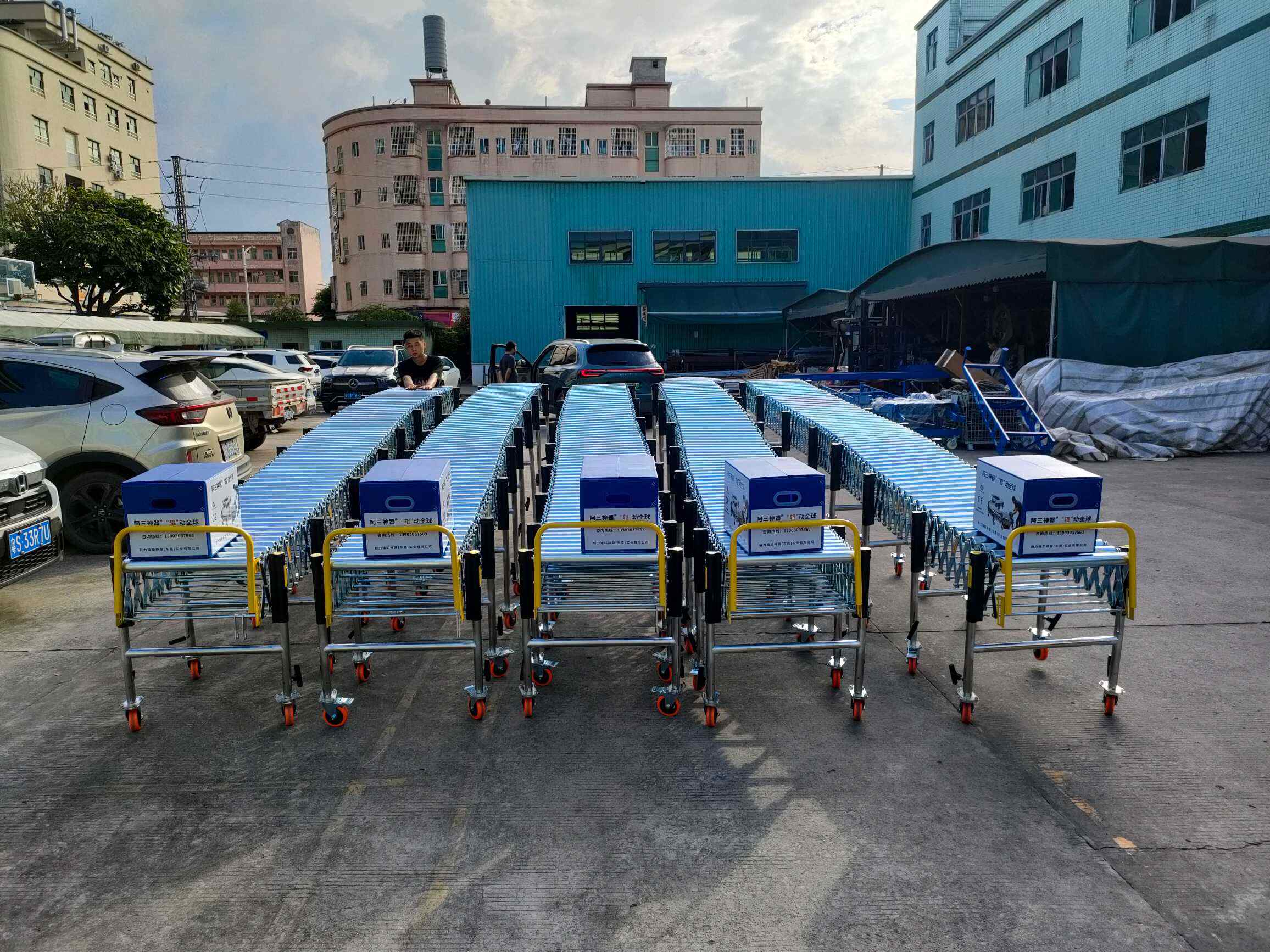
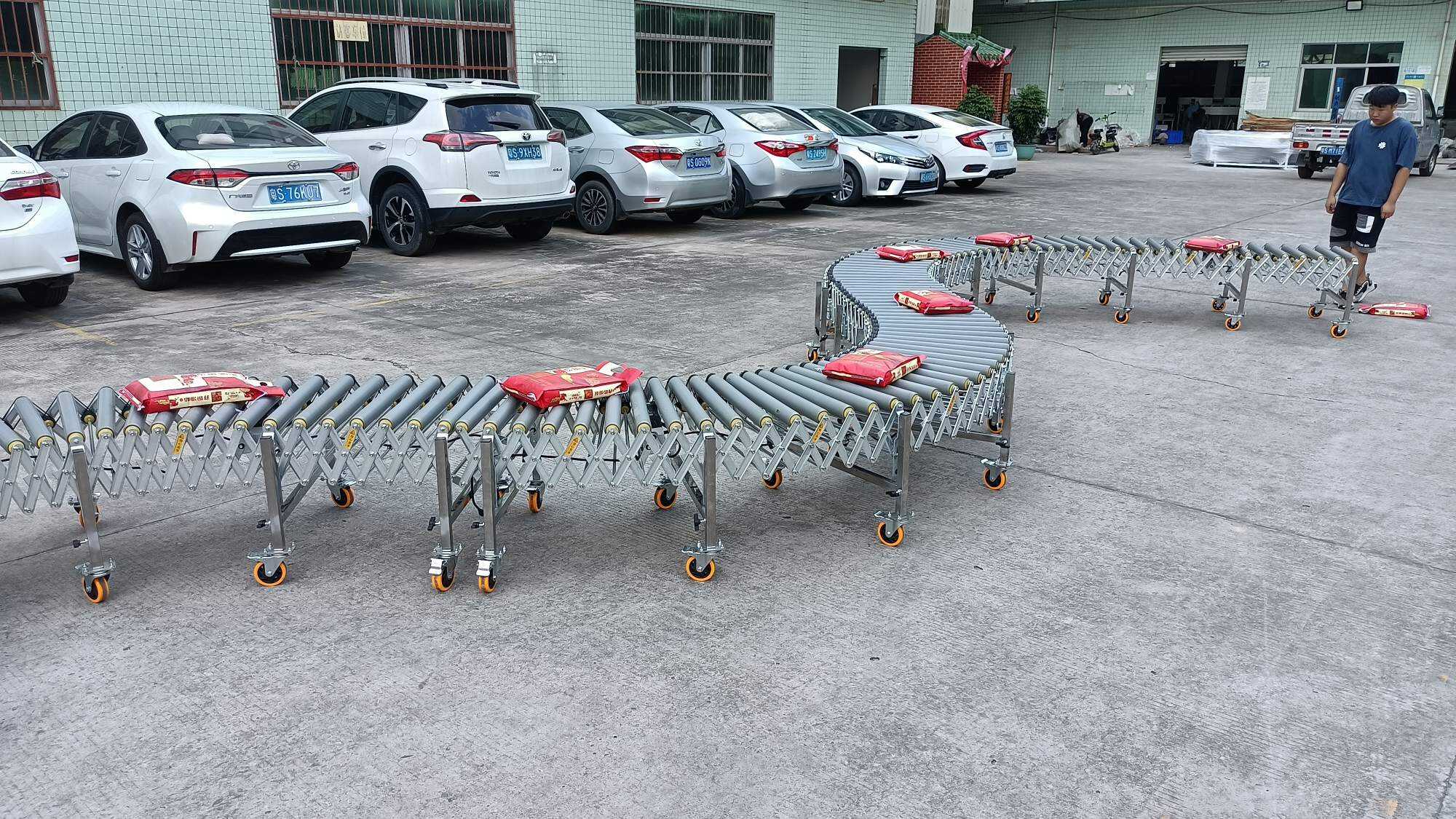
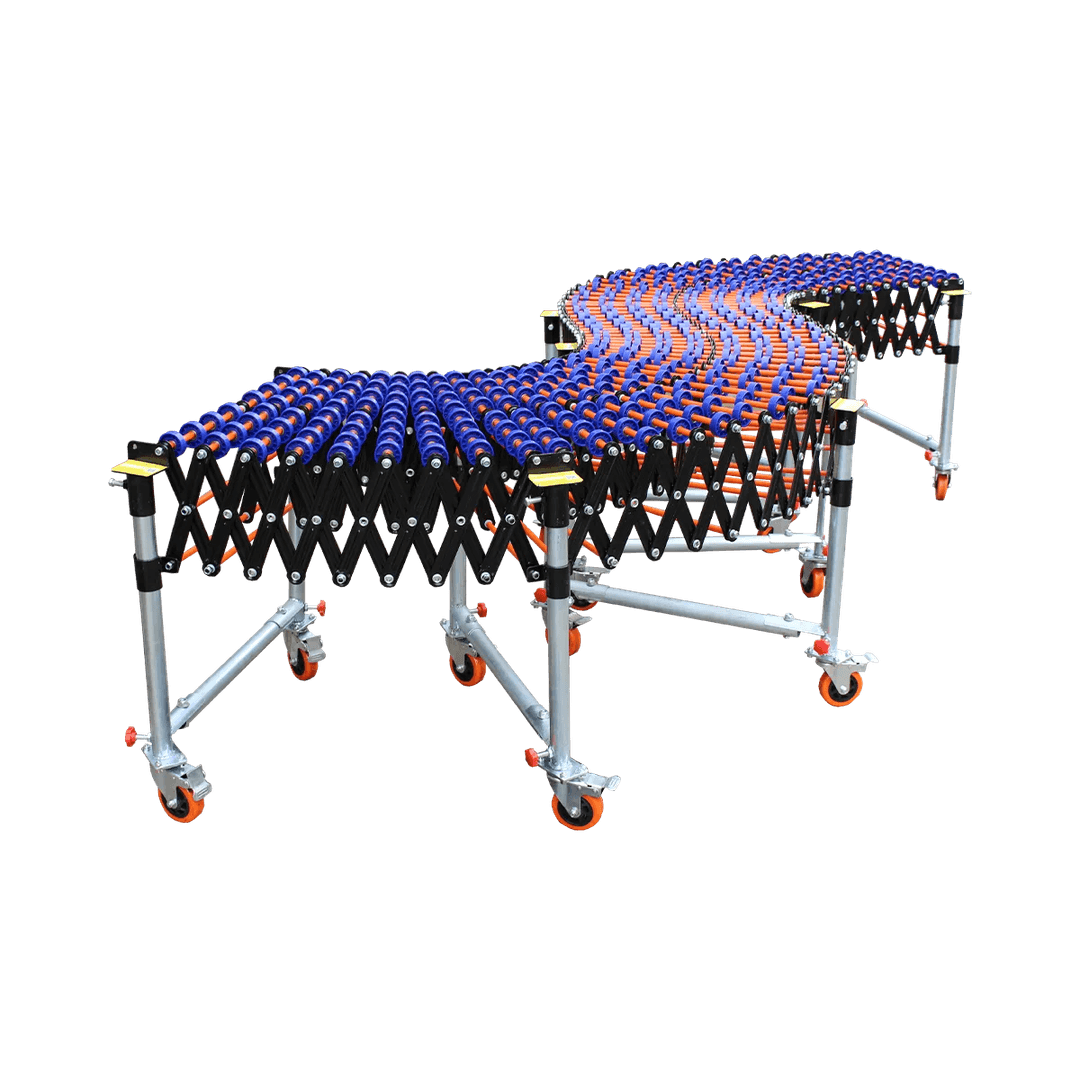
Gravity Skate Wheel Conveyor is designed specifically for bottom-flat goods such as cartons, enabling fast and efficient unloading operations. The conveying load is 50 kg per meter, and the effective width is available in 500, 600, 800, or 1000 mm. The folding ratio is 1: 5, making the structure compact and convenient for temporary or flexible arrangement, which is ideal for use in warehouses and logistics centers. It can be extended, retracted, and turned at will.

Load Capacity
50 kg/m
Effective Width
500/600/800/1000 mm
Retraction ratio
1:5
Applicable Goods (Recommended Maximum weight per item)

Gravity Skate Wheel Conveyor Maximum weight per item (reference)

Actual maximum weight depends on specific working conditions and configuration

Carton
Maximum weight (per item)
25 kg/pcs
Qualifications and Reports

Gravity Skate Wheel Conveyor Qualifications and Reports

View the certificates, test reports, and patent certificates related to this product for easier verification of qualifications and technical basis.

Certificates

National Conveyor Industry Brand Promotion Selection - Top 10 Conveyor Brands

National Conveyor Industry Brand Promotion Selection - Top 10 Conveyor Brands

PDF
High-Tech Enterprise Certificate

High-Tech Enterprise Certificate

PDF
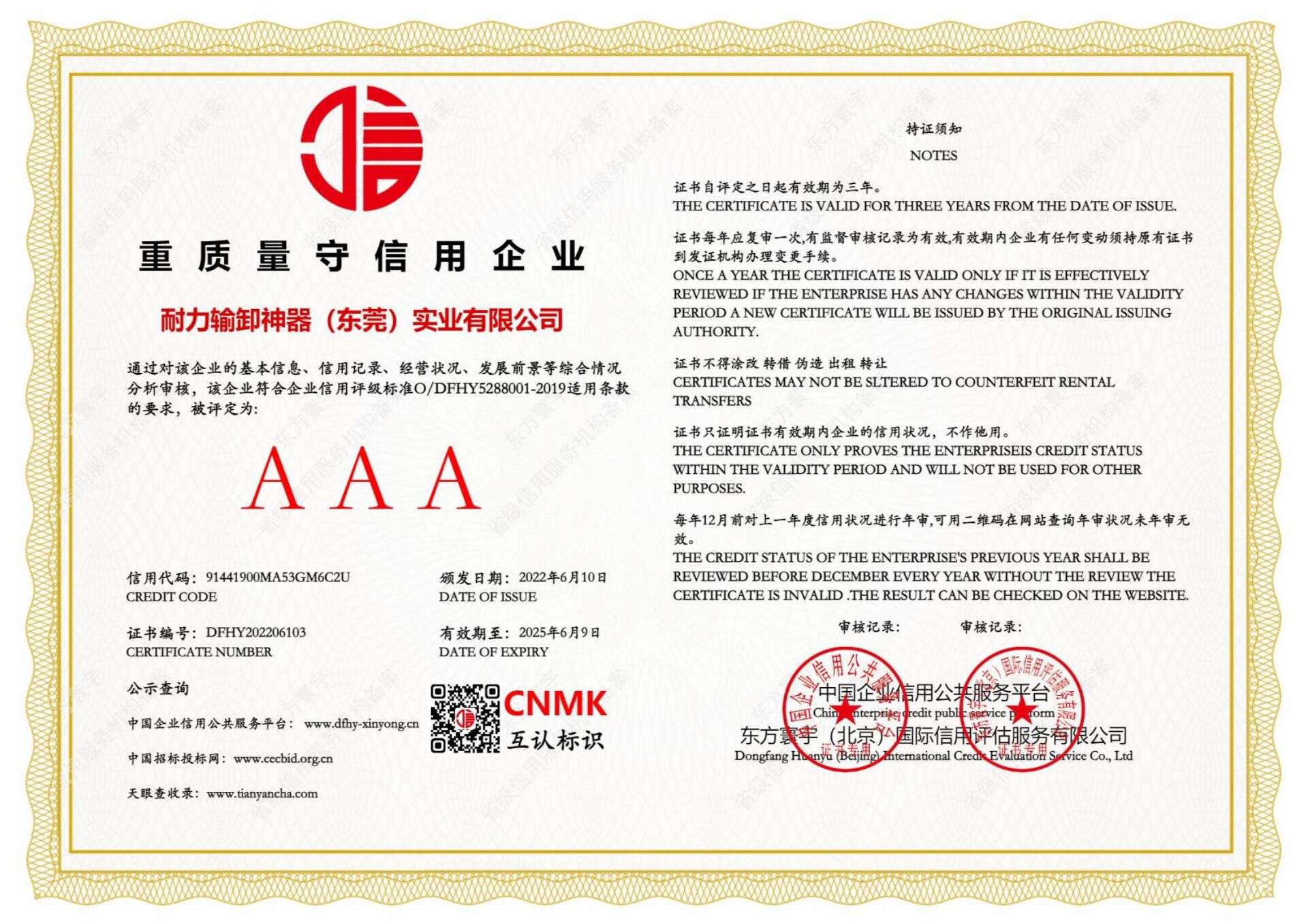
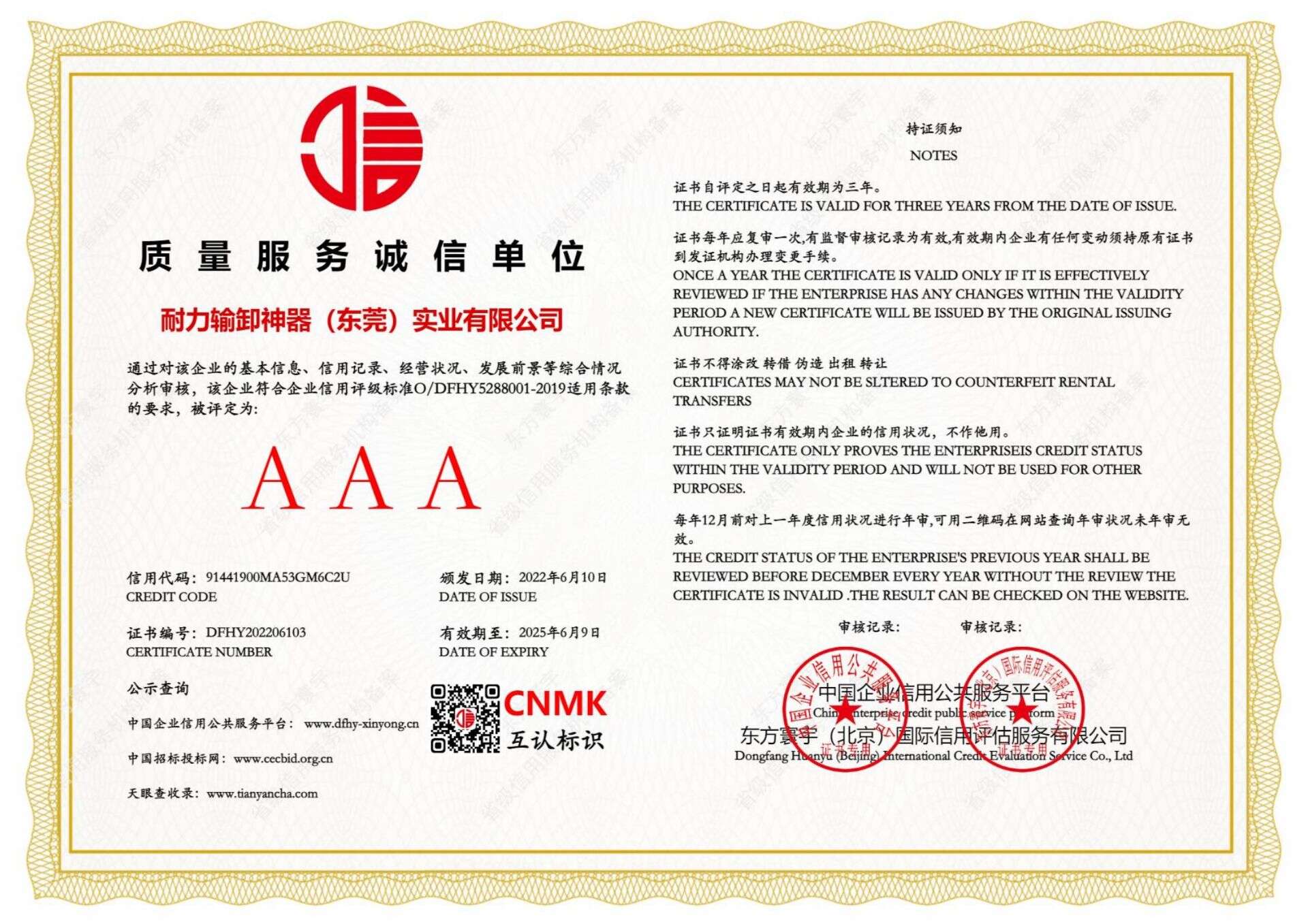
3A Heavy Quality and Credit-Keeping Enterprise

3A Heavy Quality and Credit-Keeping Enterprise

PDF
3A Contract-Honoring and Credit-Keeping Enterprise

3A Contract-Honoring and Credit-Keeping Enterprise

PDF
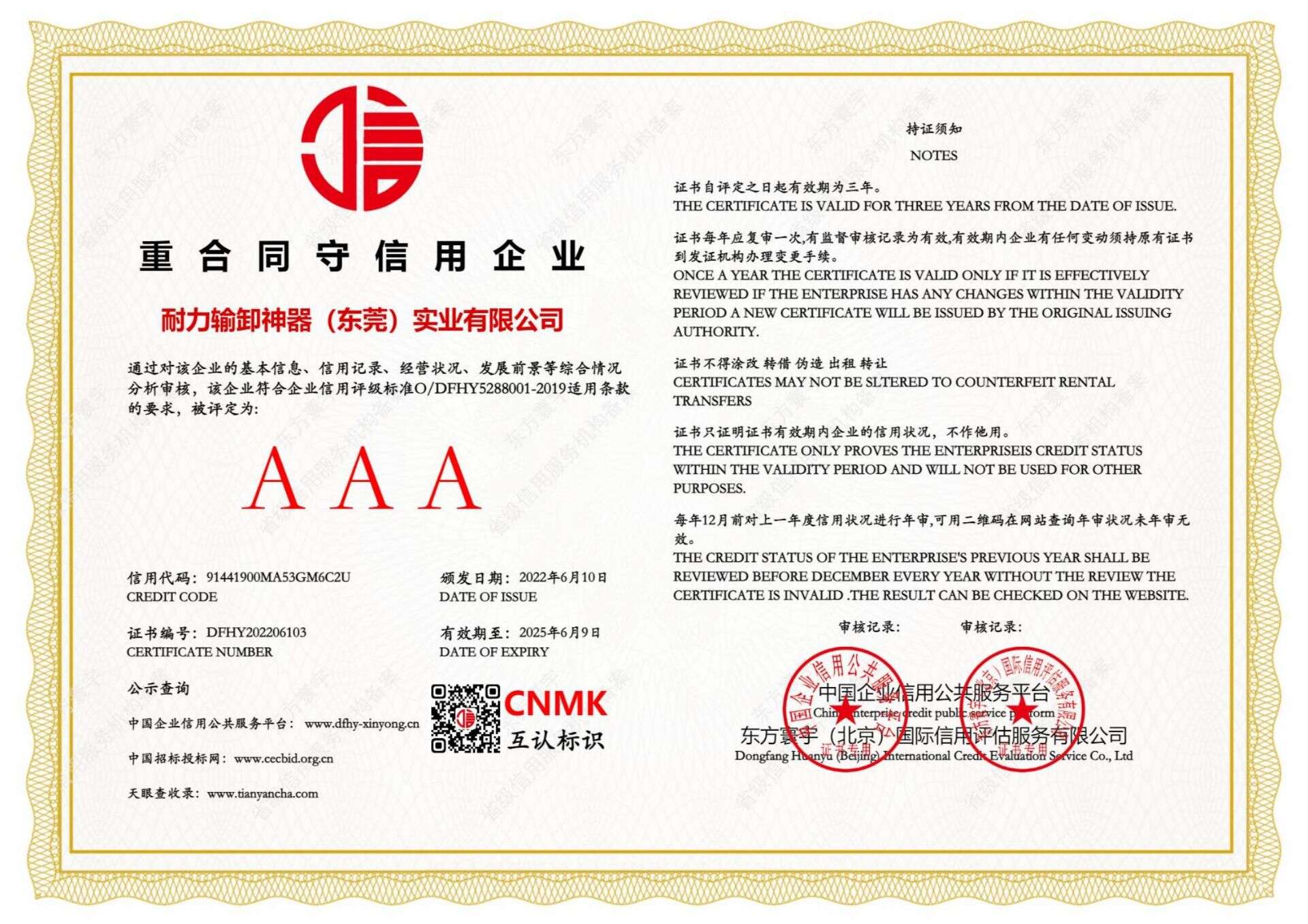
3A Heavy Contract-Honoring and Credit-Keeping Enterprise

3A Heavy Contract-Honoring and Credit-Keeping Enterprise

PDF
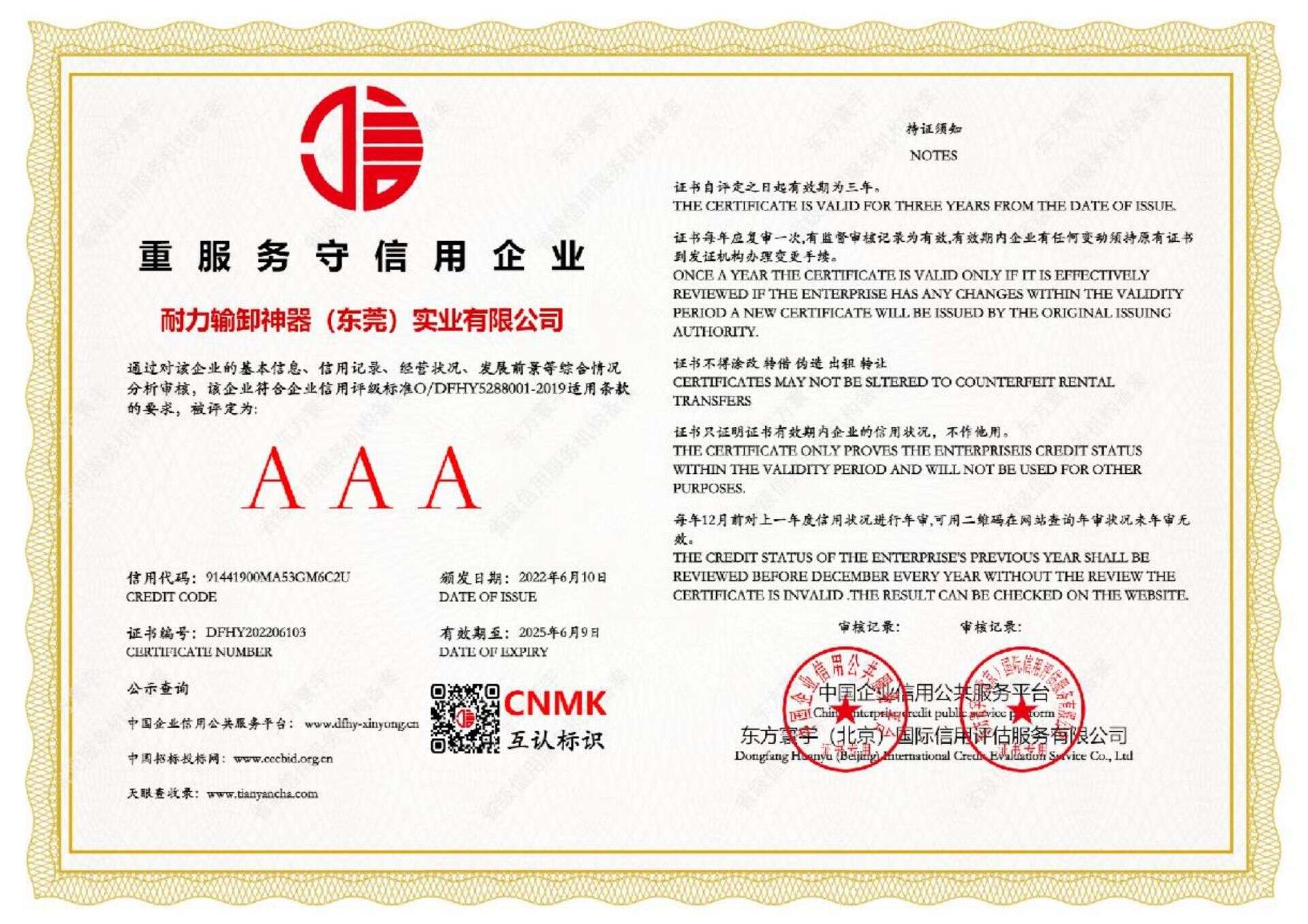
3A Quality Service Integrity Unit

3A Quality Service Integrity Unit

PDF
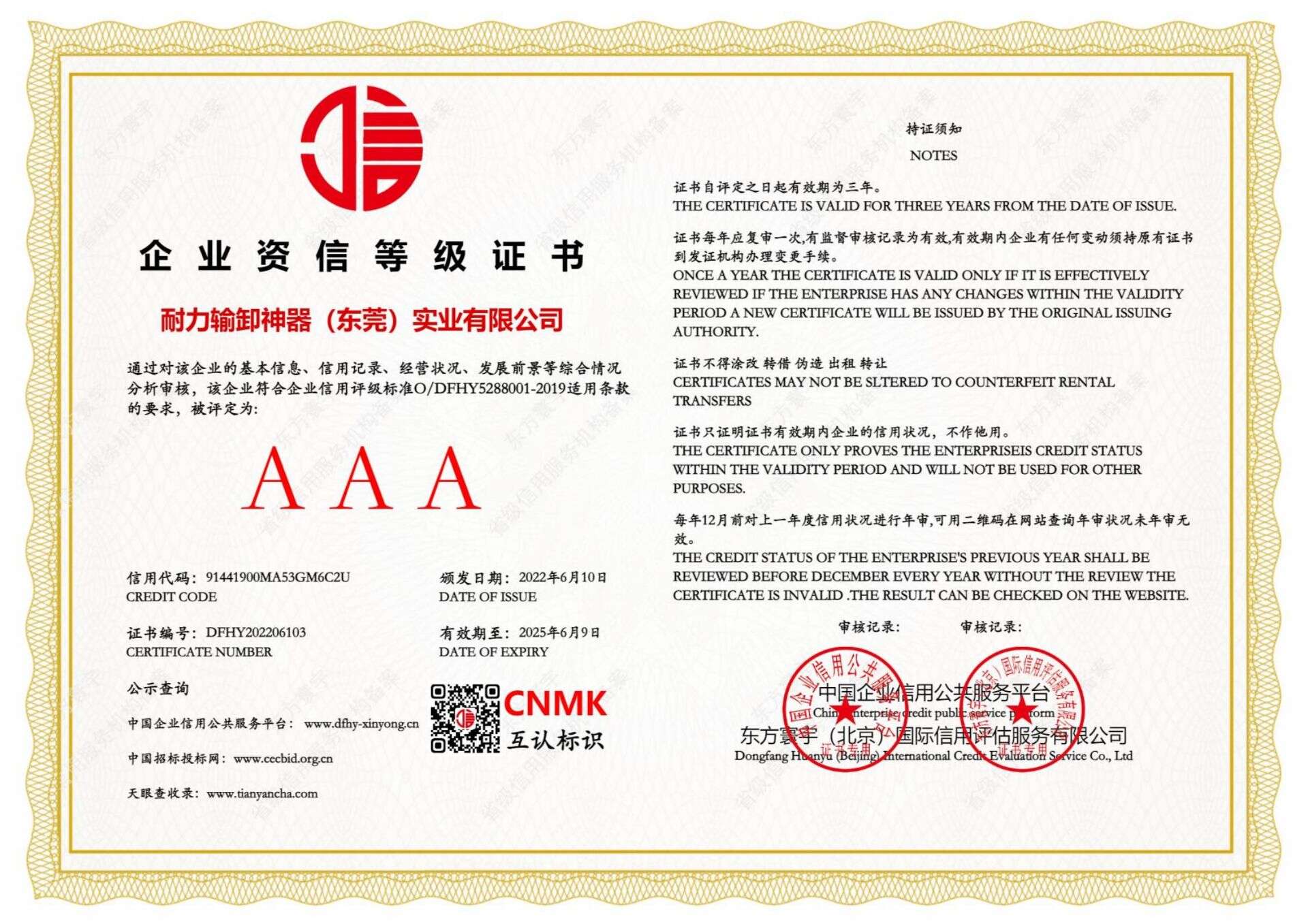
3A Enterprise Credit Rating Certificate

3A Enterprise Credit Rating Certificate

PDF
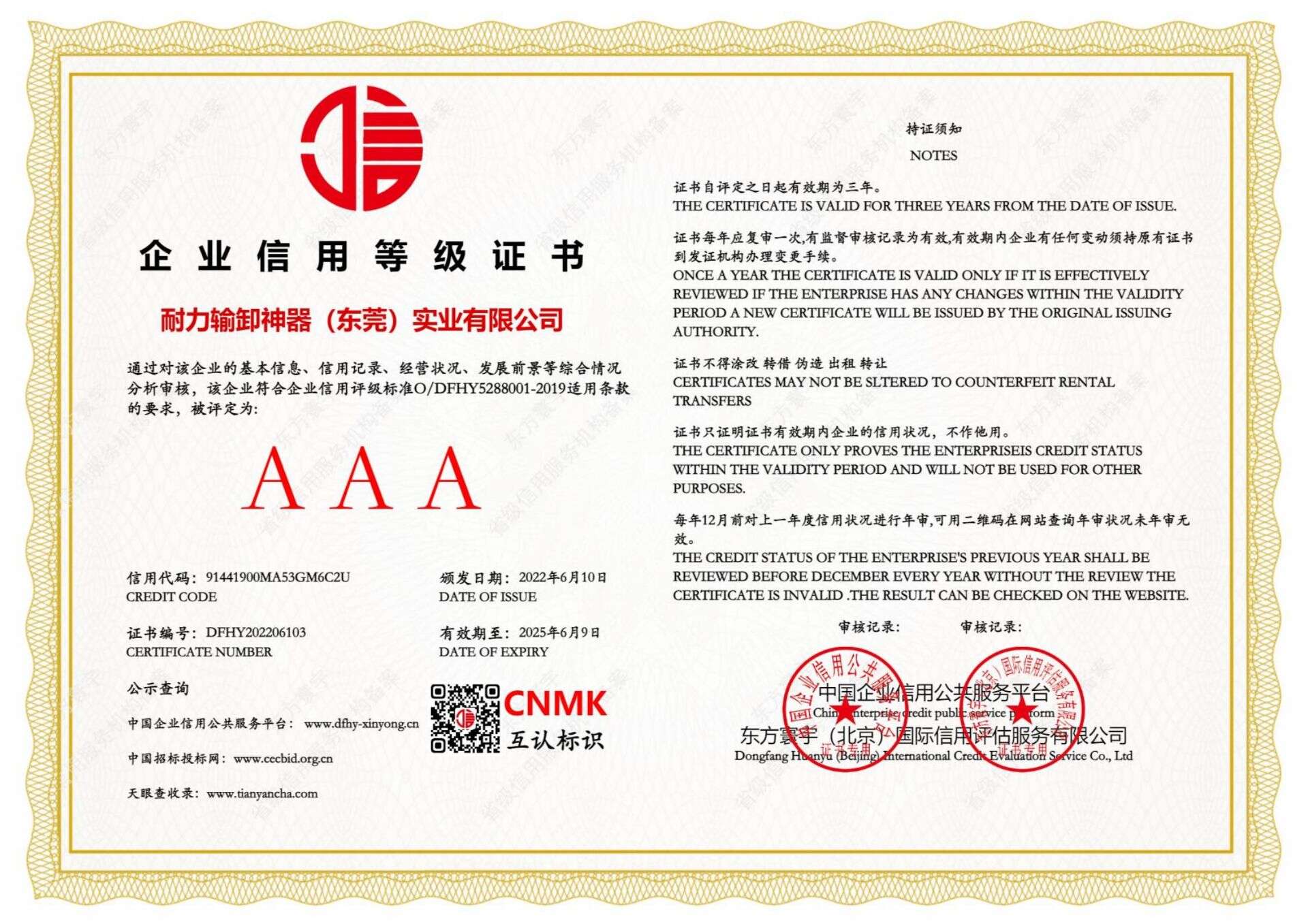
3A Enterprise Credit Rating Certificate

3A Enterprise Credit Rating Certificate

PDF
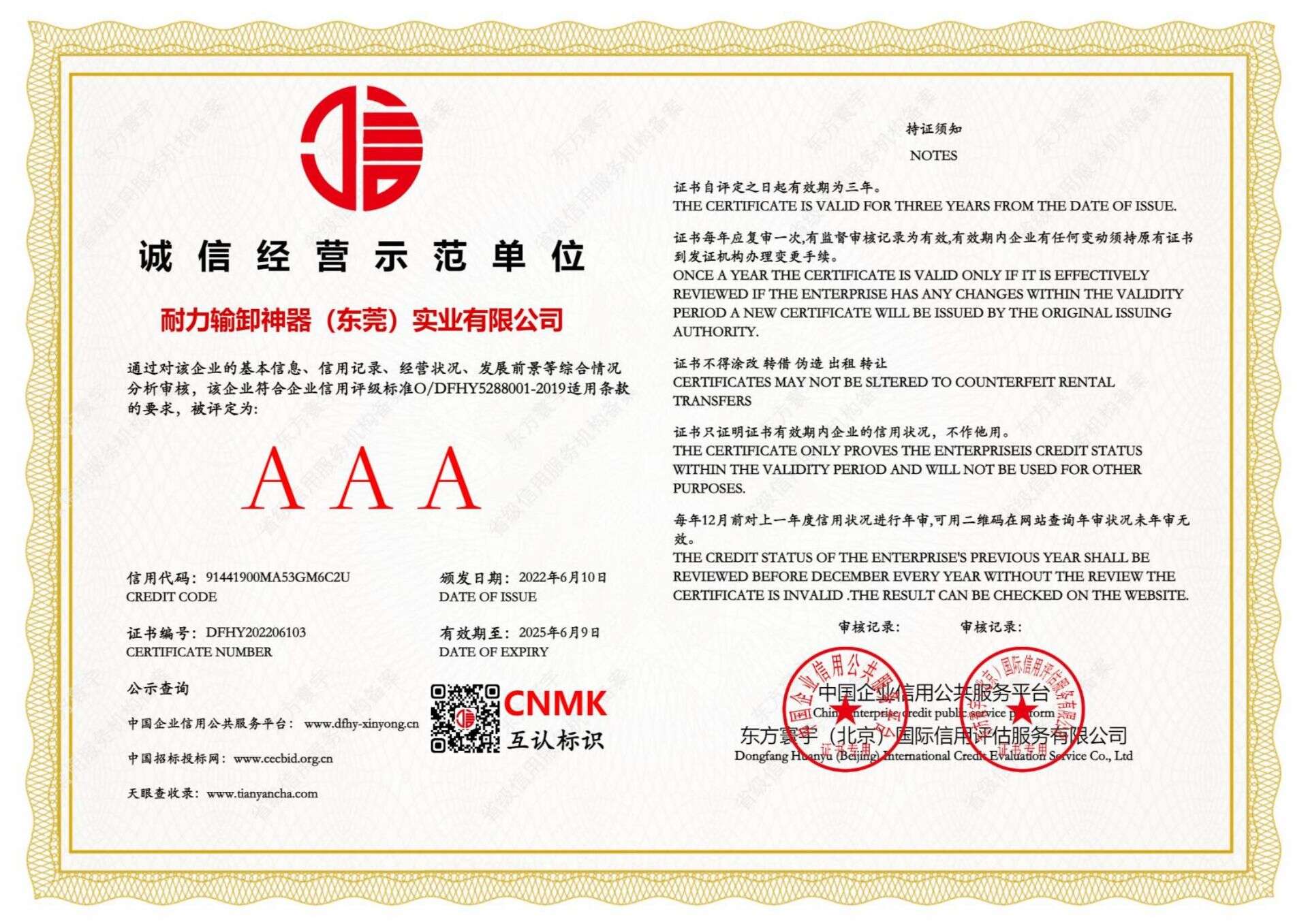
3A Honest Operation Demonstration Unit

3A Honest Operation Demonstration Unit

PDF
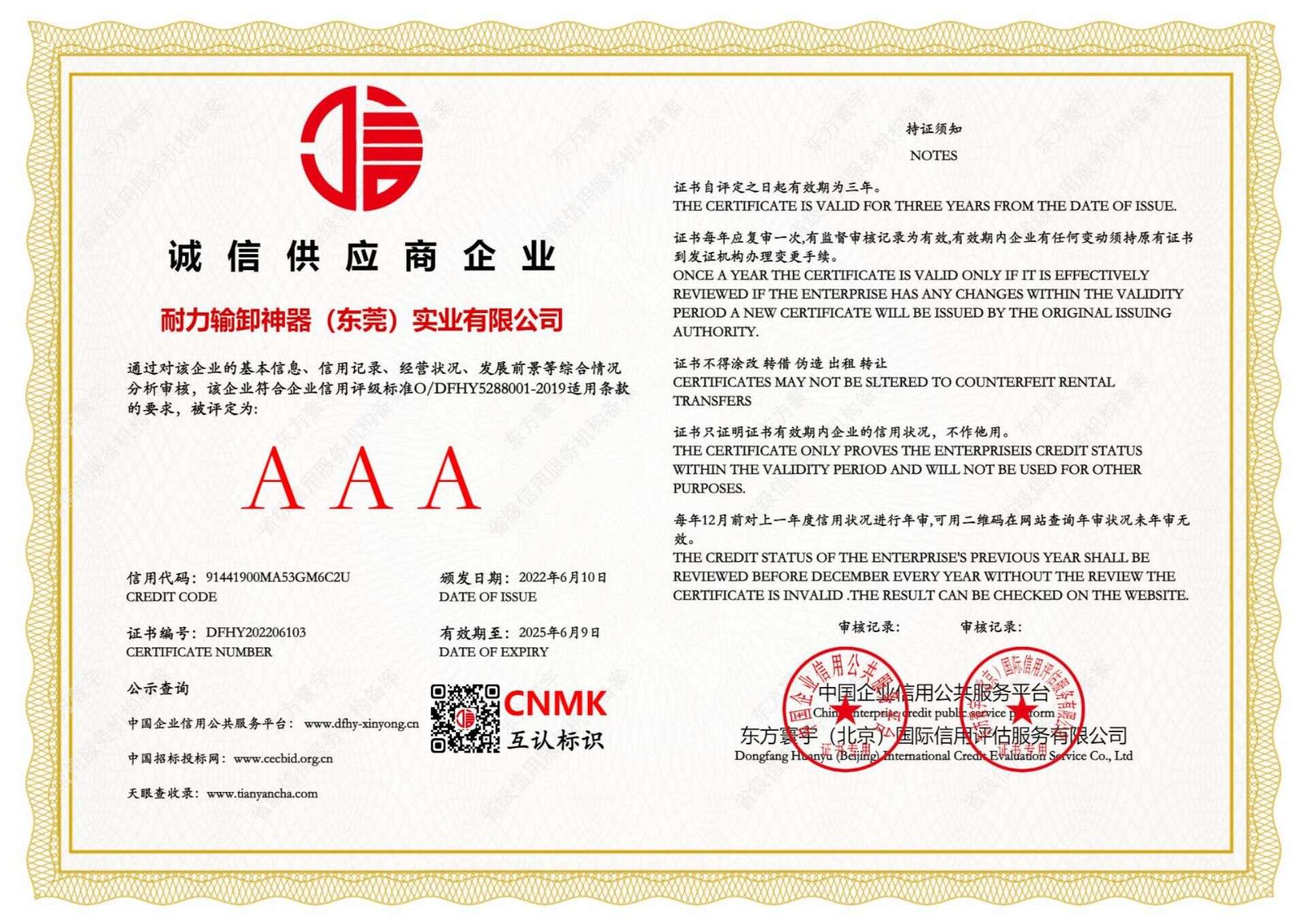
3A Honest Supplier Enterprise

3A Honest Supplier Enterprise

PDF
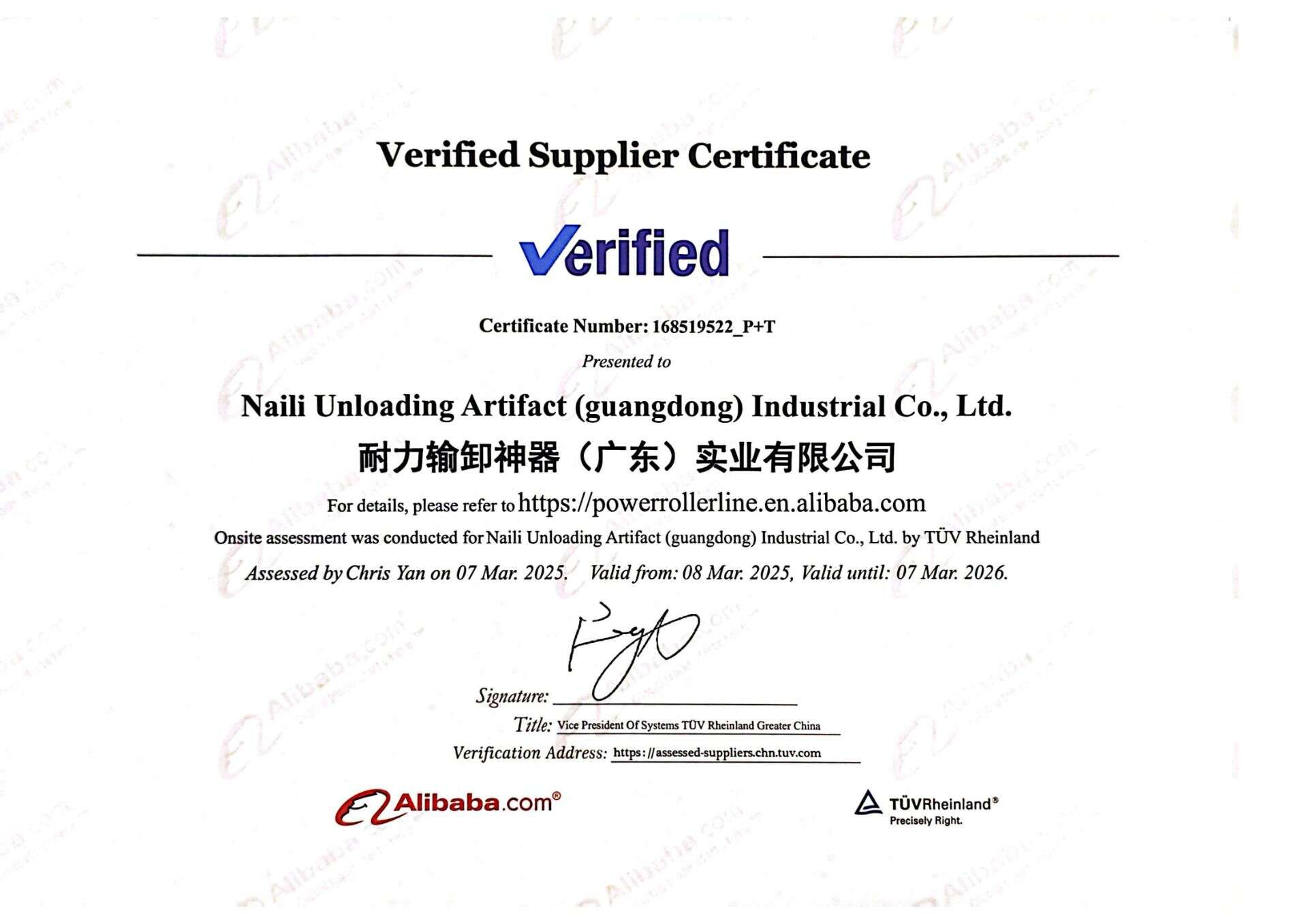
Alibaba Enterprise Certification Certificate

Alibaba Enterprise Certification Certificate

PDF
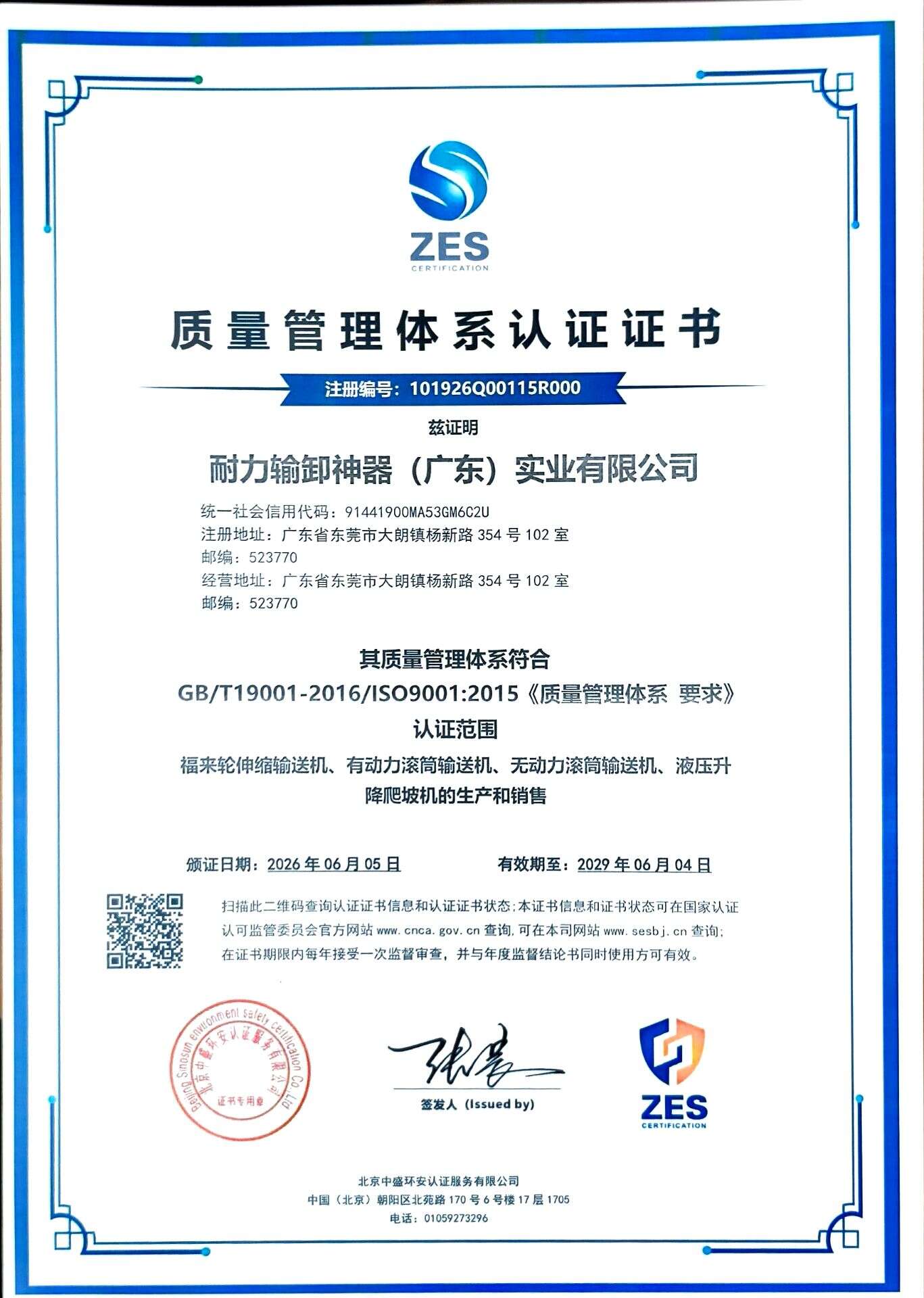
ISO Certificate - Chinese

ISO Certificate - Chinese

PDF
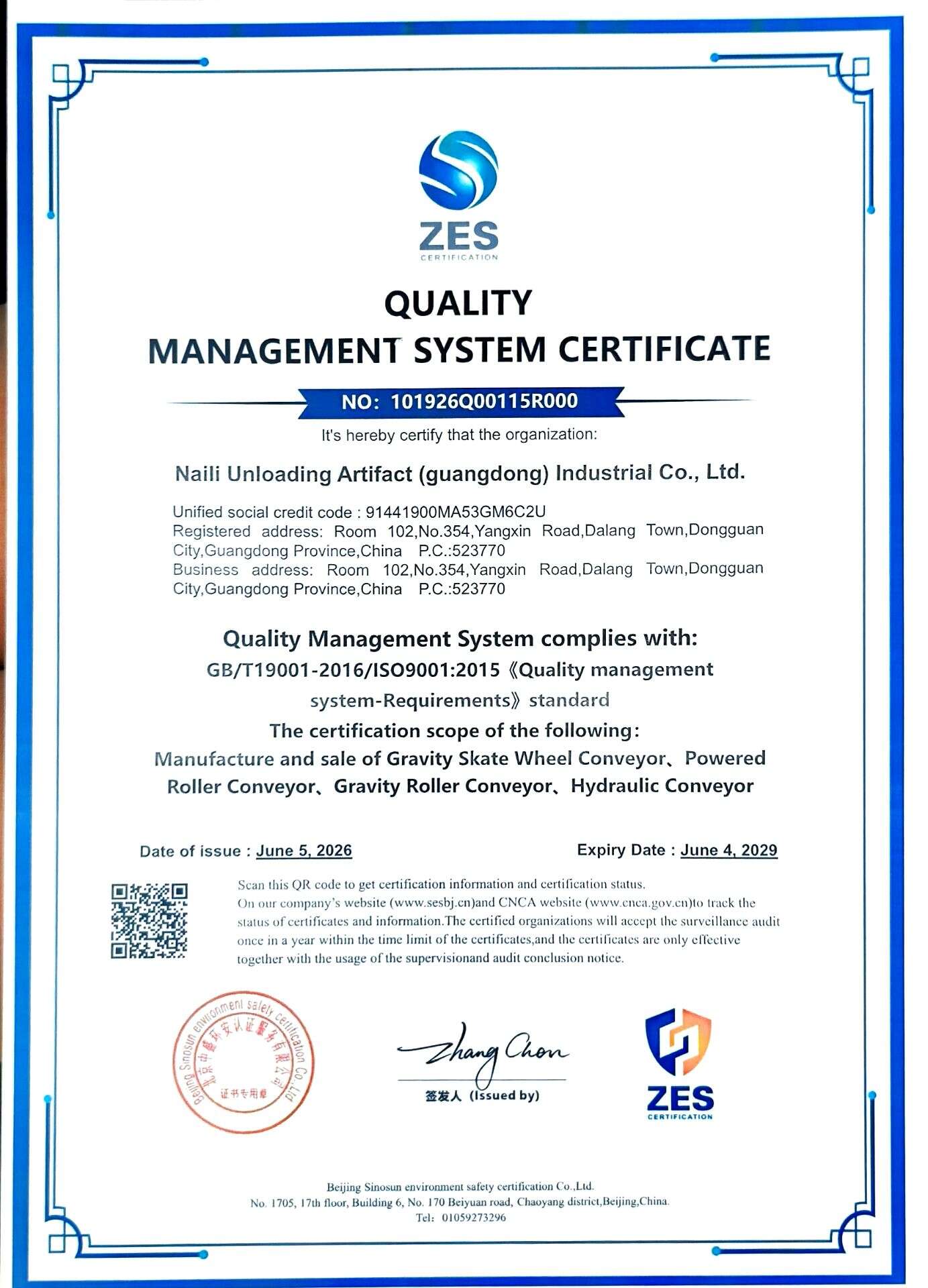
ISO Certificate - English

ISO Certificate - English

PDF
TUV Certificate

TUV Certificate

PDF
CCTV-2 Finance Channel Broadcast Honor Certificate

CCTV-2 Finance Channel Broadcast Honor Certificate

PDF
Actual Photos & Videos

Gravity Skate Wheel Conveyor Case Videos

View equipment structure, on-site status, and operational details through galleries and videos.

Actual Photos & Videos

Product Guide Videos

Get a quick overview of this product’s configuration and operating essentials through selection, installation, and usage videos.

Factory Strength

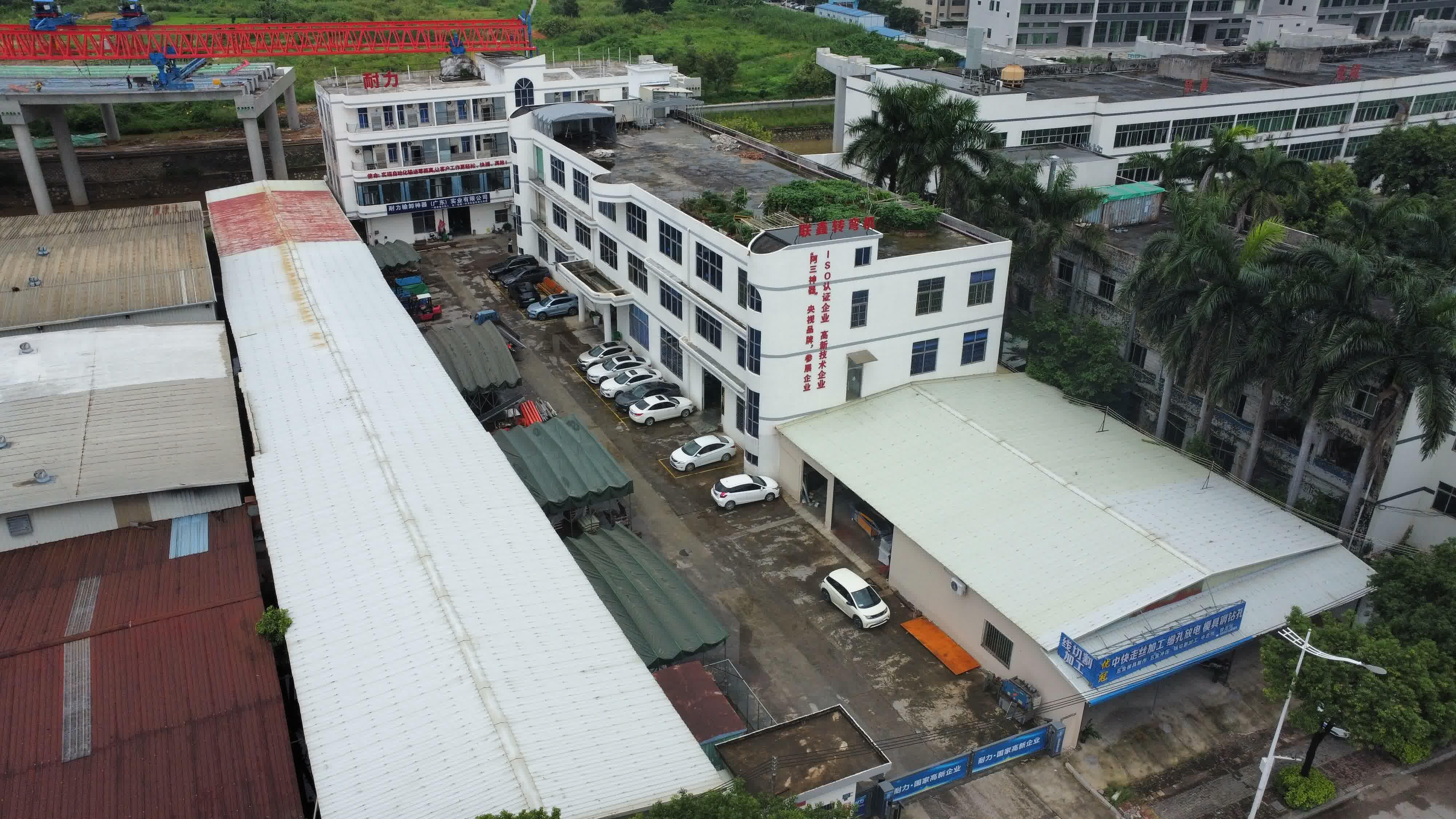
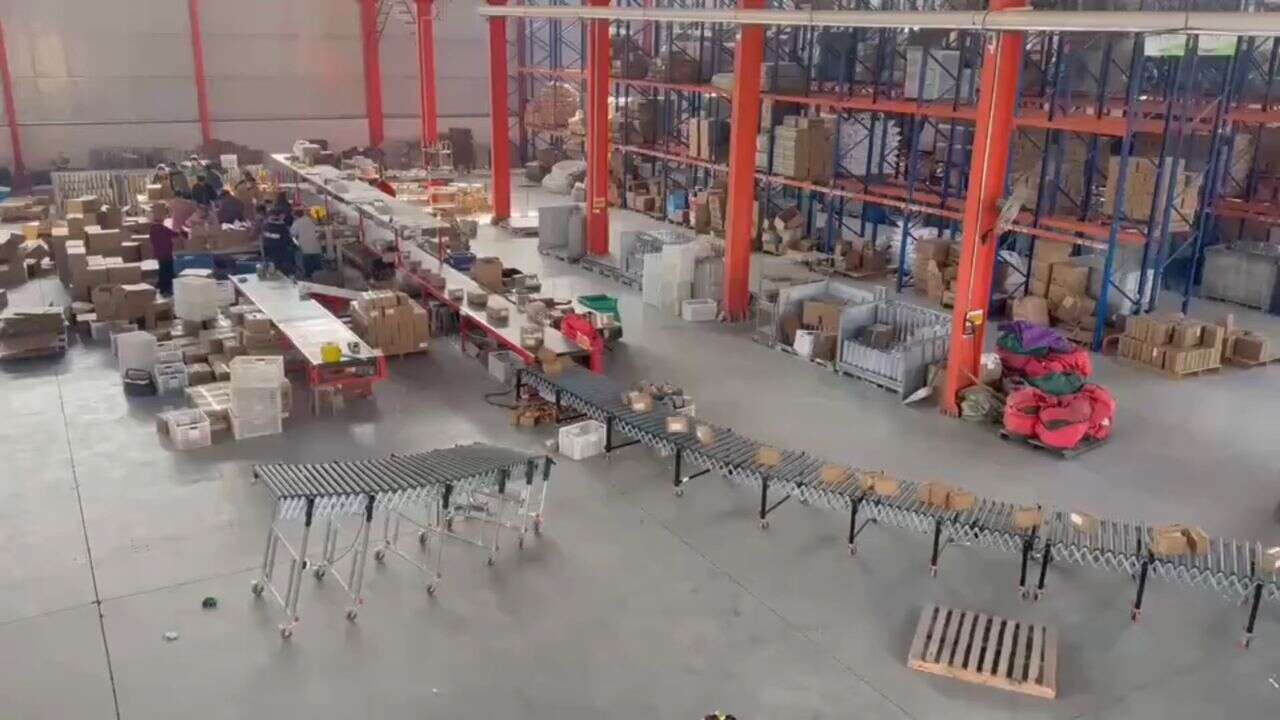
Learn about production equipment, workshop environment, processing capacity, and quality control through real photos and videos.

工厂图片 3
Image

工厂图片 3

工厂主图
Image

工厂主图

工厂图片 1
Image

工厂图片 1

工厂图片 2
Image

工厂图片 2

工厂图片 4
Image

工厂图片 4

Specifications

Specifications & Technical Data

View core parameters, structured specifications, and downloadable materials by model.

Gravity Skate Wheel Conveyor Technical Specifications

GSWC-2.1

Conveyor Knowledge

Large Truck Loading and Unloading Large Hydraulic Conveyor + Roller Line

The Large Hydraulic Conveyor is configured with 9 sections of rubber-covered Multi-Wedge Belt Powered Roller Conveyor to achieve a total coverage length of 10 meters, suitable for loading and unloading operations with 9.6m and 13m truck beds. The rubber-covered design provides anti-slip performance, the lower platform height is adjustable, and compared with medium-sized equipment, the load capacity is significantly improved, effectively increasing the loading and unloading efficiency of 50kg bagged goods.
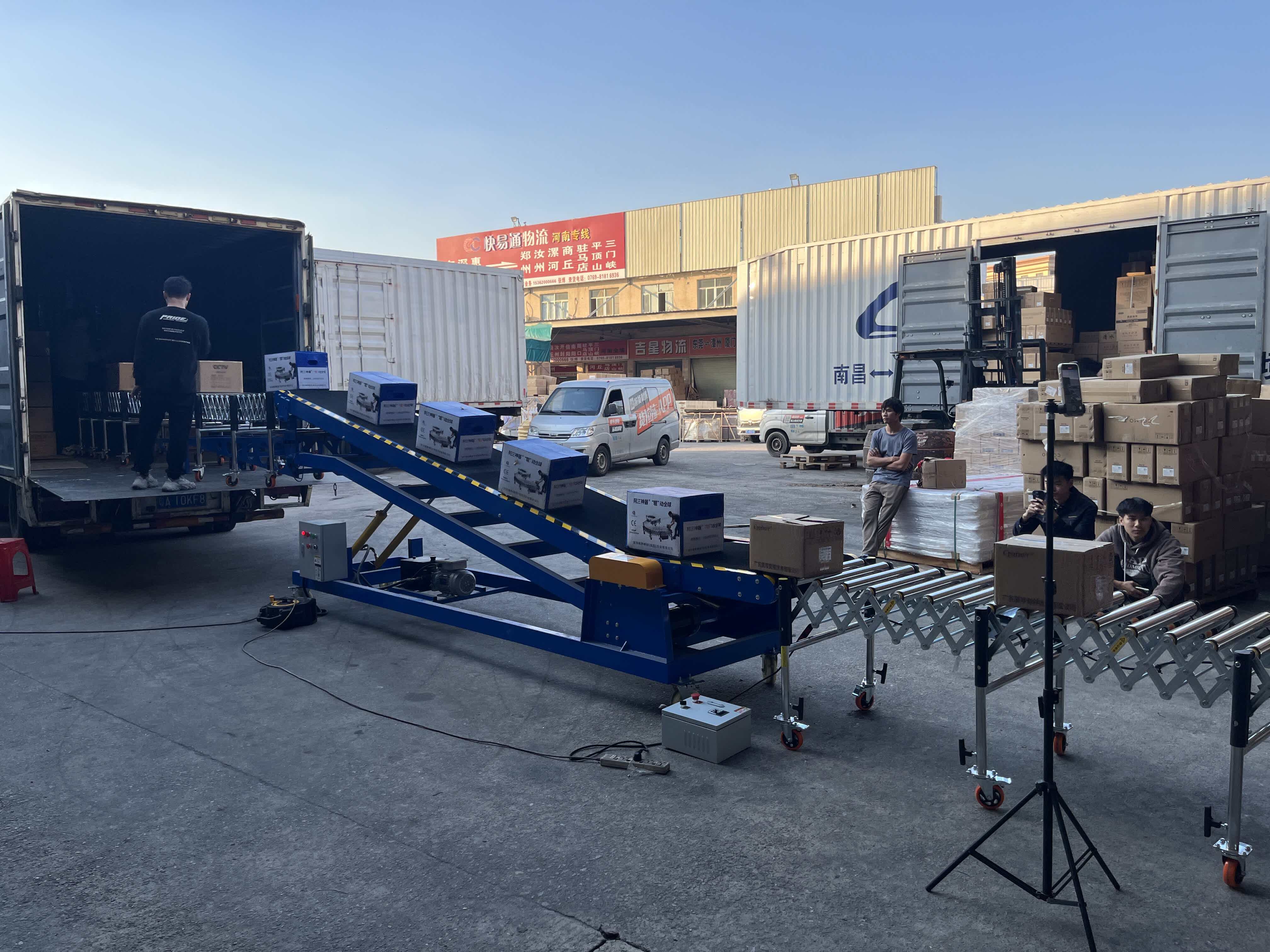
Large Truck Loading and Unloading Large Hydraulic Conveyor + Roller Line
Publish Date: 2026-03-23

In large cargo compartment loading and unloading, traditional manual handling faces low efficiency and high labor intensity. The combination of a heavy-duty incline conveyor with a 9-section rubber-coated multi-wedge belt driven roller conveyor provides a mechanized solution for 9.6-meter and 13-meter compartments. By extending the conveying distance and improving load capacity, this configuration greatly enhances the handling efficiency of heavy items such as 50kg bagged goods.

Configuration features of the heavy-duty incline conveyor paired with a 9-section rubber-coated multi-wedge belt driven roller conveyor

Analysis of the equipment combination structure

The combination of the heavy-duty incline conveyor and the 9-section rubber-coated multi-wedge belt driven roller conveyor adopts a modular design. With each section measuring 1.1 meters, the fully extended roller conveyor reaches a total coverage length of 10 meters. This setup can extend directly to the front of a 9.6-meter compartment, providing sufficient operational space for loading and unloading.
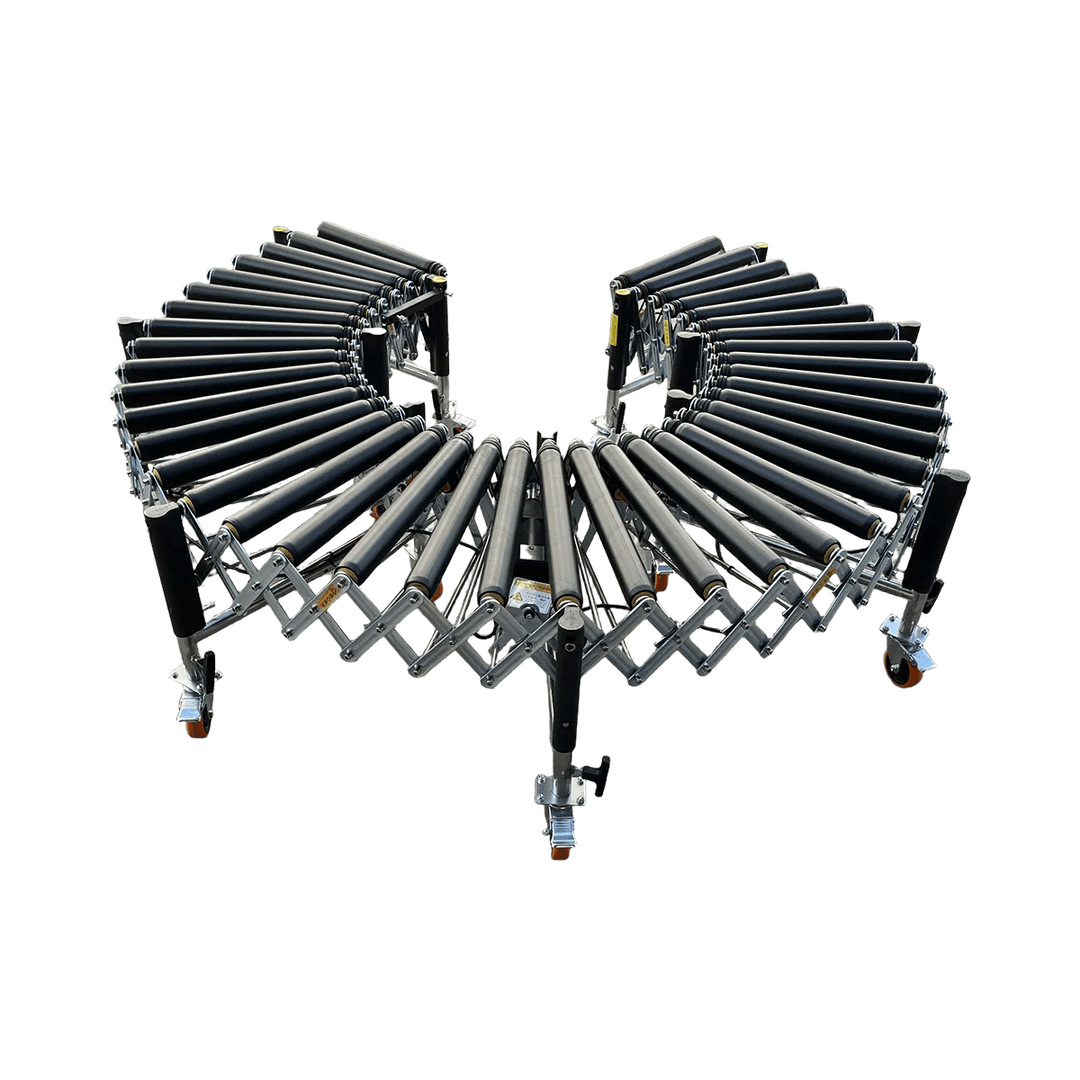
Multi-Wedge Belt Powered Rubber-Covered Roller Conveyor

Multi-Wedge Belt Powered Rubber-Covered Roller Conveyor

The multi-wedge-belt Powered Rubber-Covered Roller Conveyor is specifically designed for the smooth conveying of bagged goods. It uses multi-wedge-bel…

The rubber-coated multi-wedge belt driven roller conveyor uses a multi-wedge belt drive system, offering smoother operation compared to chain drives. The rubber coating on the roller surface not only provides good friction but also protects the cargo surface from scratches. The support structure of the heavy-duty incline conveyor is reinforced to withstand higher loads and continuous operation.

Load capacity and conveying distance advantages

The heavy-duty incline conveyor significantly improves load capacity over medium-duty models. The lower platform uses a manual adjustment mechanism that can be precisely set to match the height of different compartments, ensuring the conveyor meets the compartment floor at an appropriate angle. This design allows the equipment to adapt to trucks of various specifications, enhancing versatility.
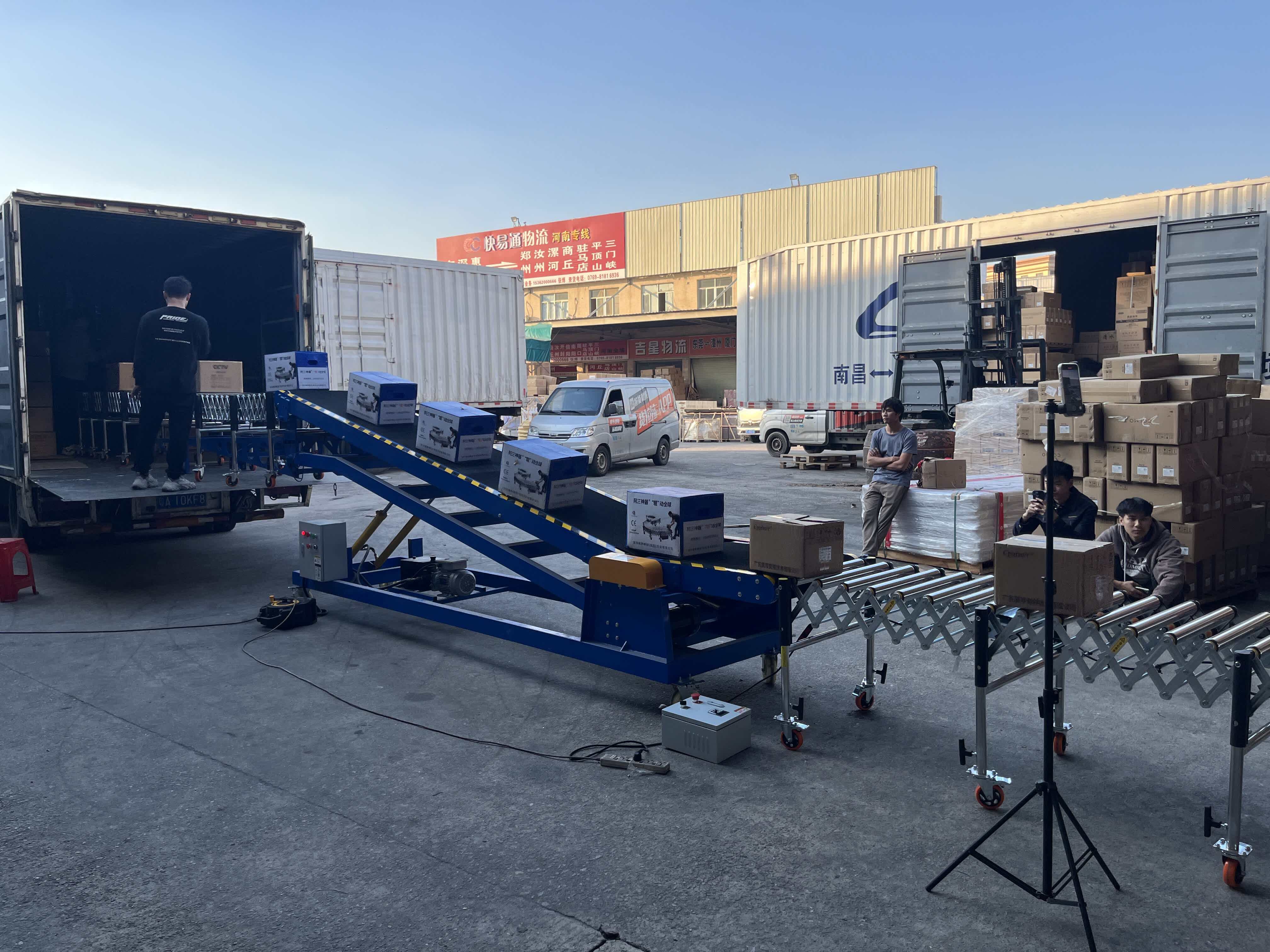
Medium-duty incline conveyor + roller conveyor cargo handling

The 9-section roller configuration provides a total coverage length of 10 meters, satisfying the loading and unloading requirements of 9.6-meter compartments while also delivering effective coverage for 13-meter compartments. The rubber coating improves grip and significantly enhances anti-slip performance, especially when handling bags with smooth surfaces.

Compatibility analysis for loading and unloading 9.6-meter and 13-meter compartments

Loading and unloading requirements for different compartment sizes

The 9.6-meter compartment, as the standard configuration for medium-sized freight vehicles, typically requires the conveyor to cover more than 80% of the compartment length. The heavy-duty incline conveyor paired with the 9-section roller conveyor fully meets this demand, and the 10-meter coverage can even reach the front of the compartment, reducing the manual transport distance.

For 13-meter compartments, even though the compartment length exceeds the conveyor coverage, the effective conveying distance of 10 meters still covers 77% of the compartment length, greatly reducing the area requiring manual handling. In actual operations, operators only need to perform short-distance manual transfers at the front of the compartment.

Equipment configuration and compartment matching plan

The height adjustment function of the lower platform on the heavy-duty incline conveyor is key to matching the compartment. With the manual adjustment mechanism, the platform height can be set to align with the compartment floor, ensuring smooth transfer of cargo from the compartment to the conveyor. This adjustability allows one set of equipment to work with compartments at varying heights.
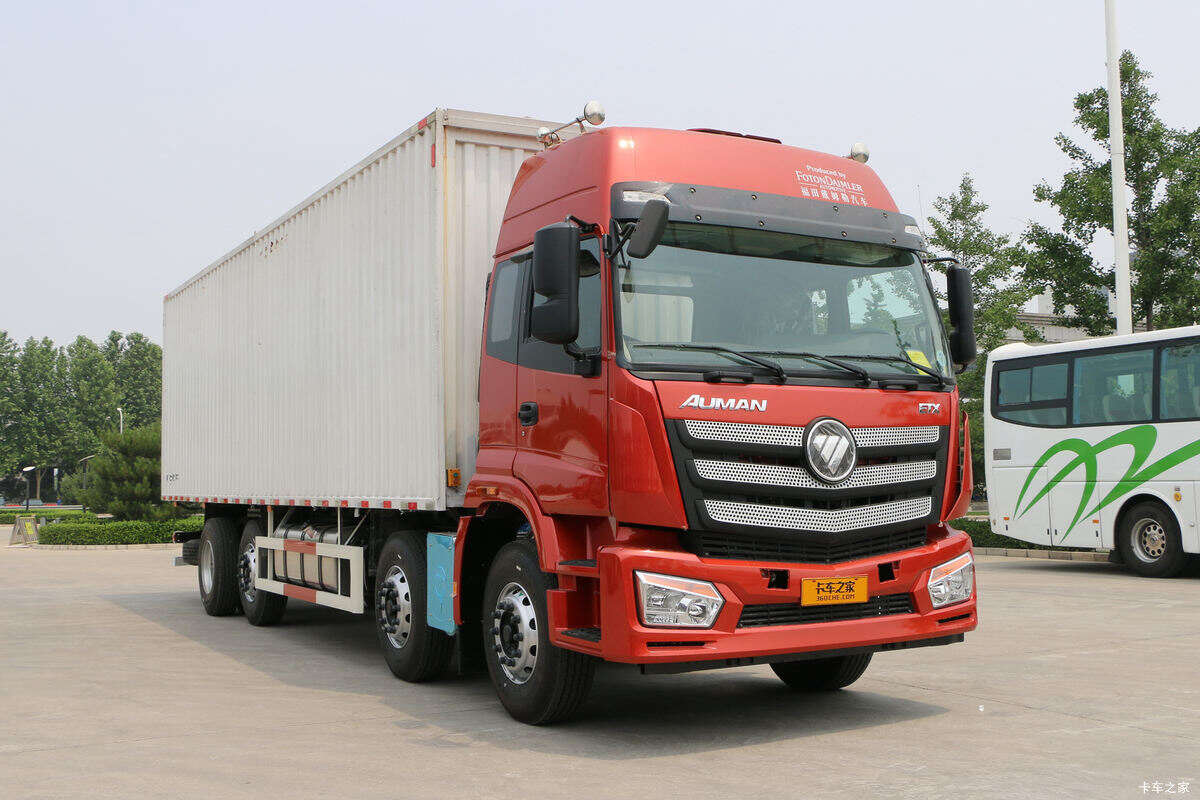
9.6-meter truck
9.6-meter truck

The solution for adjusting compartment height differences relies mainly on the incline angle and platform height adjustment of the incline conveyor. For standard trucks, the platform height is typically set between 1.2 and 1.5 meters, while for low-chassis vehicles it can be lowered further. Efficient use of loading and unloading space is achieved through reasonable equipment layout and operational workflow design.

50kg bagged cargo handling practice

Characteristics and handling requirements of bagged cargo

50kg bagged cargo plays an important role in logistics, commonly found in industries such as grain, chemical raw materials, and building materials. These items are characterized by heavy single-piece weight, irregular shapes, and varying surface materials. Stability on the roller conveyor mainly depends on the bag material and the friction coefficient of the roller surface.

The rubber-coated surface protects bagged cargo in several ways. First, the elasticity of the coating cushions the contact impact between the cargo and the roller, reducing abrasion to the packaging. Second, the textured surface of the coating provides appropriate friction to prevent the cargo from shifting during conveying.

Key cooperation points for manual operation

During the handling of 50kg bagged cargo, coordinated manual operation is essential. Operators need to master proper placement techniques to ensure the bags remain stable on the rollers. In general, the cargo should lie flat on the rollers, avoiding suspended or tilted placement.

Medium-duty incline conveyor + roller conveyor efficiency video

Balancing loading and unloading efficiency with safety requires standardized procedures. Operators should control conveyor speed to prevent instability caused by excessive velocity. At cargo transfer points, install buffer zones to ensure smooth transitions. For heavy cargo, it is recommended to operate with two people for enhanced safety.

Application advantages of the heavy-duty configuration compared to conventional medium-duty incline conveyors

Load capacity comparison analysis

The support structure of the heavy-duty equipment uses thicker steel and a denser reinforcement rib design, capable of bearing greater static and dynamic loads. During continuous operation, the heavy-duty model delivers superior stability and durability.

The 9-section roller configuration offers a clear advantage in conveying distance compared to the 6-section setup. While a 6-section layout usually provides only 6.6 meters of coverage, the 9-section version reaches 10 meters, increasing the coverage area by 51%. This distance advantage is especially important for loading large compartments, significantly reducing manual labor.
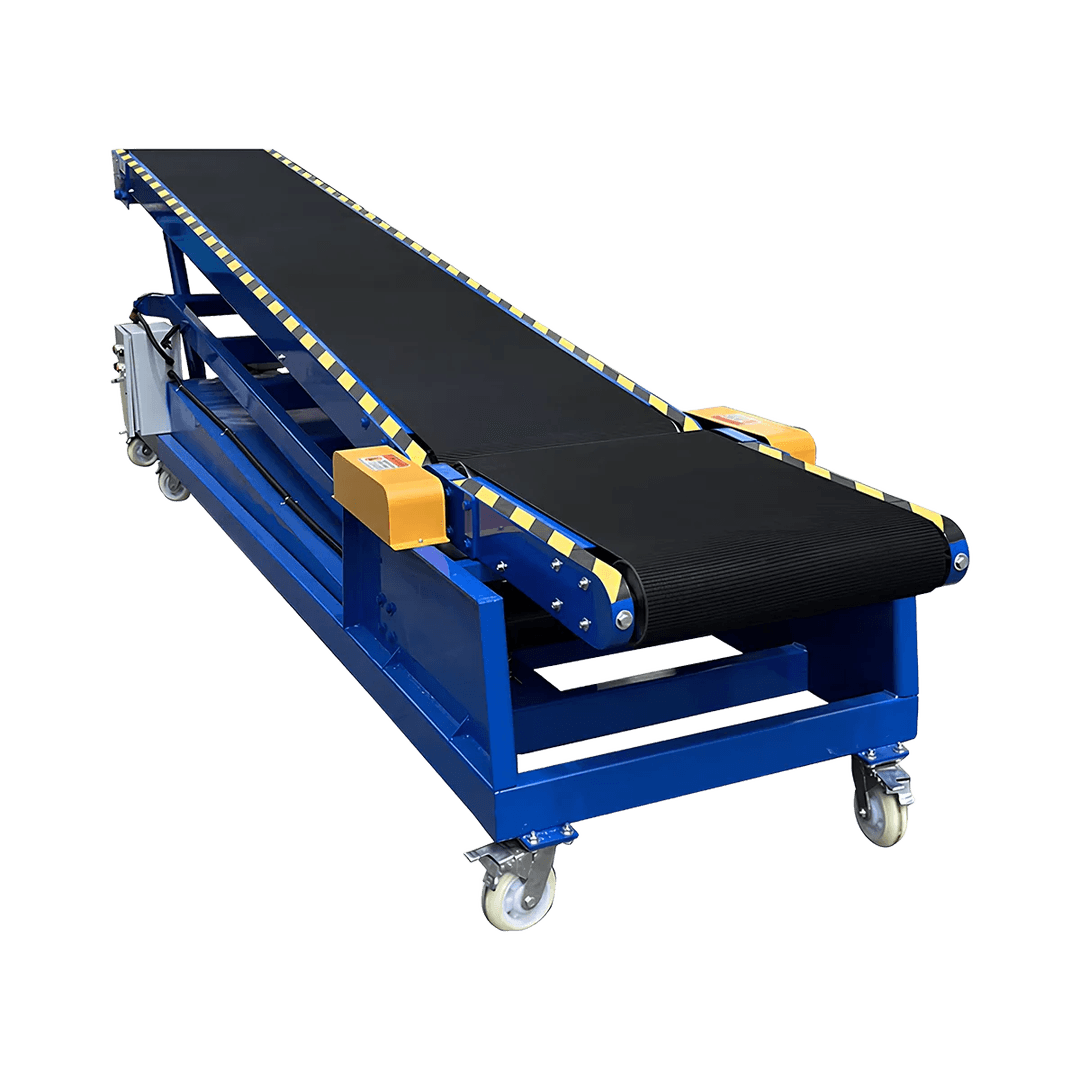
Hydraulic Conveyor Series

Hydraulic Conveyor Series

The hydraulic lifting conveyor is designed specifically for warehouses, factories, and logistics sites without loading docks. It enables smooth and sa…

Operational efficiency improvement effects

The stability of the heavy-duty equipment during continuous operation is reflected in multiple aspects. Stronger structural strength reduces deformation and vibration under heavy loads. Additionally, the heavy-duty motor and drive system provide a steadier conveying speed, minimizing fluctuations caused by load variations.

Efficiency gains in large-volume cargo handling mainly come from reducing manual transport distance and improving conveying continuity. When handling 50kg bagged cargo, the heavy-duty configuration can cut manual transport distance from 9.6 meters to less than 3 meters, increasing efficiency by about 70%. Analysis of equipment return on investment and operational costs shows that although the heavy-duty configuration requires a higher initial investment, its efficiency advantages quickly recoup the costs in high-volume, frequent loading operations.

Frequently asked questions

Q: Which compartment specifications suit the heavy-duty incline conveyor equipped with a 9-section roller conveyor?
A: It is primarily suitable for 9.6-meter and 13-meter compartments. The 10-meter coverage fully meets the requirements of a 9.6-meter compartment and provides 77% effective coverage for a 13-meter compartment, significantly reducing manual handling distance.

Q: What protection does the rubber-coated roller offer cargo?
A: The rubber-coated surface has excellent elasticity and friction performance, cushioning the contact impact between cargo and roller, preventing packaging abrasion, and providing sufficient grip to stop cargo from slipping—ideal for bagged goods.

Q: What advantages does the heavy-duty configuration have over medium-duty equipment?
A: The heavy-duty configuration offers significant improvements in load capacity, structural stability, and conveying distance. The 9-section roller increases coverage by 51% compared to the 6-section model, and the reinforced structure ensures stability during continuous operation.

Q: What should be noted when handling 50kg bagged cargo?
A: Manual coordination is needed to ensure the cargo lies steadily on the rollers, control the appropriate conveying speed, and set up buffer zones at transfer points. Heavy cargo should ideally be handled by two people to ensure safety.

Q: What is the height adjustment range of the equipment?
A: The lower platform uses a manual adjustment mechanism, typically ranging from 1.2 to 1.5 meters, allowing it to meet the height needs of different compartments and ensuring the conveyor aligns properly with the compartment floor.

Contact Sales Manager

Contact Person Mr. Chen (Jim Chen)Sales Manager

WeChat
18028941262
WhatsApp
+86 18028941262
Phone
+86 18028941262
Email
jim@naili.ltd
Brand Name
Naili Conveyor | Naili Unloading
Company Name
Naili Unloading Artifact (Guangdong) Industrial Co., Ltd. (Naili Unloading Artifact (Guangdong) Industrial Co., Ltd.)

Factory Strength

Learn about production equipment, workshop environment, processing capacity, and quality control through real photos and videos.
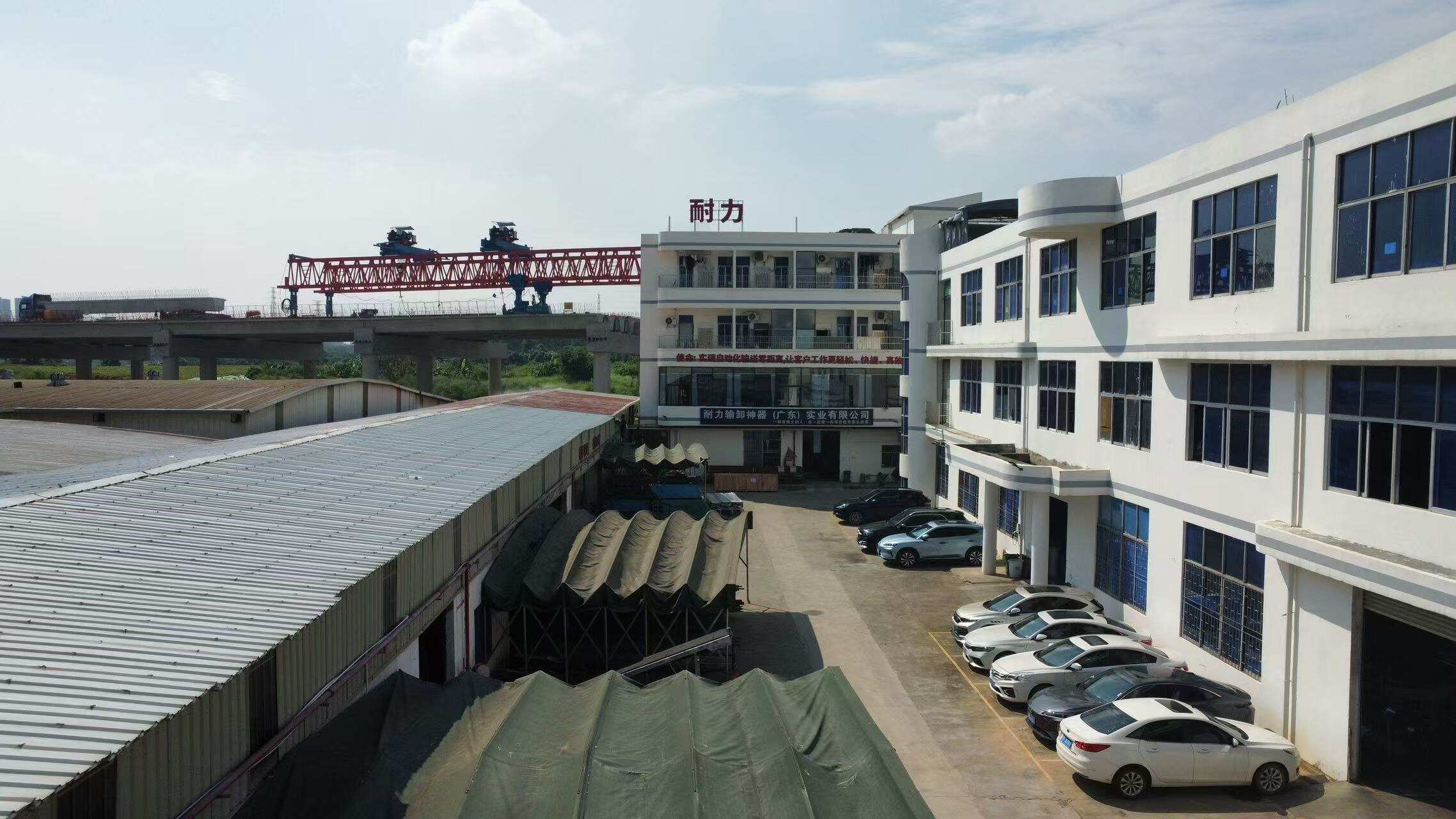
工厂图片 3
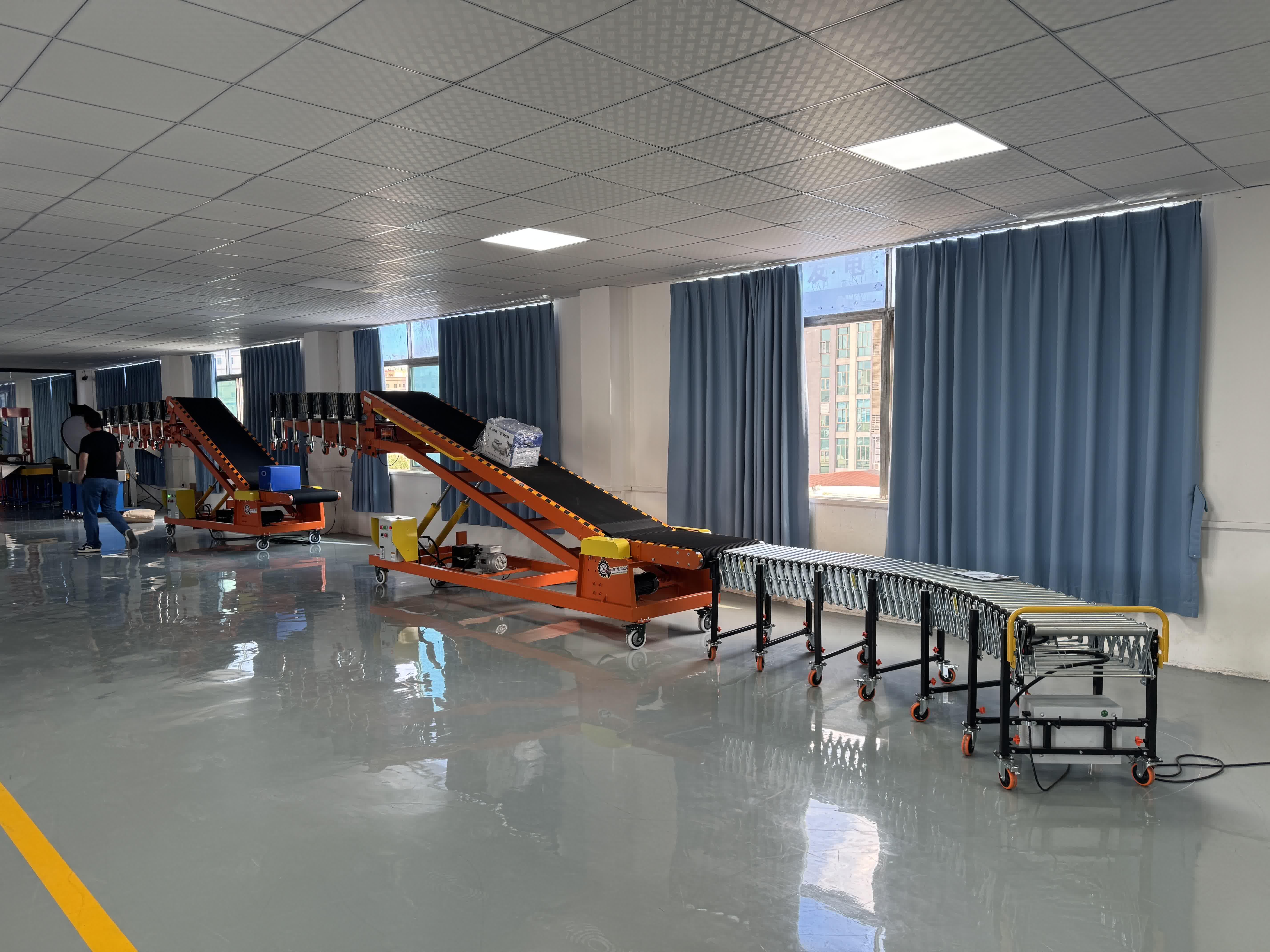
Image

工厂图片 3

工厂主图
Image

工厂主图

工厂图片 4
Image

工厂图片 4

工厂图片 1
Image

工厂图片 1

工厂图片 2
Image

工厂图片 2

Related Articles

View All
Analysis of the Throughput Capacity of Loading and Unloading Conveyors

Analysis of the Throughput Capacity of Loading and Unloading Conveyors

The overall throughput capacity of a loading and unloading conveyor is usually determined by two core factors: mechanical conveying capacity (theoretical conveyance limit) and manual loading/unloading efficiency (actual operating output).
Gravity Skate Wheel Conveyor vs. Roller Conveyor: Loading Site Selection Comparison and Practical Guide

Gravity Skate Wheel Conveyor vs. Roller Conveyor: Loading Site Selection Comparison and Practical Guide

The Gravity Skate Wheel Conveyor is suitable for light loads, short distances, and rapid deployment, while roller conveyors offer stronger load capacity, adapt better to irregular goods, and support inclined conveying. This article explains how to choose from the perspectives of load, structure, cargo type, and cost.

Telescopic conveyors for container loading

Telescopic conveyors for container loading

Telescopic conveyors for container loading are used to load 20-foot containers and 40-foot trailers, bridging the gap between the dock and the trailer interior. They reduce the need for personnel to enter the container for handling, improve continuous loading efficiency, and lower labor intensity and operational risk.

Whether Gravity Skate Wheel Conveyor is really suitable for your unloading scenario depends first on whether the "bottom surface of the goods and the manual pace" match

When people on site say they "want unloading to be a bit faster, " many first think of adding power or electric control. But Gravity Skate Wheel Conveyor, also often called an unpowered skate wheel conveyor section, is not meant to "match the production line tempo"; rather, it is meant toshorten the distance of manual handling, turning the back-and-forth actions of "carry—walk—place—return" into more continuous pushing and handoff with fewer steps.

To put it more plainly: Gravity Skate Wheel Conveyor puts the rhythm in people’s hands. If people push smoothly, it runs smoothly; if the aisle order and positioning get messy, it will get messy too. This is also why it is so common in warehouses and logistics centers—when temporary setups, changing aisles, and non-fixed truck models are involved, this kind of equipment that "follows the site" becomes even more necessary.

The first threshold is always the goods themselves, especiallythe bottom surface of the goods. Gravity Skate Wheel Conveyor prefers boxed items with a flat bottom and a certain level of structural rigidity (typically cartons). If the bottom is uneven, prone to collapse, or the outer packaging has protrusions or hanging points, the skate wheel assembly becomes very "picky": at best it will vibrate and deviate, and at worst it will jam or tip over, ultimately ruining the unloading rhythm.

The basic capabilities of this model group should be kept in mind first: it is intended for unloading/transfer of goods with flat bottoms; the conveying load is 50 kg per meter; common effective widths are 500, 600, 800, and 1000 mm; the folding ratio is 1: 5, making the structure compact and convenient for temporary placement and quick storage in warehouse areas; and it supports arbitrary extension and turning to cope with changes in truck depth and uncertainty in aisle direction changes.

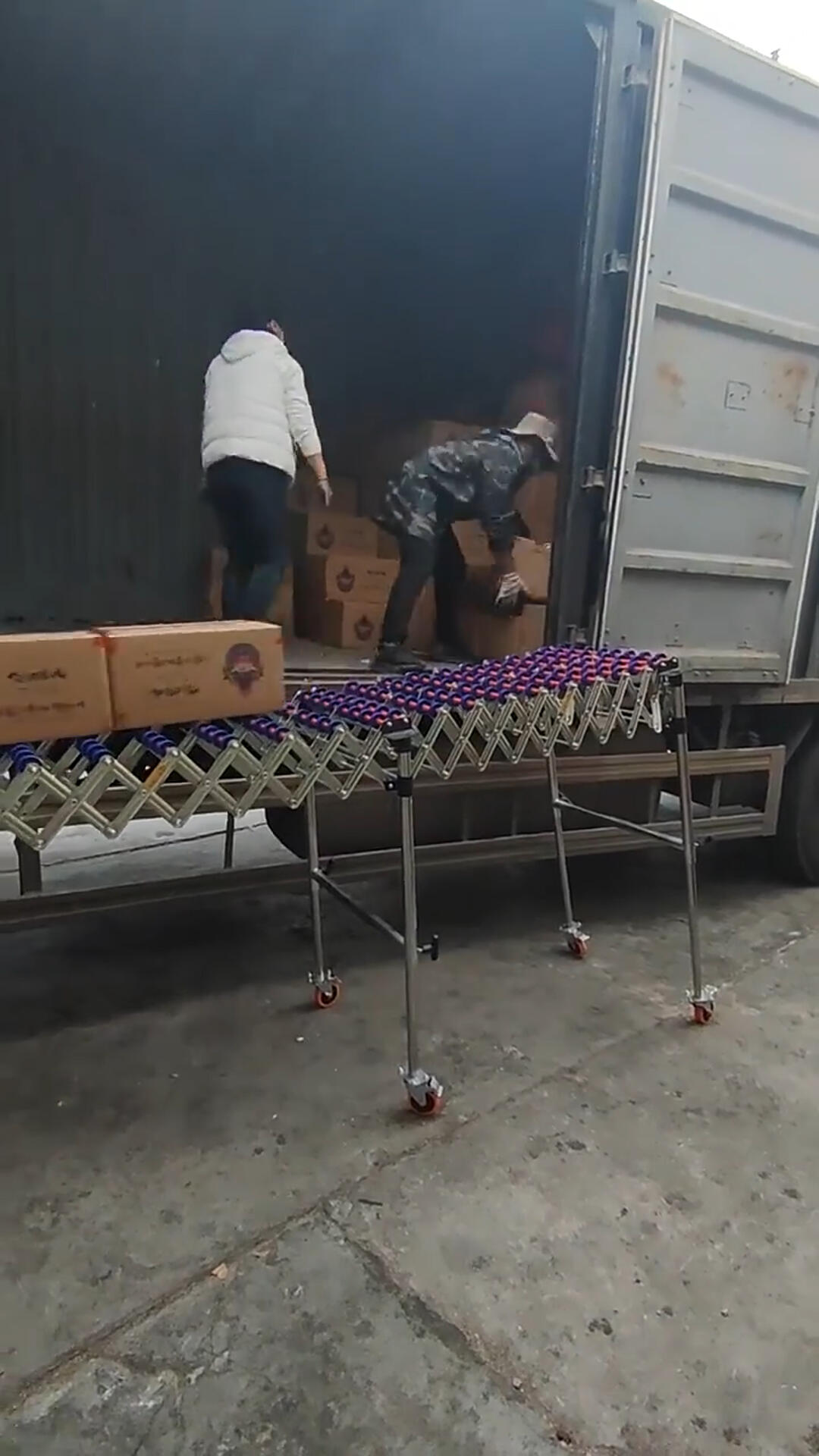
Gravity Skate Wheel Conveyor truck unloading process

If what you are looking for is the kind of stable pace that "automatically sends cartons away evenly so the equipment behind doesn’t get blocked or have to wait, " then what is closer to your expectation is Powered Roller Conveyor of this type of powered line; while Gravity Skate Wheel Conveyor is more like a reliable front-end handoff that makes unloading continuous and reduces the need for people to run back and forth.

In which scenarios is Gravity Skate Wheel Conveyor more worth prioritizing, and in which cases should you decisively change direction

The most cost-effective time for Gravity Skate Wheel Conveyor usually appears in the awkward zone between the truck opening and the warehouse aisle: the distance is short, but repeated carrying consumes the most labor; the pace does not need to be strictly synchronized, but the action needs to be continuous.

For example, for carton goods being unloaded quickly at the truck opening, temporarily brought into the warehouse, or transferred manually over short distances, Gravity Skate Wheel Conveyor can turn "carrying it a few steps" into "pushing it along smoothly." Especially in warehouse areas where aisles change often, storage is frequently needed, and today you work from the left while tomorrow you work from the right, its compact folding and flexible mobility advantages become very obvious. If you want to first sort out the common boundaries of this type of equipment, you can start from Gravity Skate Wheel Conveyor category page to further explore ideas for different structural combinations.

Another advantage of it in transitional sections is its "adaptability to uncertainty": when truck depths vary, extension lets the equipment reach deeper positions; when platform columns, stacking areas, and temporary isolation barriers often block the way, turning means the route does not have to be forced straight just because of the equipment.

But in some situations, you should decisively switch approaches and not force it.

  • Goods whose bottoms are easily damaged, with soft and collapsing outer packaging, or irregular shapes (bagged items, bulging packages, packages with ribs or hanging points at the bottom): the skate wheel structure is more sensitive to bottom-surface conditions, and jamming and falling are not a matter of "luck, " but risks determined by the structural characteristics.
  • If what you need is continuous, high-cycle throughput with strong upstream/downstream coordination, the fluctuations of fully manual pushing will be amplified, eventually showing up as "very fast at the front, but jammed at the back" or "wanting to speed up at the back, but the front cannot keep up." At that point, it is better to hand the main line over to a powered section, such as Multi-rib belt Powered Roller Conveyor to handle stable conveying, while placing the skate-wheel section at a more suitable temporary front end.

If the goods themselves are not suitable for rolling on the wheel surface, but you still need a non-powered, more structurally "stable" solution, a common alternative is Gravity Roller Conveyor: it is often more tolerant of bottom-condition variations, but it differs in space usage and handling feel when it comes to turning and flexible layout.

What really determines whether a Gravity Skate Wheel Conveyor works well is not "whether it is telescopic, " but the upstream/downstream handoff and the human-machine collaboration chain

When many people choose a Gravity Skate Wheel Conveyor, they first ask, "Can it be telescopic? Can it turn?" But whether it runs smoothly in real use is often a chain issue: the loading dock conditions, the in-warehouse handoff method, the operator positions, and the receiving area. Missing any one of these will offset its advantages.

Start with the loading dock. The truck bed height, threshold/tailgate, and whether the platform is level will directly determine the equipment’s entry angle and insertion depth. If the angle is uncomfortable, workers will have to lift it frequently; too much lifting breaks the continuity of movement, and outer cartons are more likely to be bumped. If your truck beds are deep, vehicle types vary a lot, and you want to make "reaching deep into the truck bed" easier, many sites will hand the main task over to Telescopic Conveyor, while the Gravity Skate Wheel Conveyor is used more for outer-side handoff or temporary diversion.

Next, look at the warehouse end. Does the end drop directly into a staging area, or does it need to connect to a fixed in-warehouse line? This determines whether you need straight sections, turning sections, and whether the end guide and buffer space are sufficient. When connecting to a fixed line, powered lines usually make it easier to form controllable buffering and diversion, for example by handing the rear section over to chain-driven Powered Roller Conveyor for stable conveying, while the front skate-wheel section is responsible for "getting the boxes into position.".

Human-machine collaboration is the third hidden chain. A Gravity Skate Wheel Conveyor puts the pace in human hands: pushing, positioning, correction, and pace control all depend on operator movement. As long as upstream unloading speed and downstream receiving speed are not aligned, the first things to appear are not equipment failures, but congestion, backflow, occupied lanes, and even "throw-and-drop" actions that damage outer cartons. If you have already anticipated in your plan that "manual pace control" will become the bottleneck, then you should bring the powered section into the main plan earlier, for example by using Powered Rubber-Covered Roller Conveyor to turn traction and friction into equipment capability, rather than relying on an experienced worker’s feel.

Turning is especially worth explaining clearly: it improves lane adaptability, but it is more sensitive to carton posture, stacking stability, and pushing actions. Many sites feel that "turning sections are more likely to go wrong"; in fact, it is not that turning itself is "bad, " but that there is no buffer provided before and after the turn, causing the turning action to directly conflict with the upstream unloading action. If you really need to make a turning inbound setup in a crowded lane, take a look at "Fireworks Unloading: Gravity Skate Wheel Conveyor Turning Inbound" case for a more intuitive view: with boxed goods, how the turning section leaves room and how operators are positioned are often more important than the equipment name itself.

Where the price differences for Gravity Skate Wheel Conveyor usually come from: clarify the requirements, and price discussions become comparable

The price differences for a Gravity Skate Wheel Conveyor often are not about "who is charging more, " but about the different assumptions behind the inquiry: do you want it to serve as a temporary front end, or do you want it to carry the main channel? Do you need a short straight handoff, or do you need telescoping, turning, frequent movement, and compact storage? All of these widen the structural complexity.

First put the most critical variables on the table: different combinations of effective width (500/600/800/1000 mm) and length lead to different on-site passability and different tolerance for a single push; and the more combinations you add of "telescoping + turning + foldable storage, " the more clearly the structural design and usage boundaries need to be explained. If you are confirming this Gravity Skate Wheel Conveyor and deciding how far it should go, treating it as a "model group" often saves more time than treating it as "one fixed specification.".

Second, operating conditions need to be translated into pricing language, not just summarized as "for unloading." Truck type and dock conditions determine the entry angle; lane width and turning space determine whether the turning section can really work; whether frequent movement and quick storage are required determines the structural trade-offs; and whether it needs to connect with an existing line determines the end guidance and buffering approach. Many customers compare the Gravity Skate Wheel Conveyor with telescopic equipment here. If your goal is "more controllable pace, deeper reach, and fewer people walking inside the truck bed, " then you may as well put the comparison target directly at 4-section Telescopic Conveyor or 3-section Telescopic Conveyor—the discussion will be more focused.

Another variable that is often overlooked is usage intensity: different peak unloading frequencies and durations lead to different wear expectations for the wheel sets and structure. Although both are called "unloading, " some warehouses handle only a few trucks a day in an intermittent manner, while others operate continuously within a concentrated time window—if the latter still treats the equipment as something "temporary, " it will easily end up becoming "harder and harder to use, and more chaotic the more you rush.".

Finally, shift the comparison from "the equipment itself" to "labor and pace": the advantage of a Gravity Skate Wheel Conveyor is reducing walking distance and improving movement continuity; the advantage of a powered line is stable pace and coordination. If you compare both using "size, length, and width, " it is very easy to become more confused the more you compare.

The implementation boundaries most likely to be overlooked before launch: lanes, slopes, height differences, and safety control

A Gravity Skate Wheel Conveyor looks very flexible on the drawing, but once it is on-site, what determines the "smooth feel" is often the lane and the floor.

Start with the lane. Turning can indeed go around obstacles, but it takes up more lateral space; when the lane and the storage area crowd each other, the more flexible the equipment is, the more easily it is interfered with by temporary stacking, and continuous unloading becomes stop-and-go. If your warehouse already often "stacks while unloading, " you need clearer lane boundary management, combined with Double Wing Conveyor to stabilize the on-site organization of loading and unloading positions more effectively.

Looking again at floor conditions, they are the source of pushing resistance and box attitude. Uneven floors, seams, and potholes will amplify vibration and resistance, and the box is more likely to yaw on the wheel surface, so staff will use greater force to correct it—once fatigue builds up, tossing, collisions, and outer-carton wear will also increase. If your warehouse floor conditions fluctuate greatly, or the bottom of the outer carton is already relatively soft, many sites will tend to use Powered Rubber-Covered Roller Conveyor to improve the controllability of friction and traction, turning "pushing it smoothly by feel" into "letting the equipment carry it along.".

Height differences and slopes are the core of safety and continuity. Once there is a height difference, speed changes and impact risks appear; poor transition handling can easily cause tipping or falling. At that point, the main contradiction is no longer "whether unloading saves steps, " but "how to cross the height difference." If the site needs to solve uphill loading or cross an obvious height difference, prioritize the main equipment in the chain on Hydraulic Conveyor or Vertical Conveyor for a more reliable setup—Gravity Skate Wheel Conveyor is better suited as the connecting section at both ends.

The connection at the truck opening is often underestimated as well: thresholds, tailgate boards, and platform height differences can make the same machine perform completely differently on different trucks. Many people think "it’s fine as long as the equipment is right, " but the experience gap often comes from these details. If you want to first compare the real-world difficulties of "truck opening docking, " "the case "Gravity Skate Wheel Conveyor Docking Truck Unloading" is worth a look; it clearly shows the relationship between docking height, insertion depth, and staff positioning.

Maintenance and risk points: how the "smooth feel" of Gravity Skate Wheel Conveyor is maintained in high-frequency operations

What Gravity Skate Wheel Conveyor fears most is not "breaking down all of a sudden, " but "becoming more and more difficult to push as it is used." This change directly affects takt time: with the same people and the same boxes, once the pushing feel becomes heavier, movements tend to go out of shape, and the site becomes more prone to rushing, confusion, and collisions.

The most obvious cause is wheel wear and increased rotational resistance. When the wheels are no longer smooth, pushing force increases, and correction actions in turning sections also increase; during peak unloading windows, this difference gets magnified into "the queue gets slower and slower as it unloads." If your goal is a long-term stable takt time rather than a short-term emergency fix, many warehouses position the skate-wheel section as a "temporary front end" and hand the main channel to the more stable Powered Roller Conveyor, leaving more of the "smooth feel" to the power system to maintain.

Telescoping and turning structures are another "cost of frequent movement." Telescoping, moving, and storage create opportunities for dust accumulation, collisions, and misalignment. Once the structure is not smooth, the probability of deviation and jamming in turning sections rises. Common box jams and drops on site are actually the result of a compounding effect: the bottom condition of the outer carton, floor conditions, turning radius, and manual actions amplify one another. What looks like an occasional issue is often multiple factors crossing the line at the same time.

When you find that maintenance pressure keeps rising, or your requirements for takt time keep getting higher, don’t simplify the solution to "add a few more people to correct it." Turning traction and friction into equipment capability is often more economical: for example, switch the key section to Powered Rubber-Covered Roller Conveyor so the equipment can handle bottom-surface differences and floor fluctuations; keep Gravity Skate Wheel Conveyor in the short-link connecting position where it excels most.

If the site also involves obvious height differences, safety pressure will stack on top of maintenance pressure. In that case, handing the lifting section to more specialized equipment will make things much easier, for example using a 50 kg/m Z-type Vertical Conveyor to take on the vertical section and remove the question of whether people can push it steadily from the key contradiction.

Returning from cases and common questions to the decision: whether Gravity Skate Wheel Conveyor should be combined with Telescopic Conveyor, Hydraulic Conveyor, or roller lines

When looking at Gravity Skate Wheel Conveyor, the easiest trap is to look only at the equipment name and not at the chain. You’ll find that even when it’s called Gravity Skate Wheel Conveyor, some sites move so smoothly it feels like the boxes are walking by themselves, while others stop every three steps and the boxes run all over the place. The difference is often not whether it has telescoping, but the docking height, aisle order, receiving area, and whether there is enough clearance before and after the turns.

To see this difference more concretely, you can look at one case from each of two directions.

One is the docking and positioning at the unloading end. The value of the case "Bottled Water Unloading into Warehouse: Gravity Skate Wheel Conveyor" is that it very intuitively shows the contradiction between "continuous pushing" and "end-point receiving and absorption" — boxes (or carton-packed items) are not finished just by being pushed over; the end point must be able to catch the rhythm for the whole chain to run smoothly.

The other is the stability of turning into the warehouse. The case "Gravity Skate Wheel Conveyor Wine Warehouse Unloading Turn" is very suitable for answering a common question: why is a straight section smooth, but a turn makes deviation more likely? The essential reason is usually that turns make the box attitude more sensitive, while people’s movements instinctively become a "quick shove"; if there is no buffer before and after the turn, deviation will occur frequently.

To address common questions and make the decision logic clear, it actually becomes easier:

  • Why are some cardboard boxes smooth while others jam, even though they are the same? It is often caused by a combination of "box bottom condition + floor + wheel-surface cleanliness + human pushing motion." A rough box bottom, many floor seams, and dust on the wheel surface add up to cause jamming.
  • Why does a temporary setup demand more management? Because Gravity Skate Wheel Conveyor hands the takt time over to people; the aisle is occupied, the positioning is unclear, and the receiving area is squeezed out by temporary stacked goods, and the equipment shifts from "helping you save steps" to "forcing you to put out fires everywhere.".

As for whether to combine systems, just grasp the main contradiction and it won’t be difficult:

  • If you need to reach deep into a truck and want more controllable takt time: give the main workload to the telescoping section directly, for example a 2-section Telescopic Conveyor or a 5-section Telescopic Conveyor to handle insertion and continuous conveying, while the skate-wheel section serves as a flexible connection on the outside.
  • If you need to solve a height difference: prioritize putting the main equipment in the chain on climbing or lifting, such as a Medium Hydraulic Conveyor or a 100 kg/m C-type Vertical Conveyor, and then use Gravity Skate Wheel Conveyor or roller lines at both ends for connection.
  • If you need to connect to fixed in-warehouse lines and form a buffering diversion: the rear section is better suited to a powered roller line for connection, for example a multi-rib-belt Powered Roller Conveyor, to stabilize the takt time.

Back to the positioning itself: Gravity Skate Wheel Conveyor excels in short-link operations for bottom-flat goods and human collaboration, especially for unloading at truck openings, temporary warehousing, and scenarios with frequently changing aisles. It does not require you to turn the site into a "standard production line, " but it is also not suitable for being asked to take on the main-line responsibilities of "high takt, strong coordination." Once you understand this, you will be more confident when choosing this Gravity Skate Wheel Conveyor: when it is time for it to take the stage, it can make unloading neat and efficient; when it should not be forced to shoulder the load, making it more and more complicated will only make the site more tiring.

Gravity Skate Wheel Conveyor for Truck Unloading