


Gravity Roller Conveyor 6
Gravity Roller Conveyor Series

Gravity Roller Conveyor

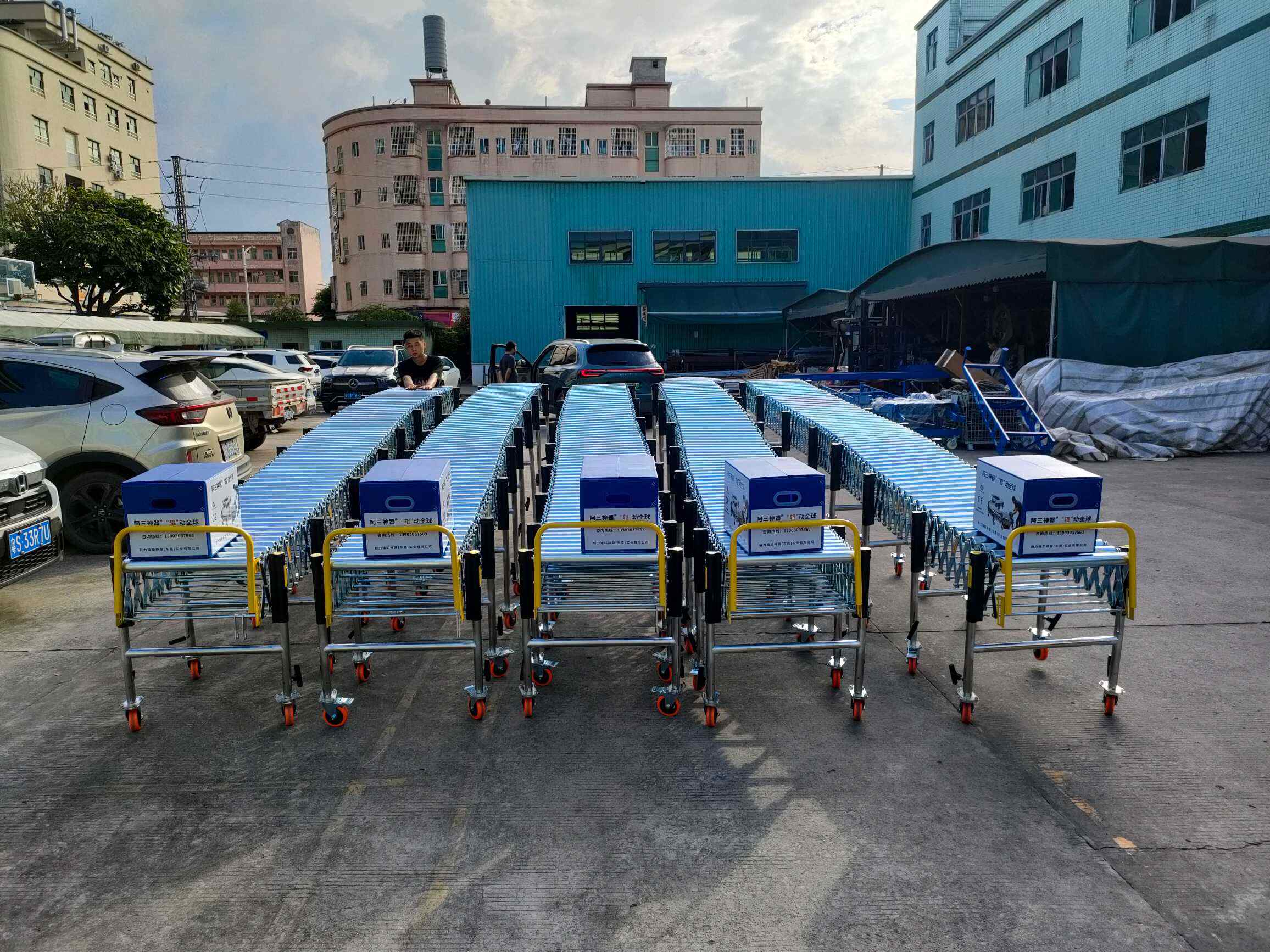
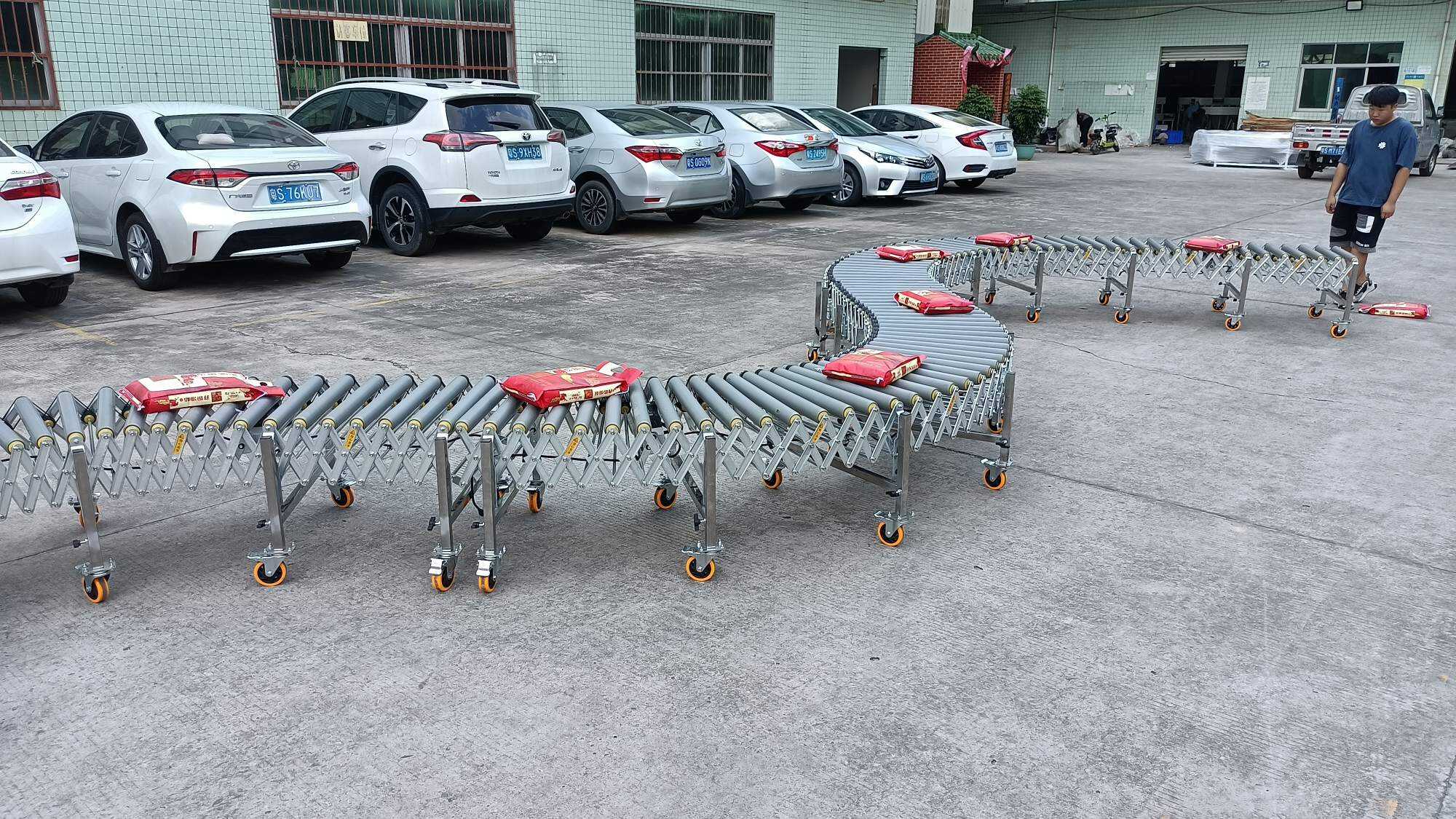
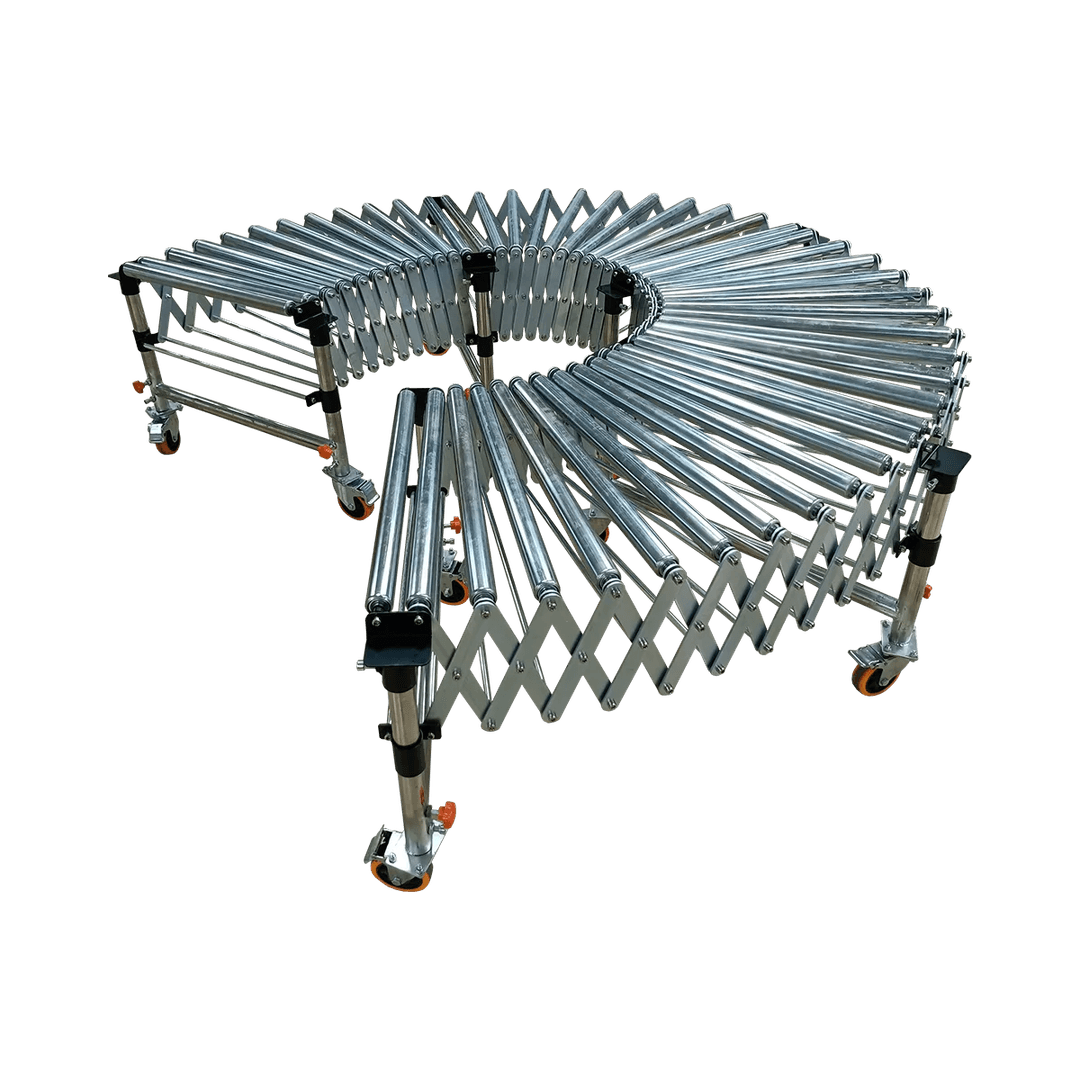
The 38 mm Gravity Roller Conveyor is designed for stable and efficient cargo handling. The roller width is 38 mm, the conveying load is 50 kg per meter, and the effective width is available in 500, 600, 800, or 1000 mm. The folding ratio is 1: 35, and the structure is compact, making it ideal for flexible long-distance unloading setups and providing reliable support for warehouse and logistics operations.

Load Capacity
50 kg/m
Effective Width
500/600/800/1000 mm
Retraction ratio
1:3.5
Applicable Goods (Recommended Maximum weight per item)

Gravity Roller Conveyor Maximum weight per item (reference)

Actual maximum weight depends on specific working conditions and configuration

Carton
Maximum weight (per item)
25 kg/pcs
Product Options

Gravity Roller Conveyor Product Options

Select appropriate optional parts, structural components, and auxiliary configurations based on site conditions.

No image available
#1 The body is made of 304 stainless steel.
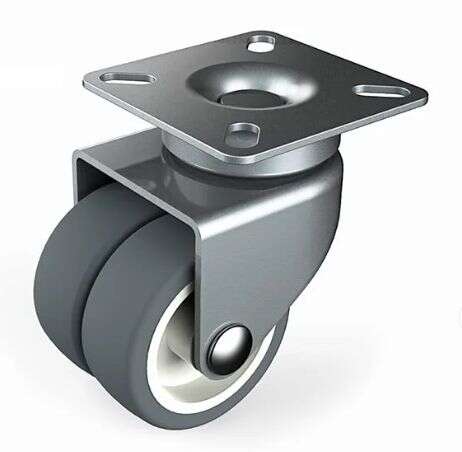
#2 Double-Wheel Swivel Caster
Qualifications and Reports

Gravity Roller Conveyor Qualifications and Reports

View the certificates, test reports, and patent certificates related to this product for easier verification of qualifications and technical basis.

Certificates

National Conveyor Industry Brand Promotion Selection - Top 10 Conveyor Brands

National Conveyor Industry Brand Promotion Selection - Top 10 Conveyor Brands

PDF
High-Tech Enterprise Certificate

High-Tech Enterprise Certificate

PDF
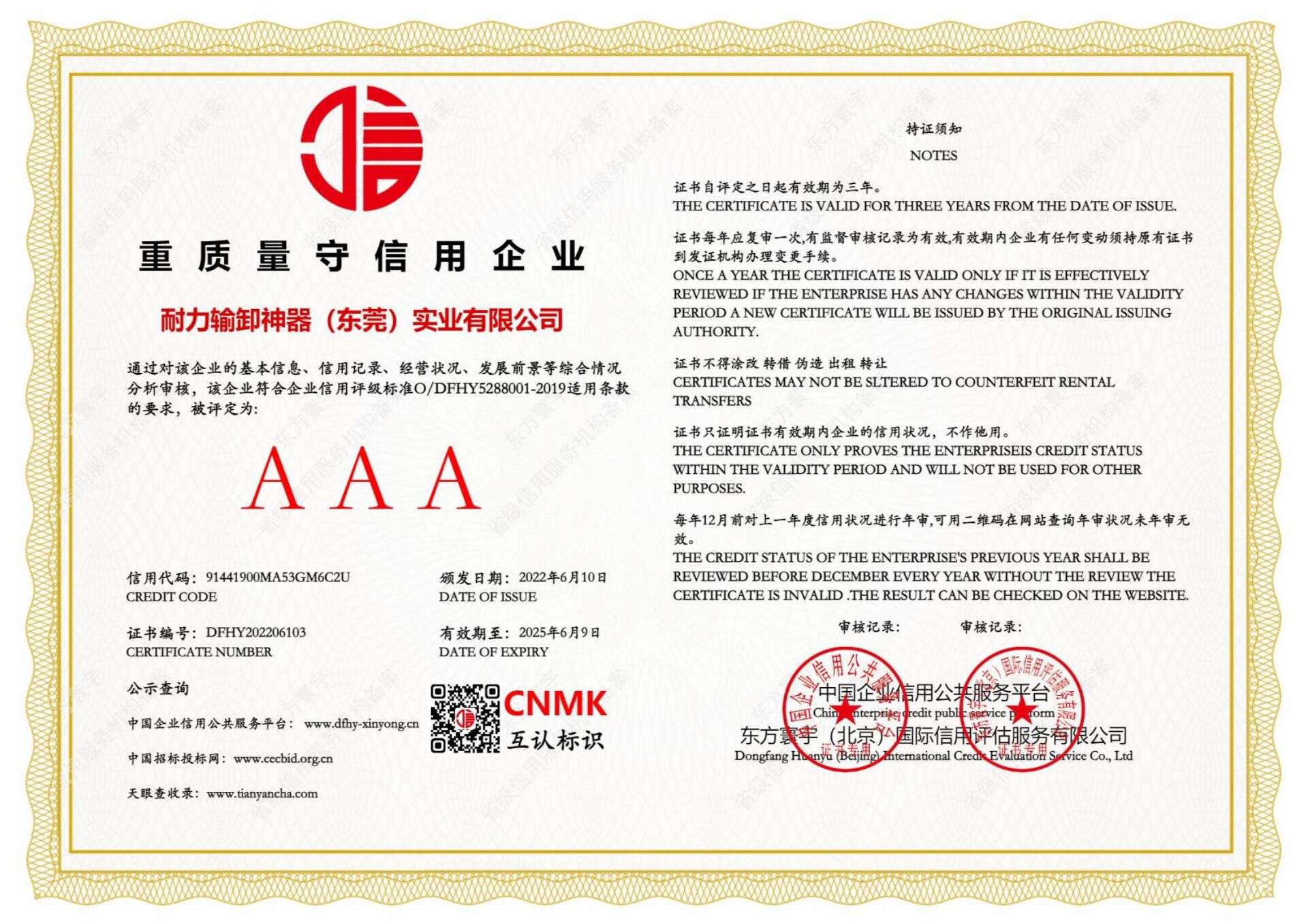
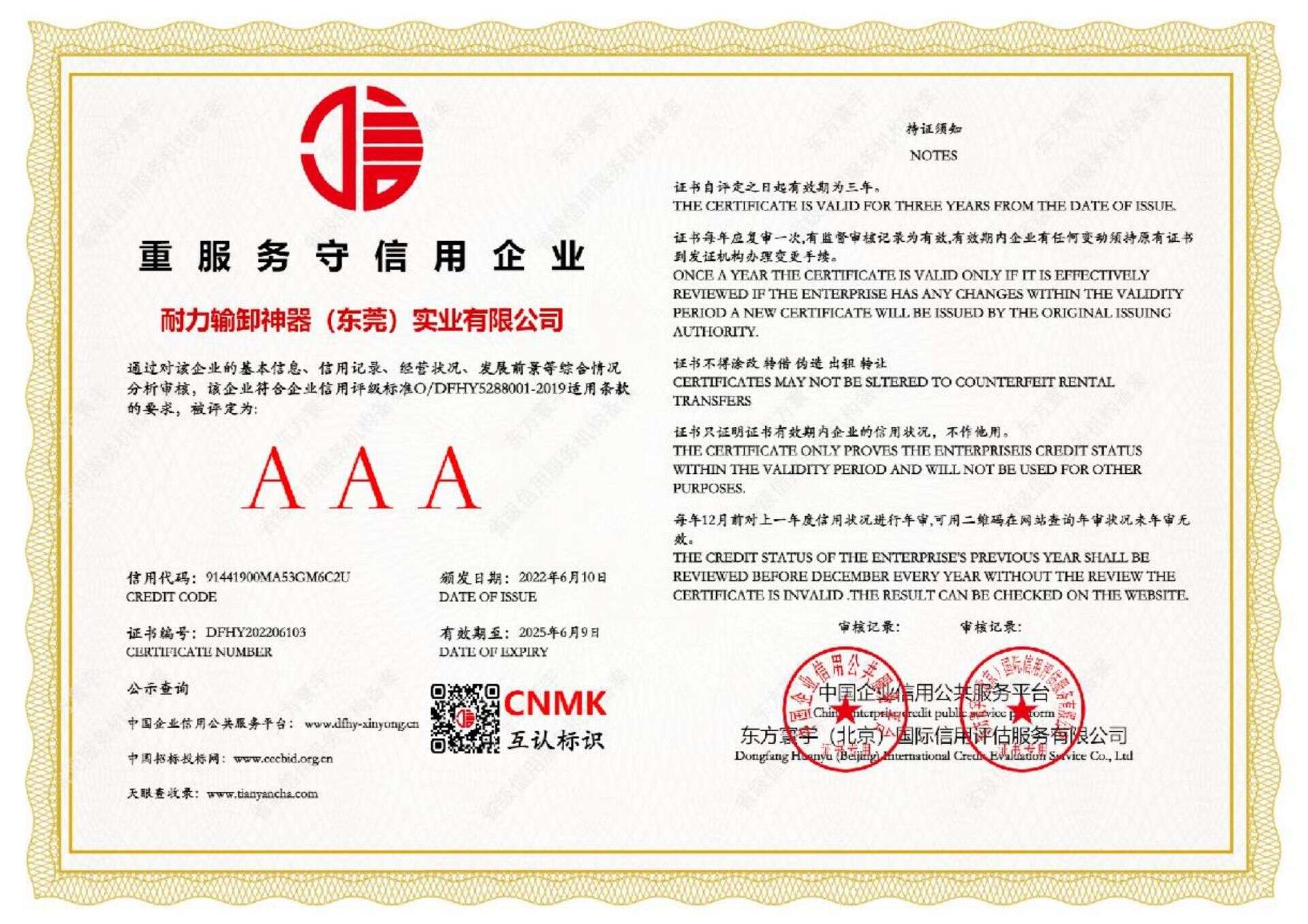
3A Heavy Quality and Credit-Keeping Enterprise

3A Heavy Quality and Credit-Keeping Enterprise

PDF
3A Contract-Honoring and Credit-Keeping Enterprise

3A Contract-Honoring and Credit-Keeping Enterprise

PDF
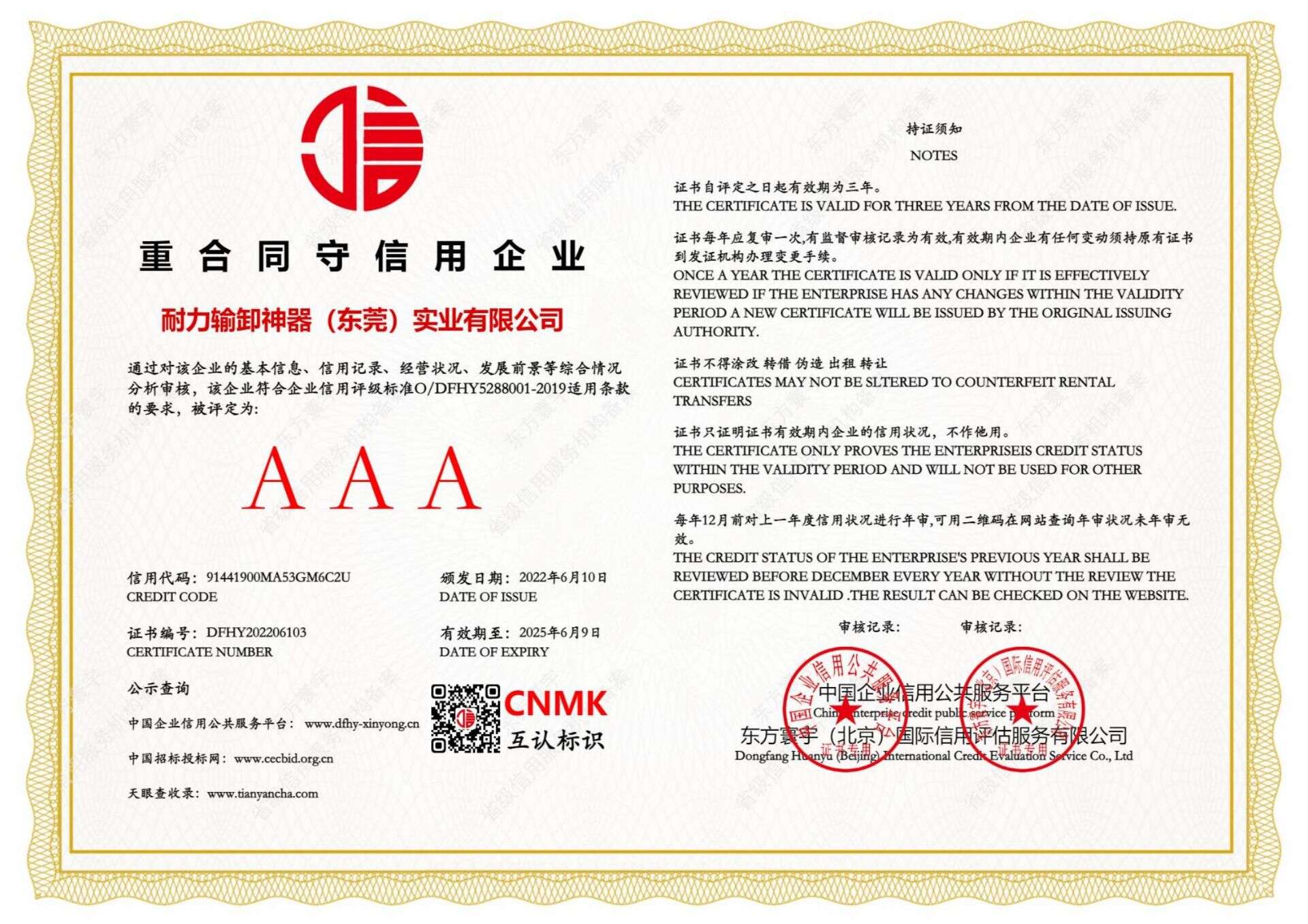
3A Heavy Contract-Honoring and Credit-Keeping Enterprise

3A Heavy Contract-Honoring and Credit-Keeping Enterprise

PDF
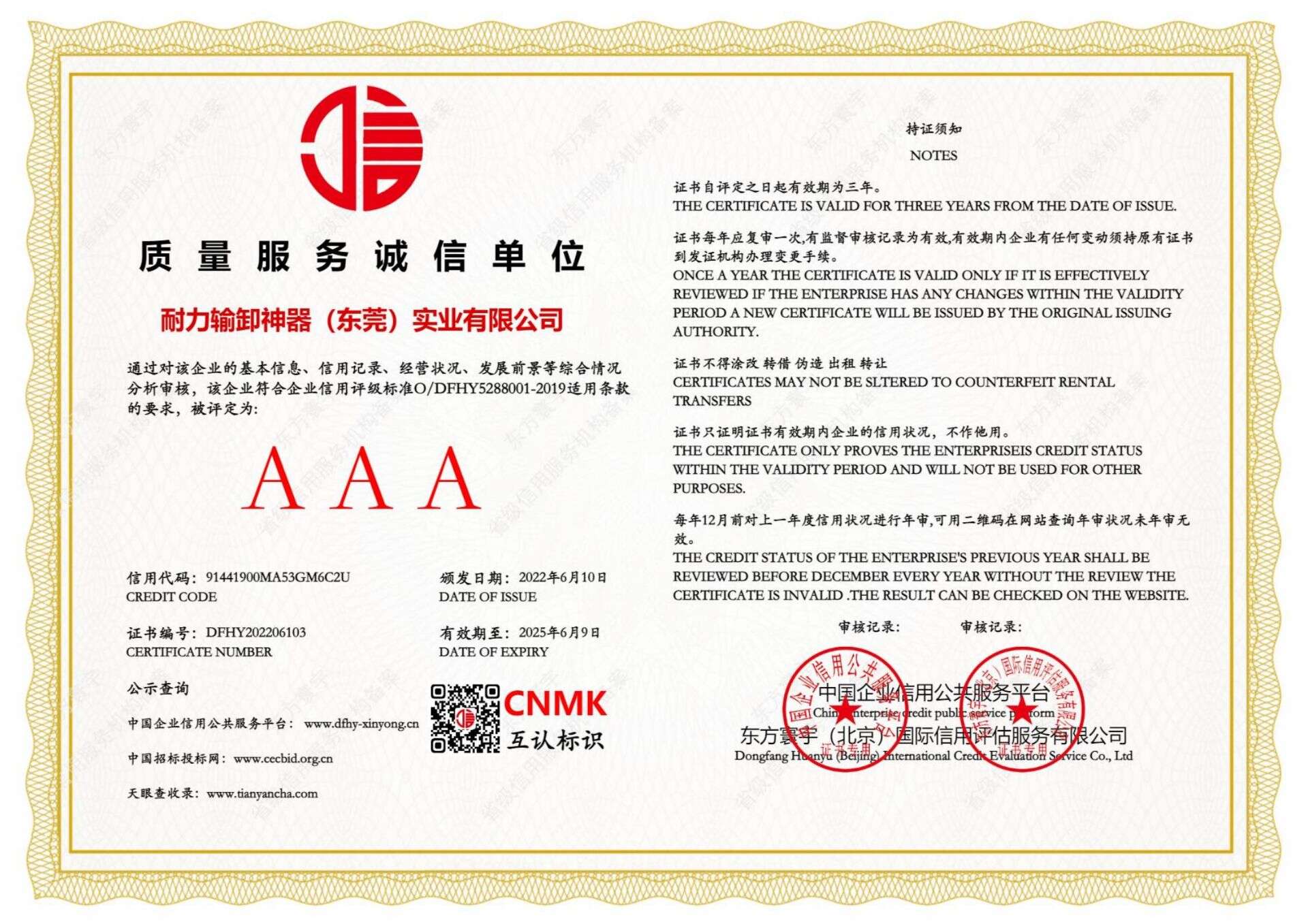
3A Quality Service Integrity Unit

3A Quality Service Integrity Unit

PDF
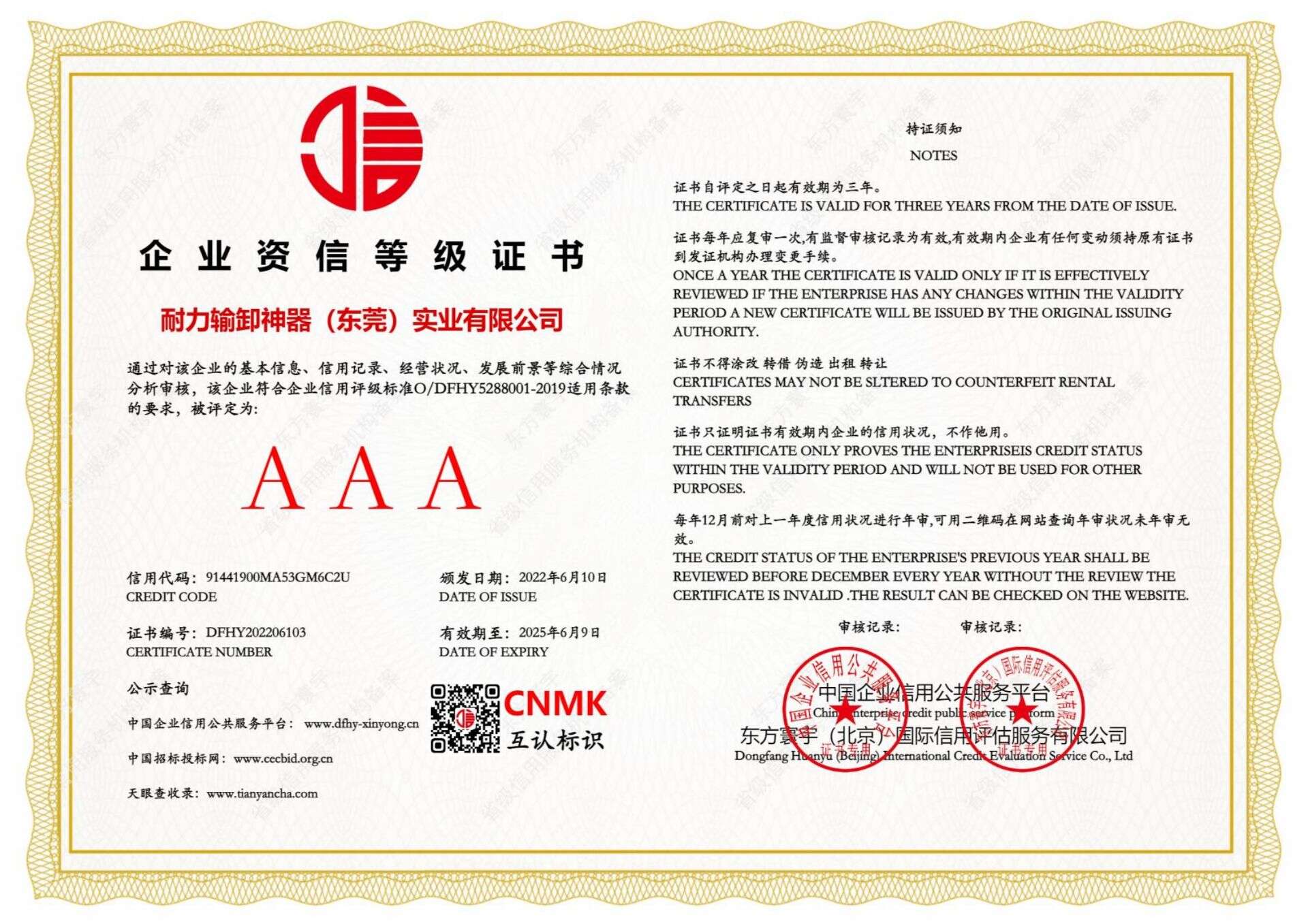
3A Enterprise Credit Rating Certificate

3A Enterprise Credit Rating Certificate

PDF
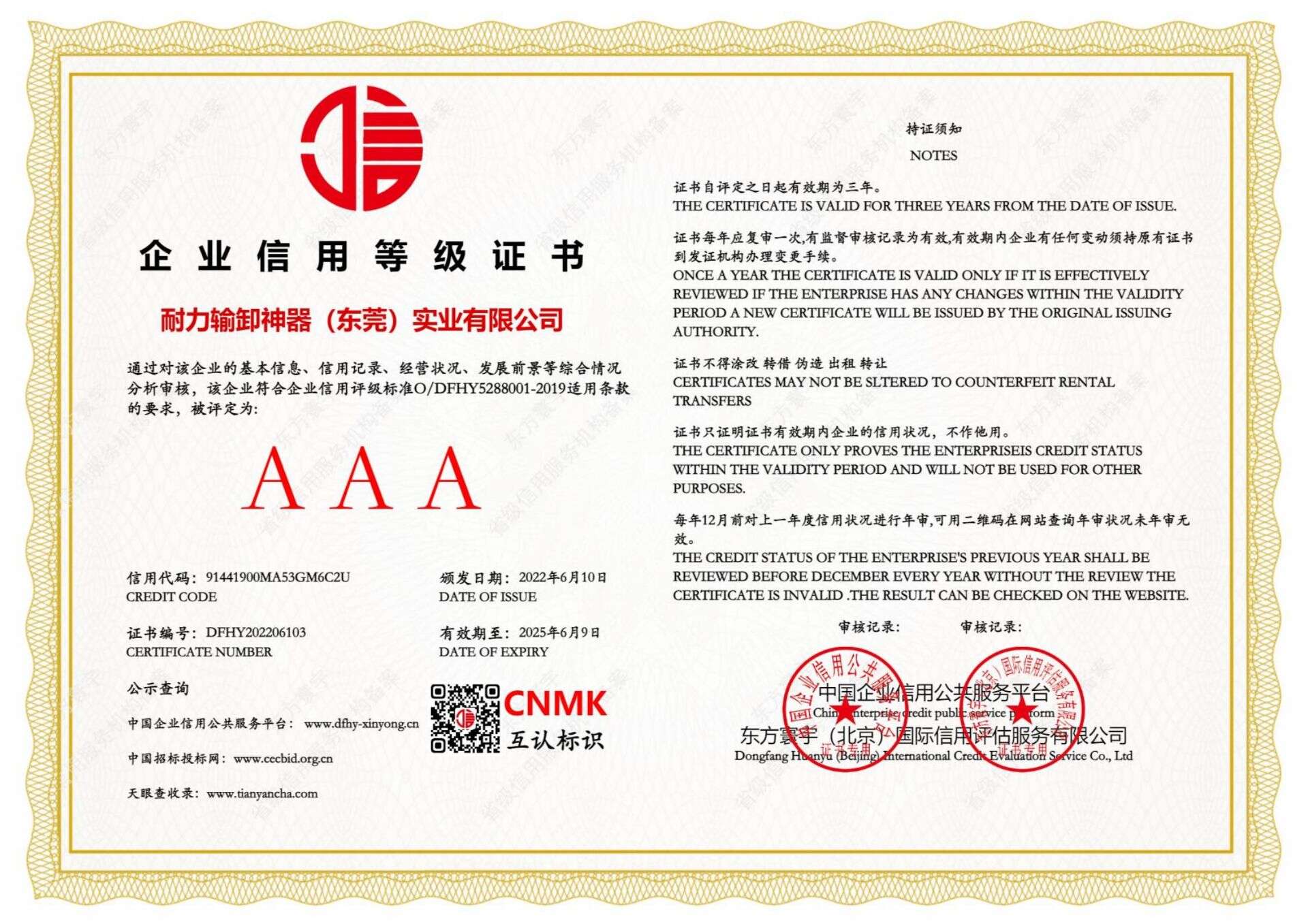
3A Enterprise Credit Rating Certificate

3A Enterprise Credit Rating Certificate

PDF
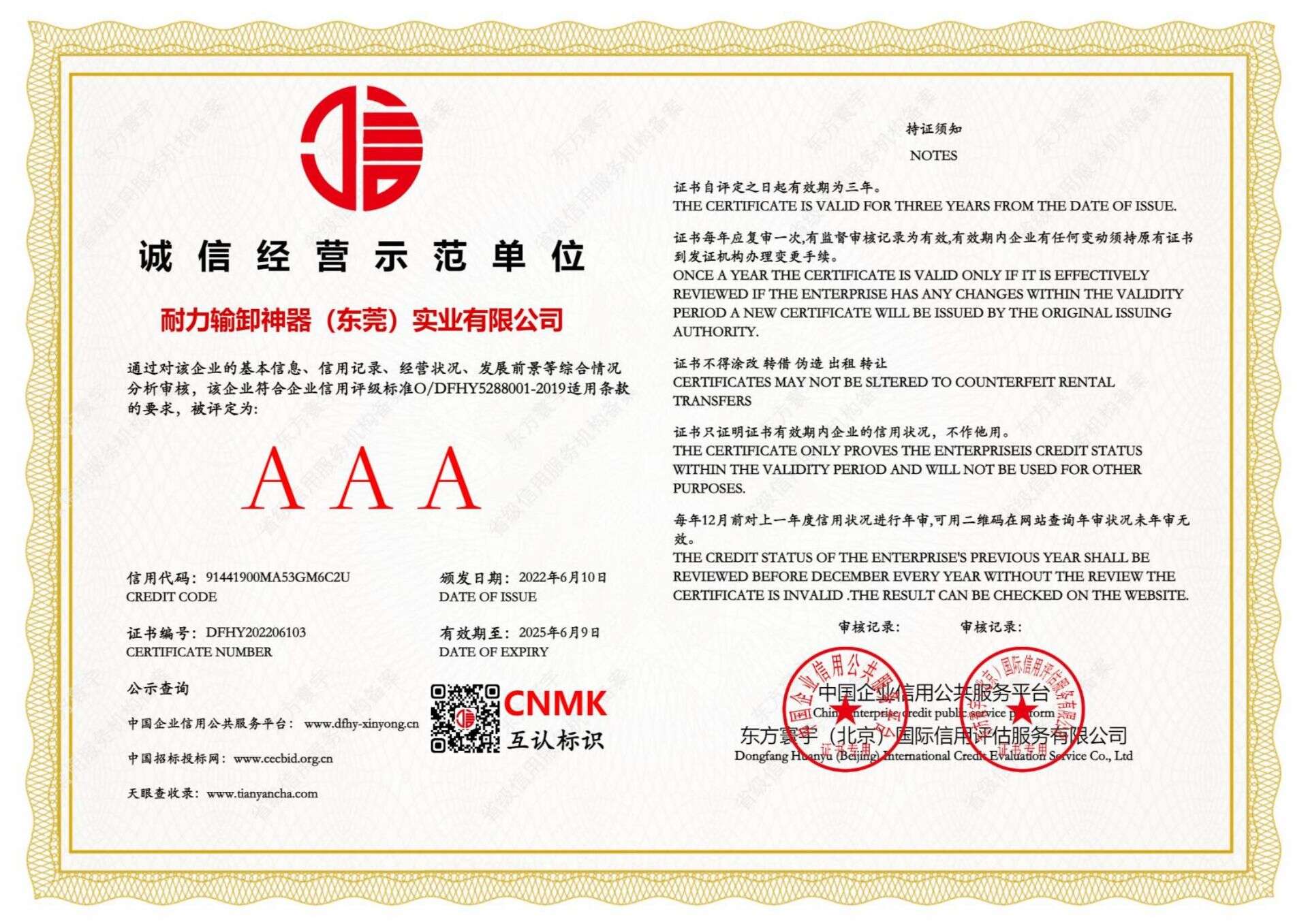
3A Honest Operation Demonstration Unit

3A Honest Operation Demonstration Unit

PDF
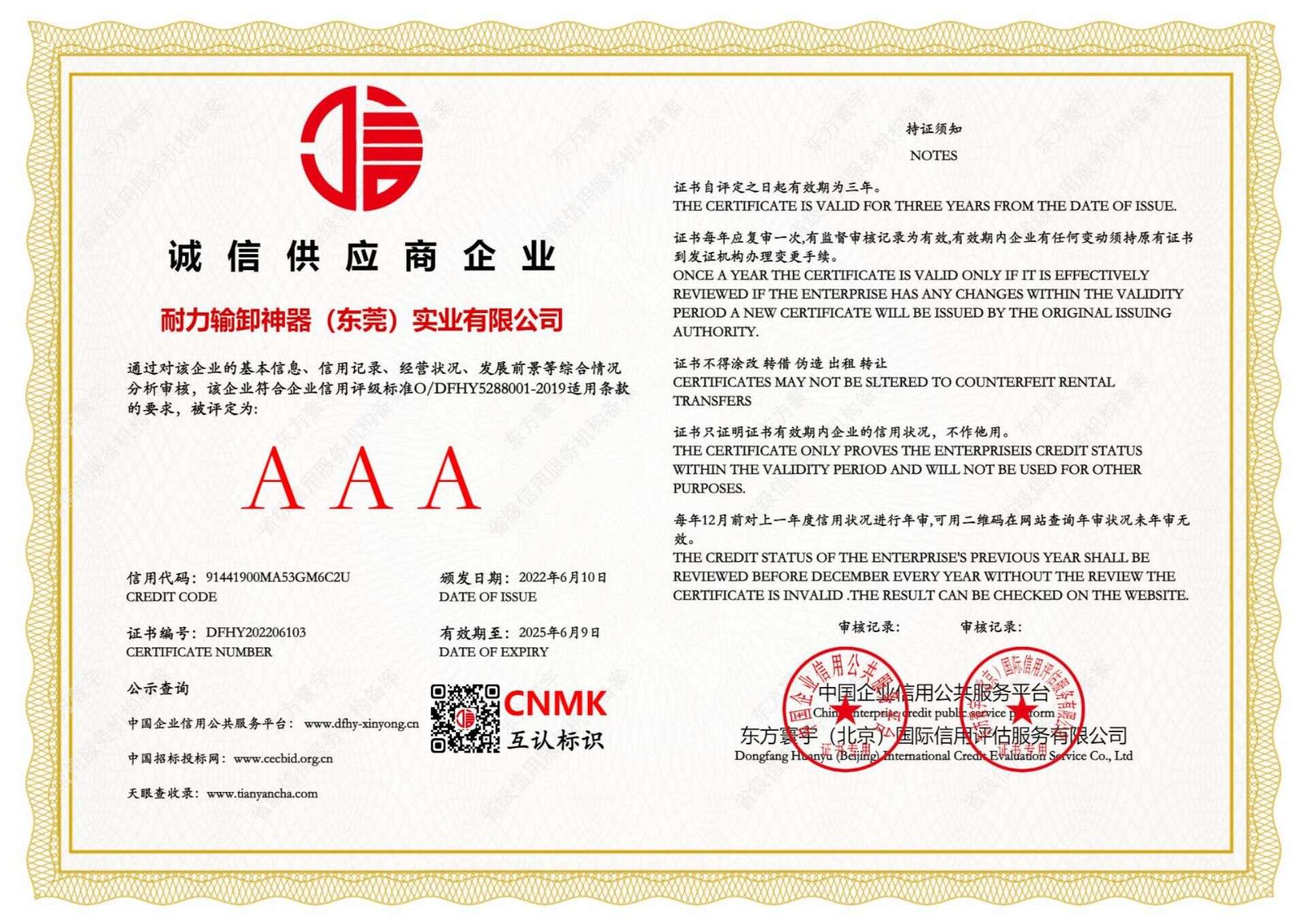
3A Honest Supplier Enterprise

3A Honest Supplier Enterprise

PDF
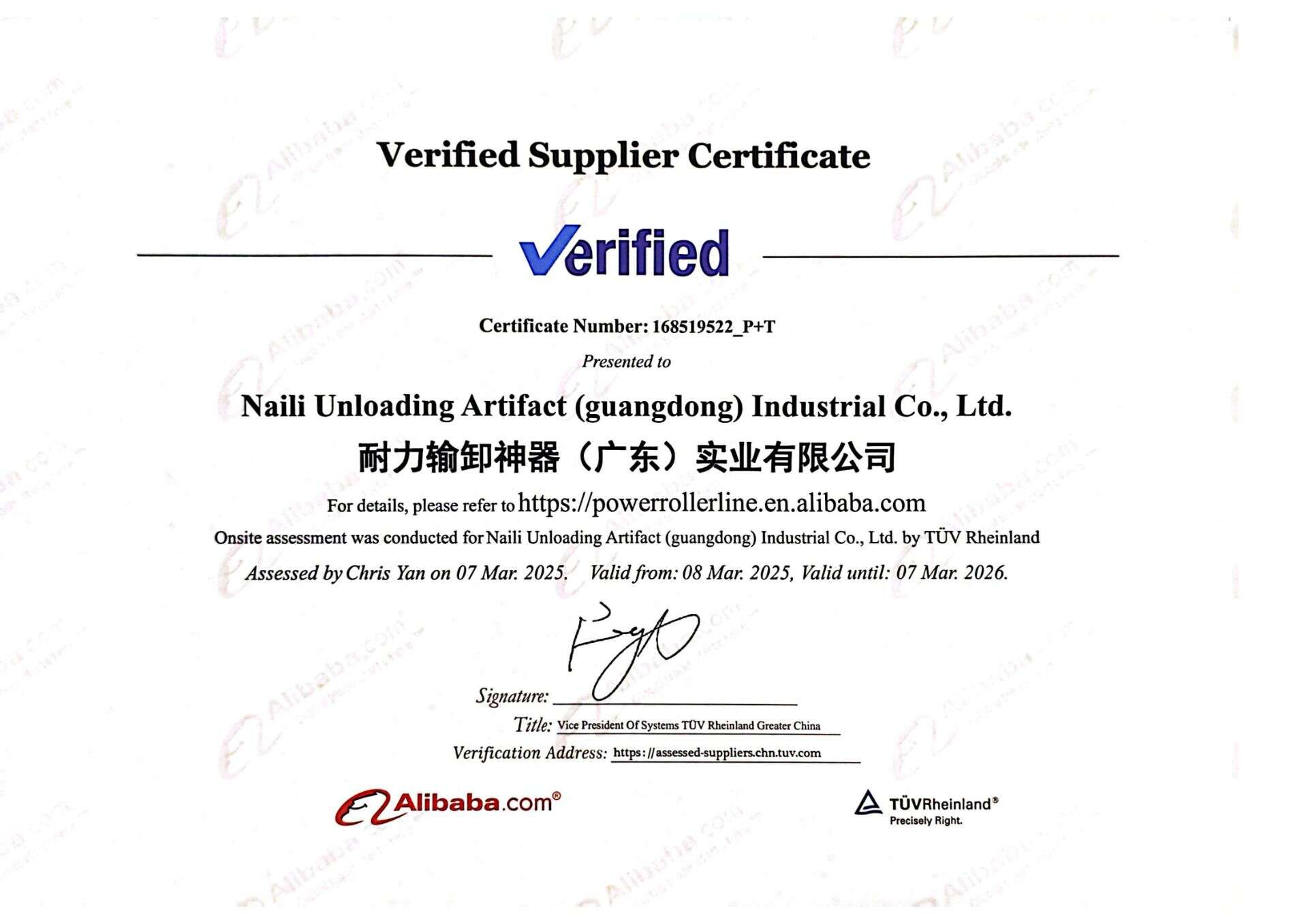
Alibaba Enterprise Certification Certificate

Alibaba Enterprise Certification Certificate

PDF
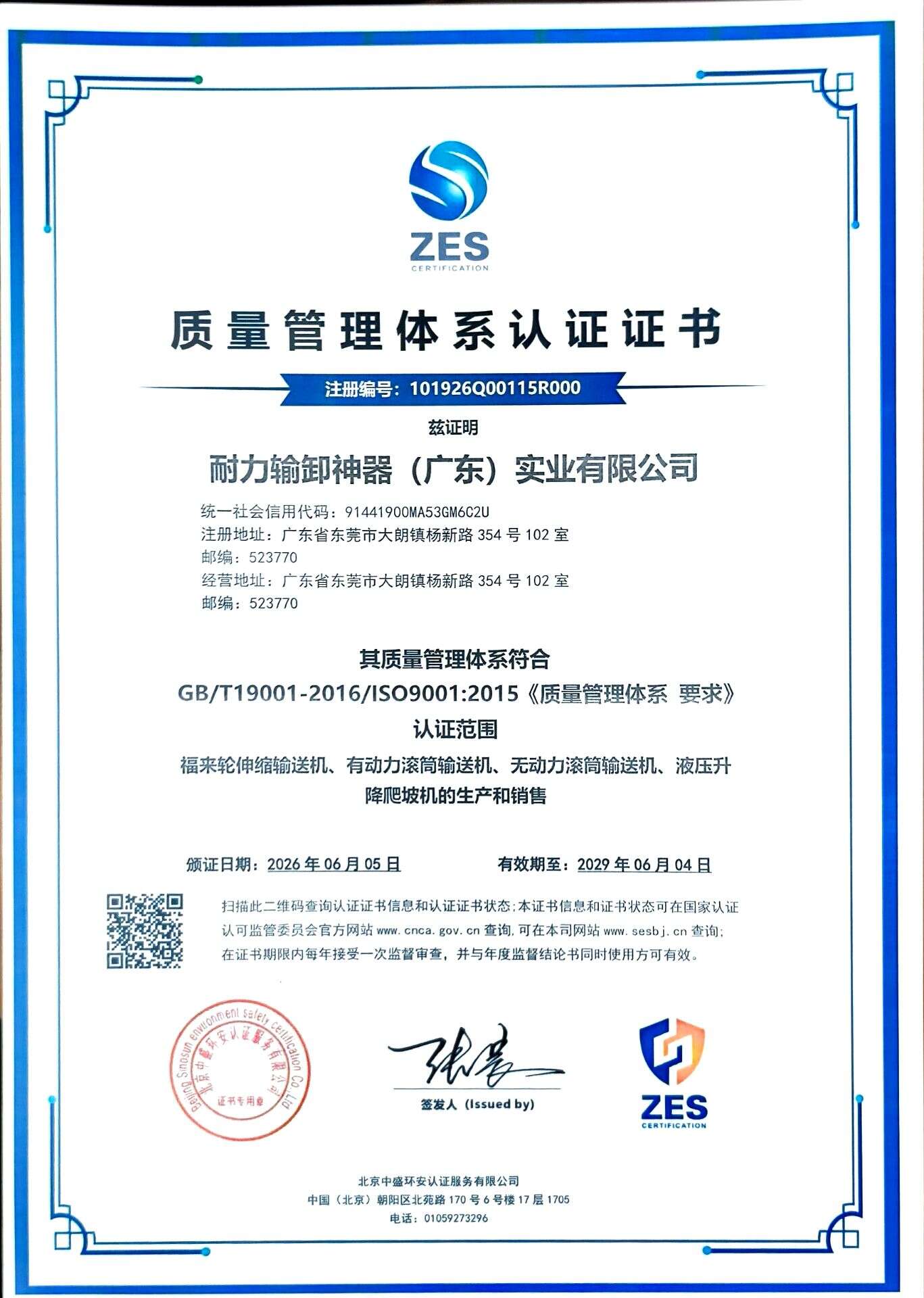
ISO Certificate - Chinese

ISO Certificate - Chinese

PDF
ISO Certificate - English

ISO Certificate - English

PDF
TUV Certificate

TUV Certificate

PDF
CCTV-2 Finance Channel Broadcast Honor Certificate

CCTV-2 Finance Channel Broadcast Honor Certificate

PDF
Actual Photos & Videos

Gravity Roller Conveyor Case Videos

View equipment structure, on-site status, and operational details through galleries and videos.

Actual Photos & Videos

Product Guide Videos

Get a quick overview of this product’s configuration and operating essentials through selection, installation, and usage videos.

Factory Strength

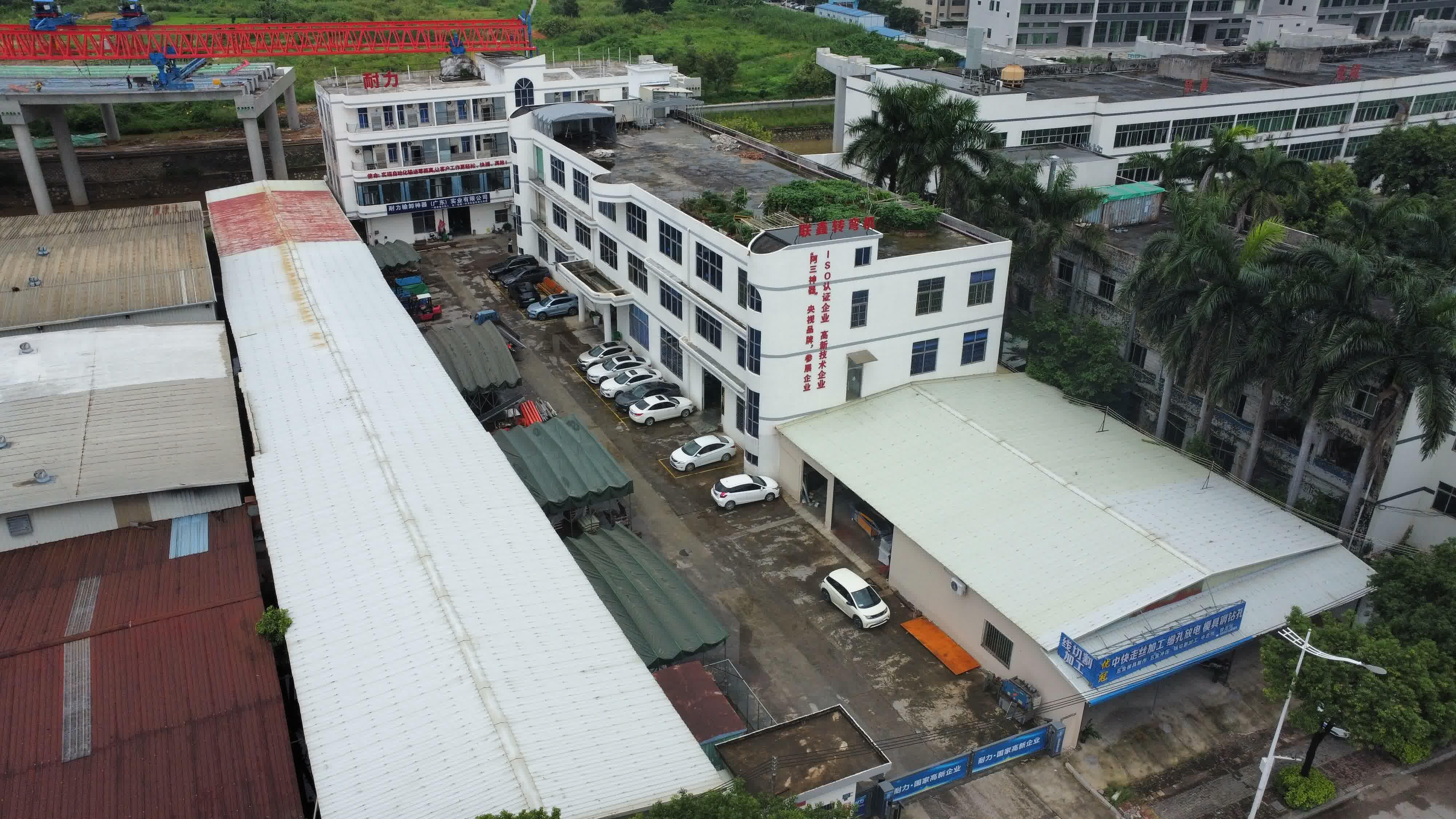
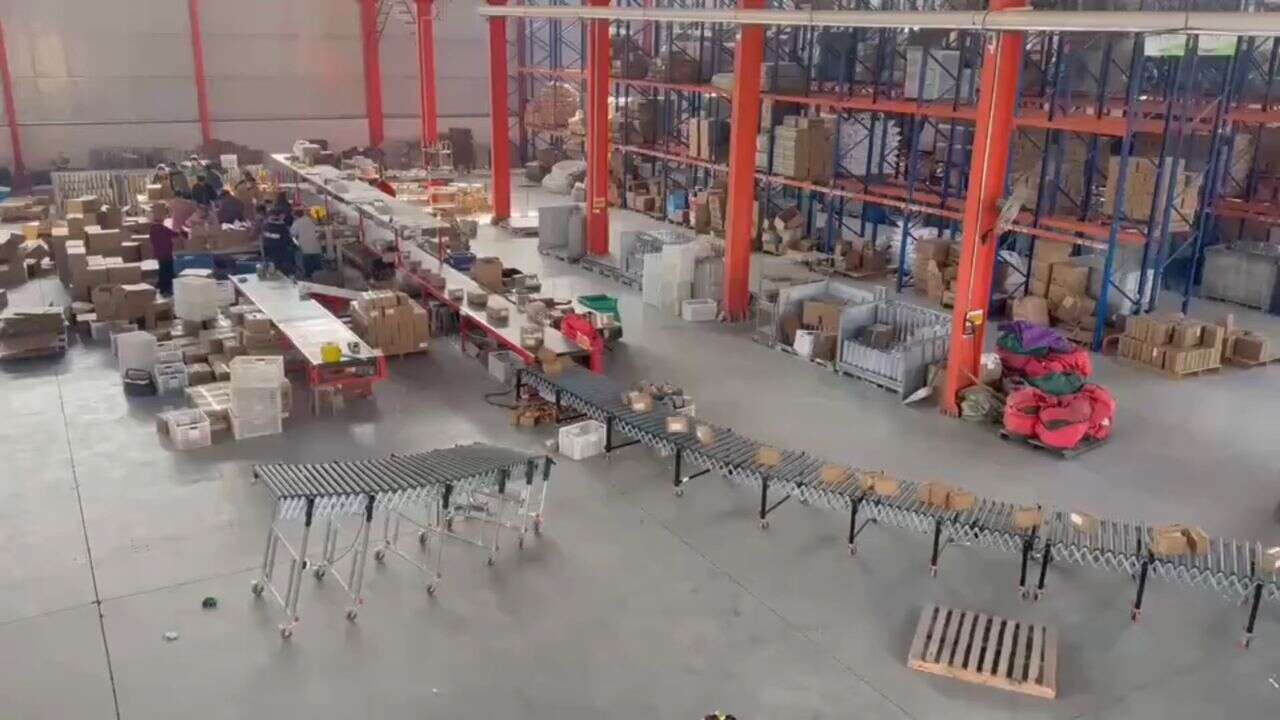
Learn about production equipment, workshop environment, processing capacity, and quality control through real photos and videos.

工厂图片 4
Image

工厂图片 4

工厂图片 1
Image

工厂图片 1

工厂图片 2
Image

工厂图片 2

工厂主图
Image

工厂主图

工厂图片 3
Image

工厂图片 3

Specifications

Specifications & Technical Data

View core parameters, structured specifications, and downloadable materials by model.

Gravity Roller Conveyor Technical Specifications

GRC-38-1.7

Conveyor Knowledge

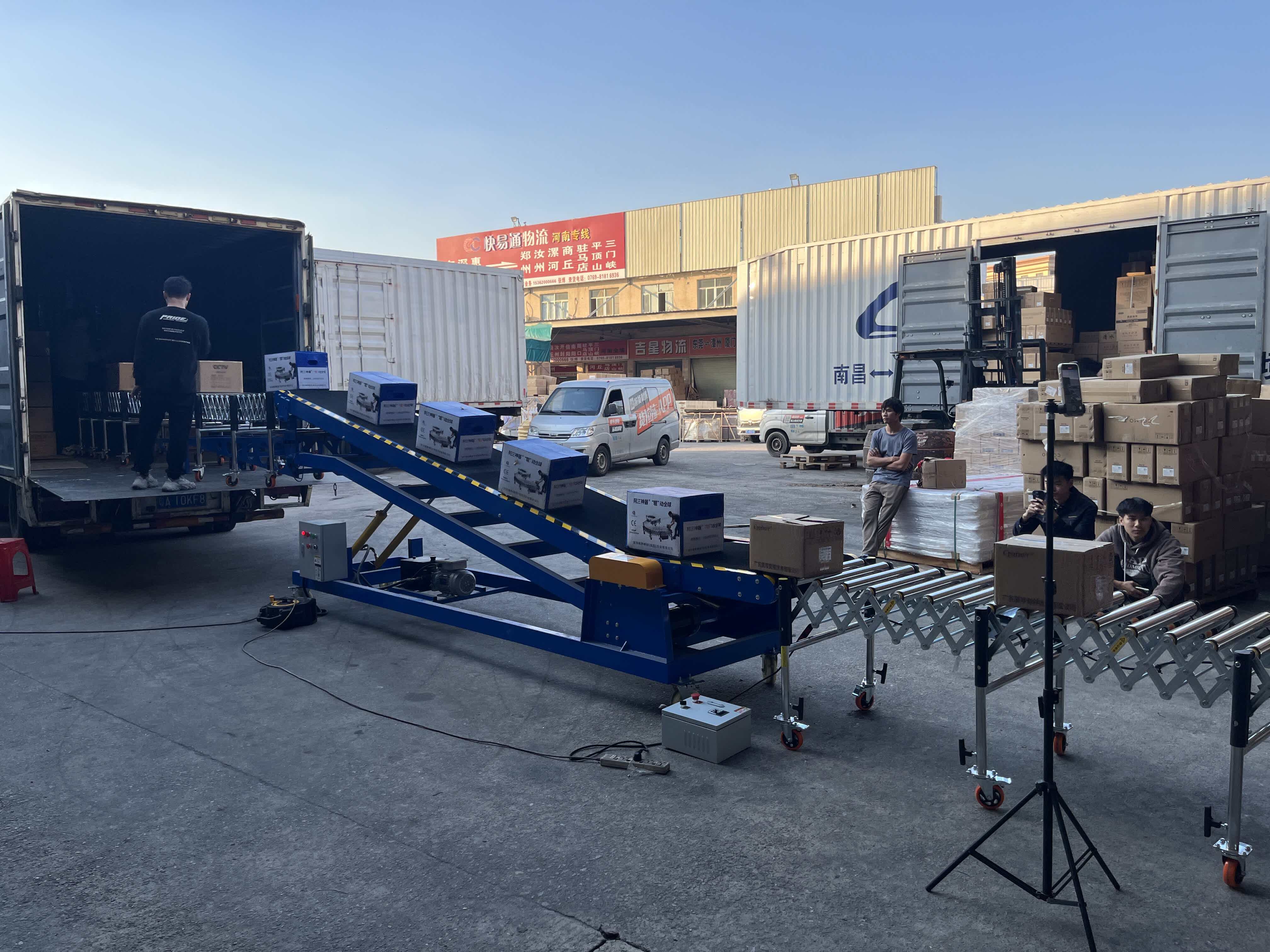
Large Truck Loading and Unloading Large Hydraulic Conveyor + Roller Line

The Large Hydraulic Conveyor is configured with 9 sections of rubber-covered Multi-Wedge Belt Powered Roller Conveyor to achieve a total coverage length of 10 meters, suitable for loading and unloading operations with 9.6m and 13m truck beds. The rubber-covered design provides anti-slip performance, the lower platform height is adjustable, and compared with medium-sized equipment, the load capacity is significantly improved, effectively increasing the loading and unloading efficiency of 50kg bagged goods.
Large Truck Loading and Unloading Large Hydraulic Conveyor + Roller Line
Publish Date: 2026-03-23

In large cargo compartment loading and unloading, traditional manual handling faces low efficiency and high labor intensity. The combination of a heavy-duty incline conveyor with a 9-section rubber-coated multi-wedge belt driven roller conveyor provides a mechanized solution for 9.6-meter and 13-meter compartments. By extending the conveying distance and improving load capacity, this configuration greatly enhances the handling efficiency of heavy items such as 50kg bagged goods.

Configuration features of the heavy-duty incline conveyor paired with a 9-section rubber-coated multi-wedge belt driven roller conveyor

Analysis of the equipment combination structure

The combination of the heavy-duty incline conveyor and the 9-section rubber-coated multi-wedge belt driven roller conveyor adopts a modular design. With each section measuring 1.1 meters, the fully extended roller conveyor reaches a total coverage length of 10 meters. This setup can extend directly to the front of a 9.6-meter compartment, providing sufficient operational space for loading and unloading.
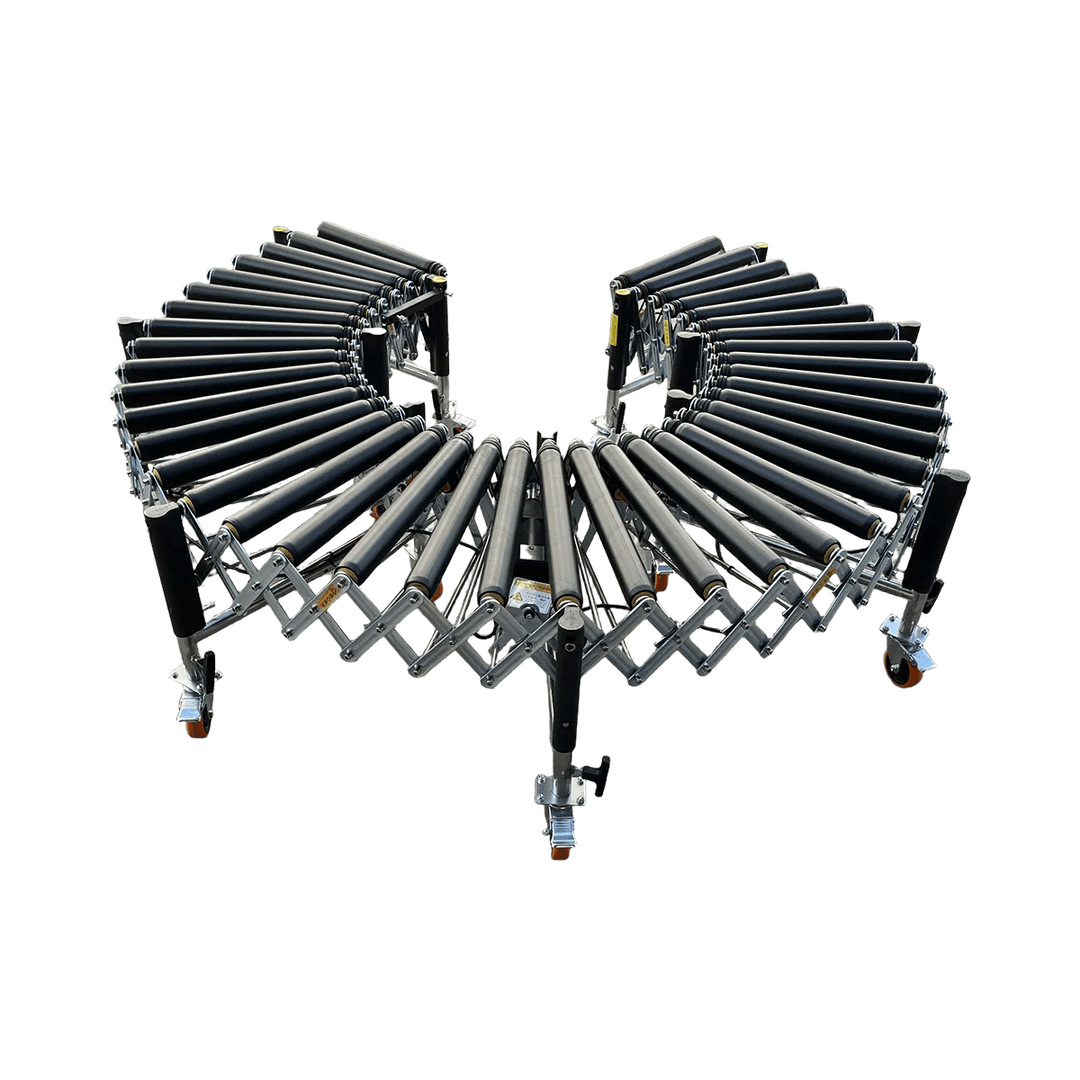
Multi-Wedge Belt Powered Rubber-Covered Roller Conveyor

Multi-Wedge Belt Powered Rubber-Covered Roller Conveyor

The multi-wedge-belt Powered Rubber-Covered Roller Conveyor is specifically designed for the smooth conveying of bagged goods. It uses multi-wedge-bel…

The rubber-coated multi-wedge belt driven roller conveyor uses a multi-wedge belt drive system, offering smoother operation compared to chain drives. The rubber coating on the roller surface not only provides good friction but also protects the cargo surface from scratches. The support structure of the heavy-duty incline conveyor is reinforced to withstand higher loads and continuous operation.

Load capacity and conveying distance advantages

The heavy-duty incline conveyor significantly improves load capacity over medium-duty models. The lower platform uses a manual adjustment mechanism that can be precisely set to match the height of different compartments, ensuring the conveyor meets the compartment floor at an appropriate angle. This design allows the equipment to adapt to trucks of various specifications, enhancing versatility.
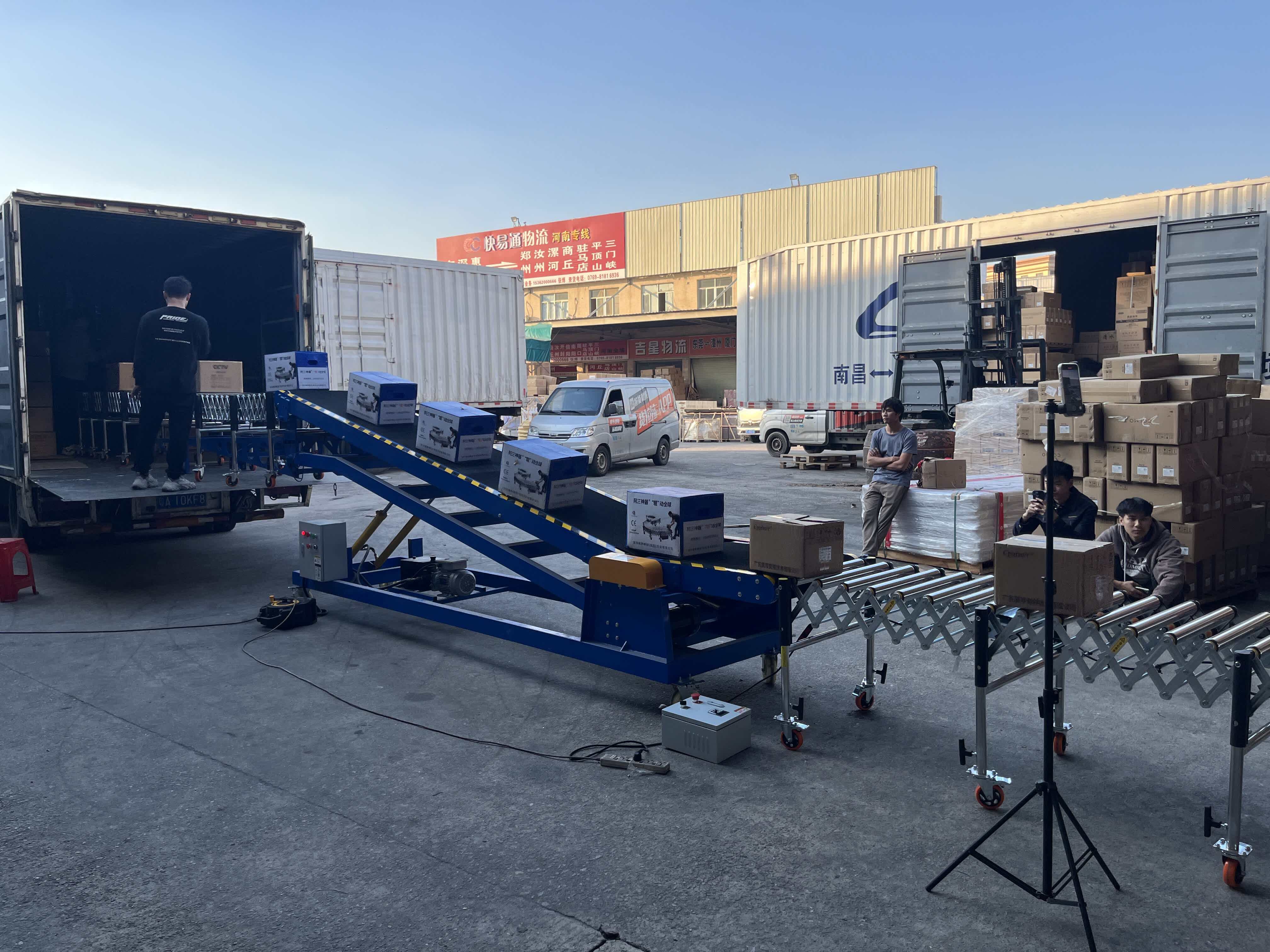
Medium-duty incline conveyor + roller conveyor cargo handling

The 9-section roller configuration provides a total coverage length of 10 meters, satisfying the loading and unloading requirements of 9.6-meter compartments while also delivering effective coverage for 13-meter compartments. The rubber coating improves grip and significantly enhances anti-slip performance, especially when handling bags with smooth surfaces.

Compatibility analysis for loading and unloading 9.6-meter and 13-meter compartments

Loading and unloading requirements for different compartment sizes

The 9.6-meter compartment, as the standard configuration for medium-sized freight vehicles, typically requires the conveyor to cover more than 80% of the compartment length. The heavy-duty incline conveyor paired with the 9-section roller conveyor fully meets this demand, and the 10-meter coverage can even reach the front of the compartment, reducing the manual transport distance.

For 13-meter compartments, even though the compartment length exceeds the conveyor coverage, the effective conveying distance of 10 meters still covers 77% of the compartment length, greatly reducing the area requiring manual handling. In actual operations, operators only need to perform short-distance manual transfers at the front of the compartment.

Equipment configuration and compartment matching plan

The height adjustment function of the lower platform on the heavy-duty incline conveyor is key to matching the compartment. With the manual adjustment mechanism, the platform height can be set to align with the compartment floor, ensuring smooth transfer of cargo from the compartment to the conveyor. This adjustability allows one set of equipment to work with compartments at varying heights.
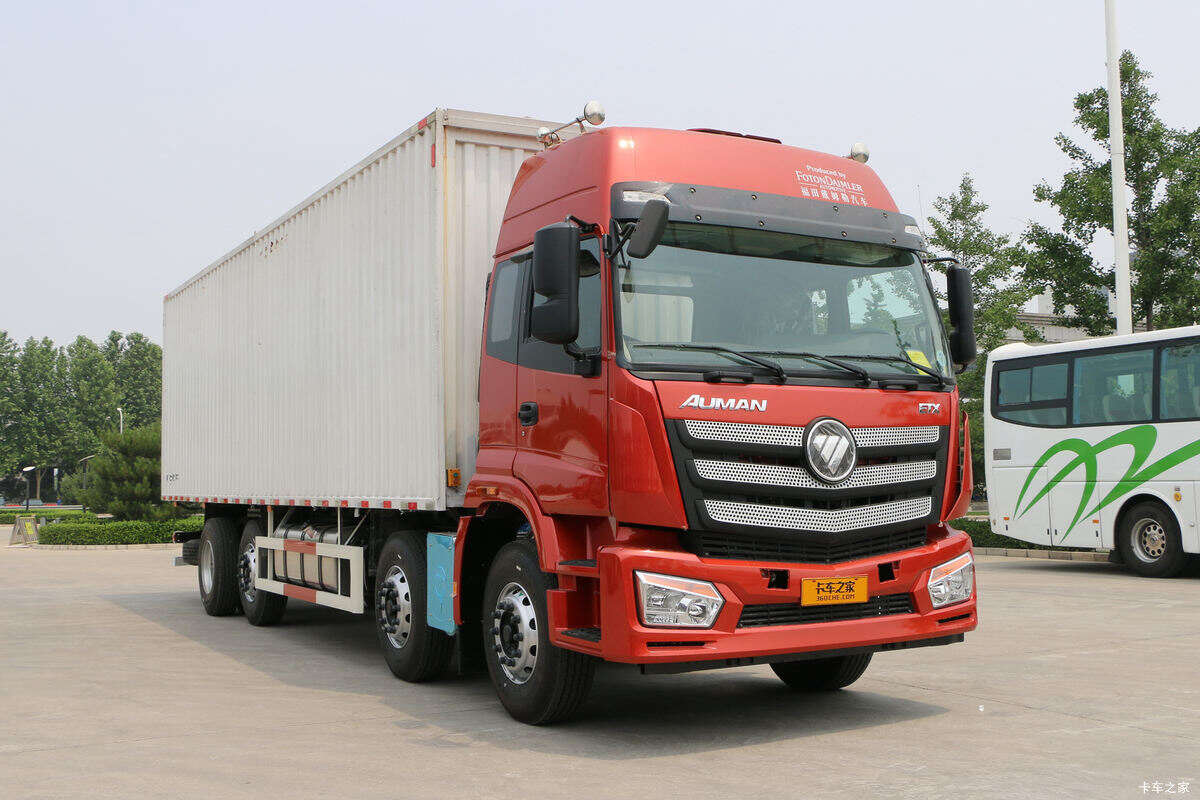
9.6-meter truck
9.6-meter truck

The solution for adjusting compartment height differences relies mainly on the incline angle and platform height adjustment of the incline conveyor. For standard trucks, the platform height is typically set between 1.2 and 1.5 meters, while for low-chassis vehicles it can be lowered further. Efficient use of loading and unloading space is achieved through reasonable equipment layout and operational workflow design.

50kg bagged cargo handling practice

Characteristics and handling requirements of bagged cargo

50kg bagged cargo plays an important role in logistics, commonly found in industries such as grain, chemical raw materials, and building materials. These items are characterized by heavy single-piece weight, irregular shapes, and varying surface materials. Stability on the roller conveyor mainly depends on the bag material and the friction coefficient of the roller surface.

The rubber-coated surface protects bagged cargo in several ways. First, the elasticity of the coating cushions the contact impact between the cargo and the roller, reducing abrasion to the packaging. Second, the textured surface of the coating provides appropriate friction to prevent the cargo from shifting during conveying.

Key cooperation points for manual operation

During the handling of 50kg bagged cargo, coordinated manual operation is essential. Operators need to master proper placement techniques to ensure the bags remain stable on the rollers. In general, the cargo should lie flat on the rollers, avoiding suspended or tilted placement.

Medium-duty incline conveyor + roller conveyor efficiency video

Balancing loading and unloading efficiency with safety requires standardized procedures. Operators should control conveyor speed to prevent instability caused by excessive velocity. At cargo transfer points, install buffer zones to ensure smooth transitions. For heavy cargo, it is recommended to operate with two people for enhanced safety.

Application advantages of the heavy-duty configuration compared to conventional medium-duty incline conveyors

Load capacity comparison analysis

The support structure of the heavy-duty equipment uses thicker steel and a denser reinforcement rib design, capable of bearing greater static and dynamic loads. During continuous operation, the heavy-duty model delivers superior stability and durability.

The 9-section roller configuration offers a clear advantage in conveying distance compared to the 6-section setup. While a 6-section layout usually provides only 6.6 meters of coverage, the 9-section version reaches 10 meters, increasing the coverage area by 51%. This distance advantage is especially important for loading large compartments, significantly reducing manual labor.
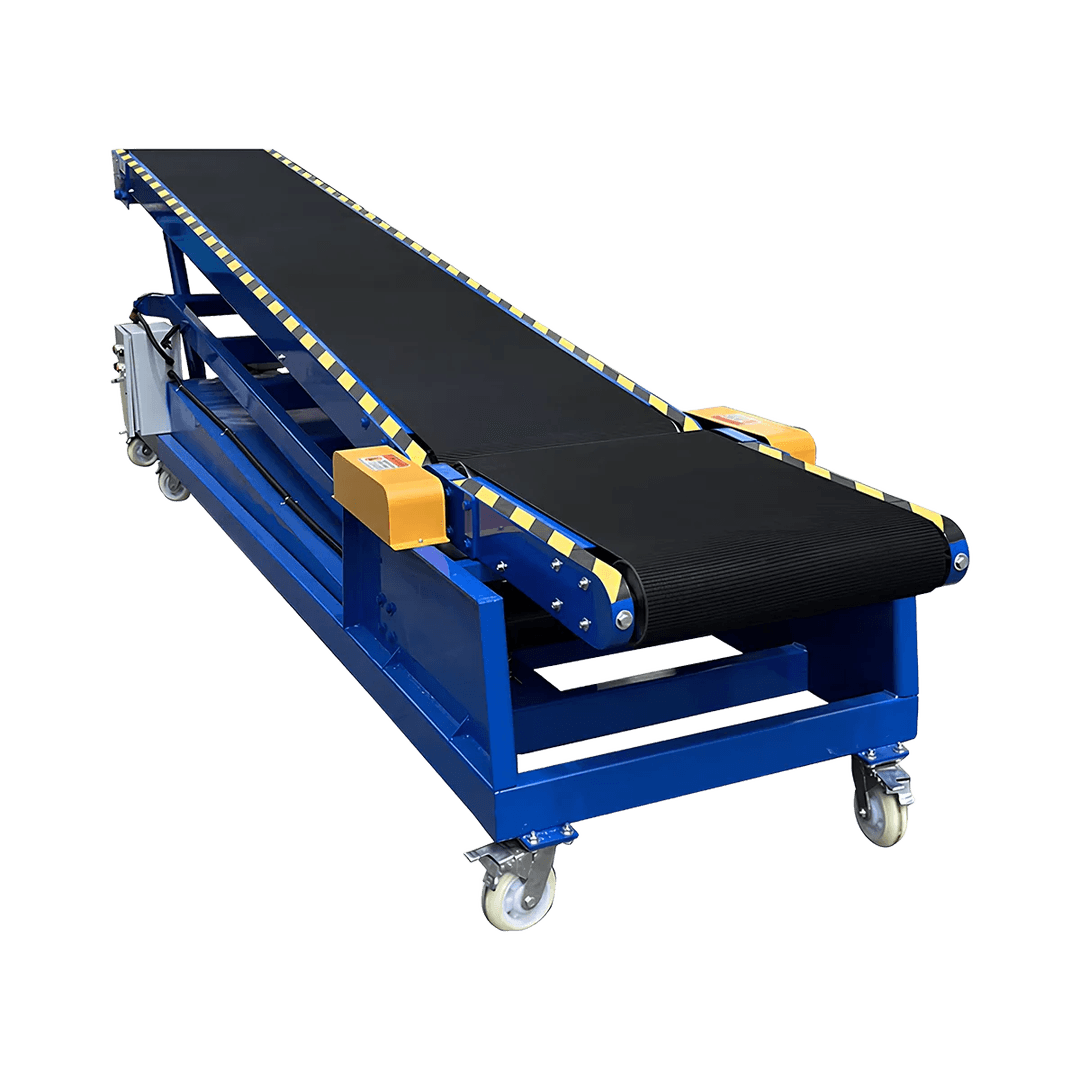
Hydraulic Conveyor Series

Hydraulic Conveyor Series

The hydraulic lifting conveyor is designed specifically for warehouses, factories, and logistics sites without loading docks. It enables smooth and sa…

Operational efficiency improvement effects

The stability of the heavy-duty equipment during continuous operation is reflected in multiple aspects. Stronger structural strength reduces deformation and vibration under heavy loads. Additionally, the heavy-duty motor and drive system provide a steadier conveying speed, minimizing fluctuations caused by load variations.

Efficiency gains in large-volume cargo handling mainly come from reducing manual transport distance and improving conveying continuity. When handling 50kg bagged cargo, the heavy-duty configuration can cut manual transport distance from 9.6 meters to less than 3 meters, increasing efficiency by about 70%. Analysis of equipment return on investment and operational costs shows that although the heavy-duty configuration requires a higher initial investment, its efficiency advantages quickly recoup the costs in high-volume, frequent loading operations.

Frequently asked questions

Q: Which compartment specifications suit the heavy-duty incline conveyor equipped with a 9-section roller conveyor?
A: It is primarily suitable for 9.6-meter and 13-meter compartments. The 10-meter coverage fully meets the requirements of a 9.6-meter compartment and provides 77% effective coverage for a 13-meter compartment, significantly reducing manual handling distance.

Q: What protection does the rubber-coated roller offer cargo?
A: The rubber-coated surface has excellent elasticity and friction performance, cushioning the contact impact between cargo and roller, preventing packaging abrasion, and providing sufficient grip to stop cargo from slipping—ideal for bagged goods.

Q: What advantages does the heavy-duty configuration have over medium-duty equipment?
A: The heavy-duty configuration offers significant improvements in load capacity, structural stability, and conveying distance. The 9-section roller increases coverage by 51% compared to the 6-section model, and the reinforced structure ensures stability during continuous operation.

Q: What should be noted when handling 50kg bagged cargo?
A: Manual coordination is needed to ensure the cargo lies steadily on the rollers, control the appropriate conveying speed, and set up buffer zones at transfer points. Heavy cargo should ideally be handled by two people to ensure safety.

Q: What is the height adjustment range of the equipment?
A: The lower platform uses a manual adjustment mechanism, typically ranging from 1.2 to 1.5 meters, allowing it to meet the height needs of different compartments and ensuring the conveyor aligns properly with the compartment floor.

Contact Sales Manager

Contact Person Mr. Chen (Jim Chen)Sales Manager

WeChat
18028941262
WhatsApp
+86 18028941262
Phone
+86 18028941262
Email
jim@naili.ltd
Brand Name
Naili Conveyor | Naili Unloading
Company Name
Naili Unloading Artifact (Guangdong) Industrial Co., Ltd. (Naili Unloading Artifact (Guangdong) Industrial Co., Ltd.)

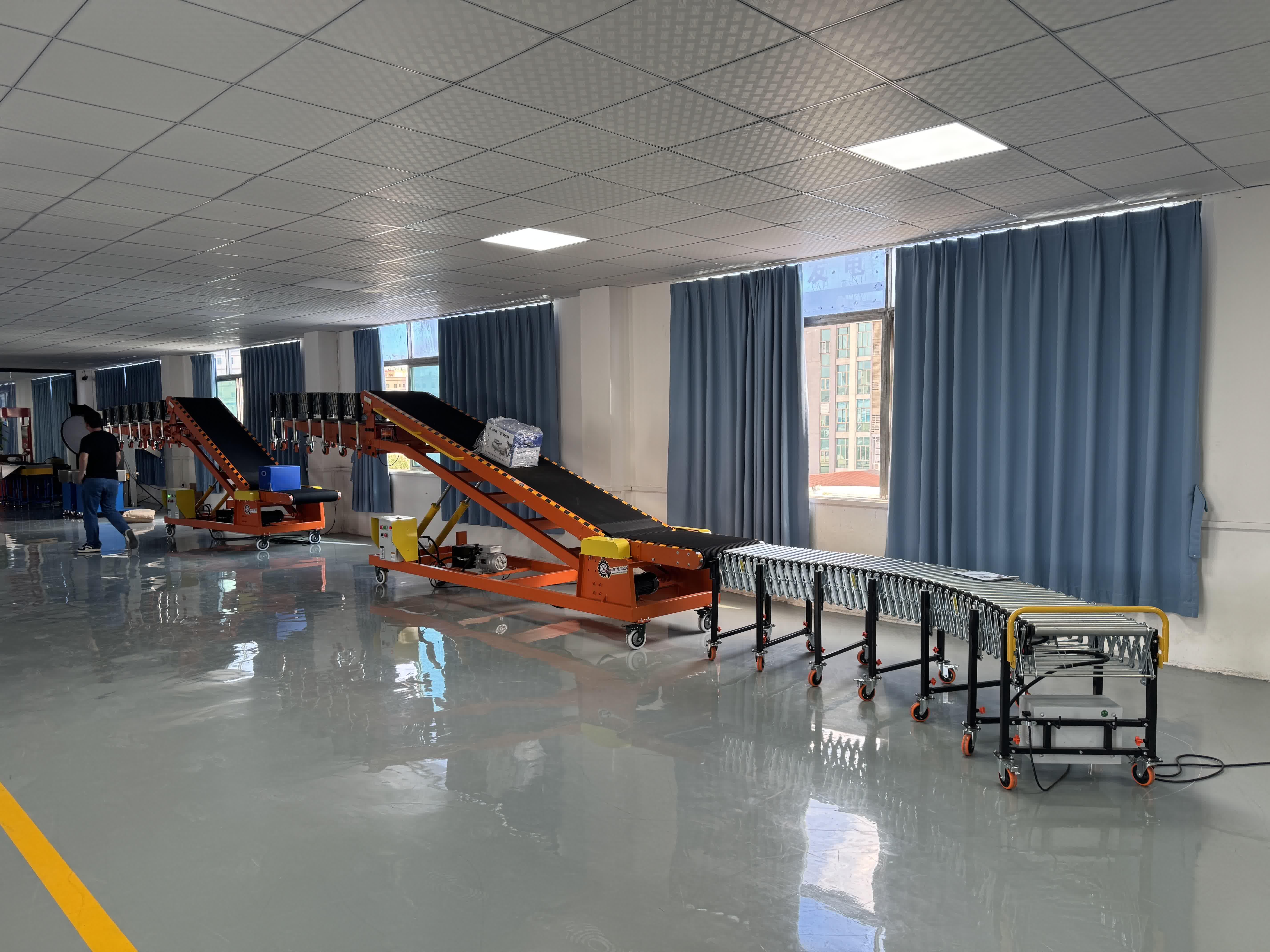
Factory Strength

Learn about production equipment, workshop environment, processing capacity, and quality control through real photos and videos.
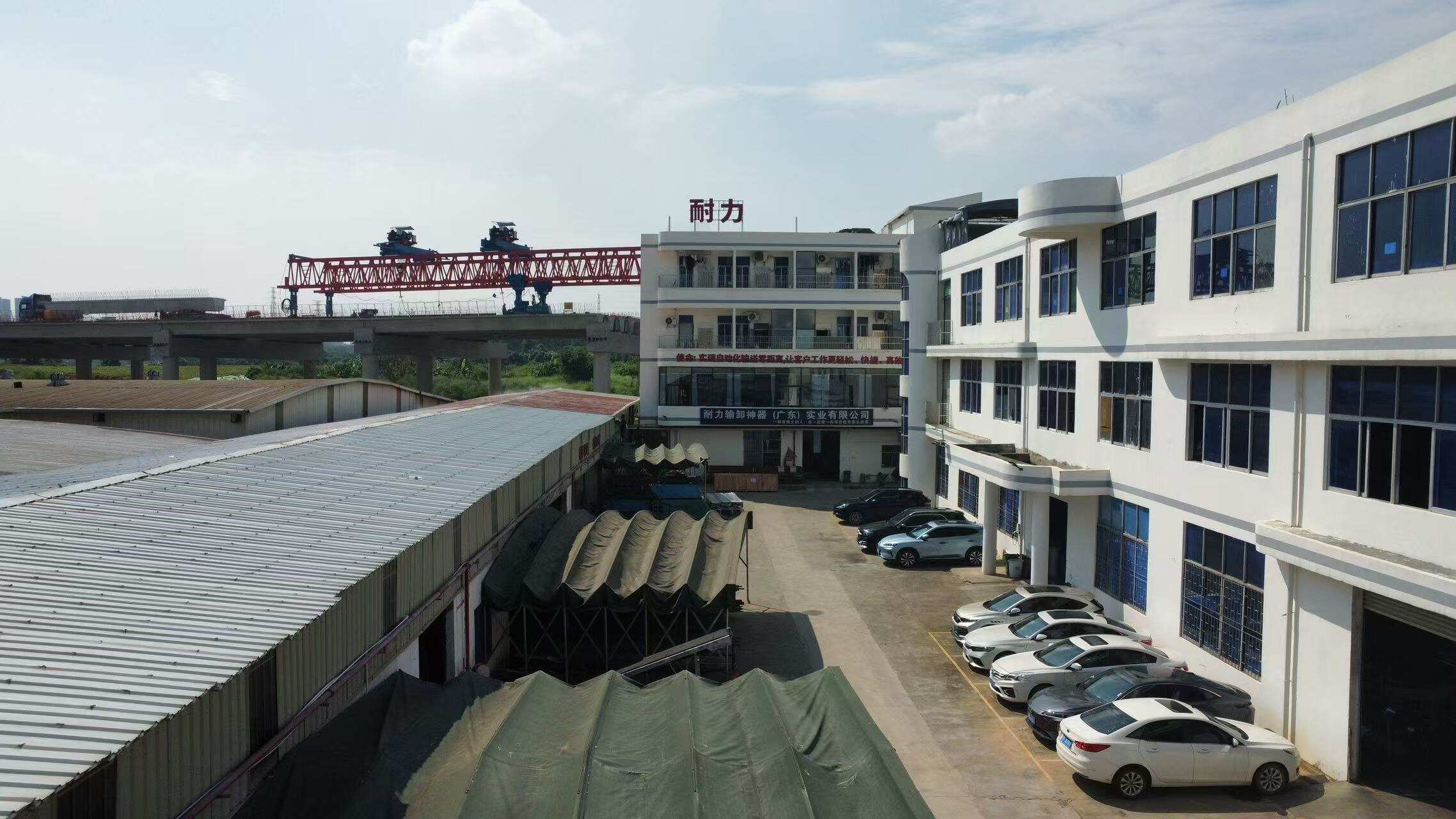
工厂图片 3
Image

工厂图片 3

工厂主图
Image

工厂主图

工厂图片 4
Image

工厂图片 4

工厂图片 1
Image

工厂图片 1

工厂图片 2
Image

工厂图片 2

Related Articles

View All
Analysis of the Throughput Capacity of Loading and Unloading Conveyors

Analysis of the Throughput Capacity of Loading and Unloading Conveyors

The overall throughput capacity of a loading and unloading conveyor is usually determined by two core factors: mechanical conveying capacity (theoretical conveyance limit) and manual loading/unloading efficiency (actual operating output).
Gravity Skate Wheel Conveyor vs. Roller Conveyor: Loading Site Selection Comparison and Practical Guide

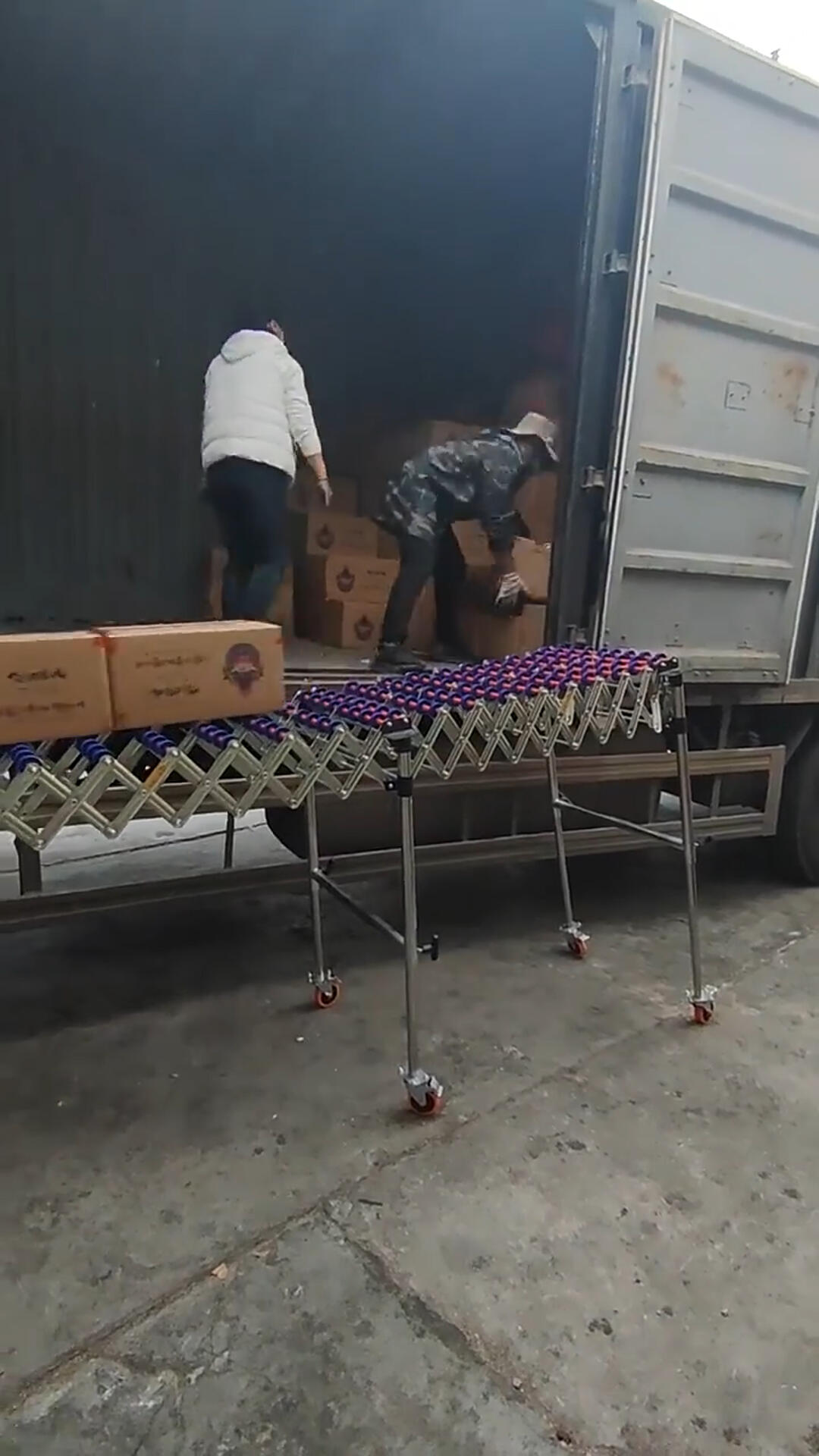
Gravity Skate Wheel Conveyor vs. Roller Conveyor: Loading Site Selection Comparison and Practical Guide

The Gravity Skate Wheel Conveyor is suitable for light loads, short distances, and rapid deployment, while roller conveyors offer stronger load capacity, adapt better to irregular goods, and support inclined conveying. This article explains how to choose from the perspectives of load, structure, cargo type, and cost.
Telescopic conveyors for container loading

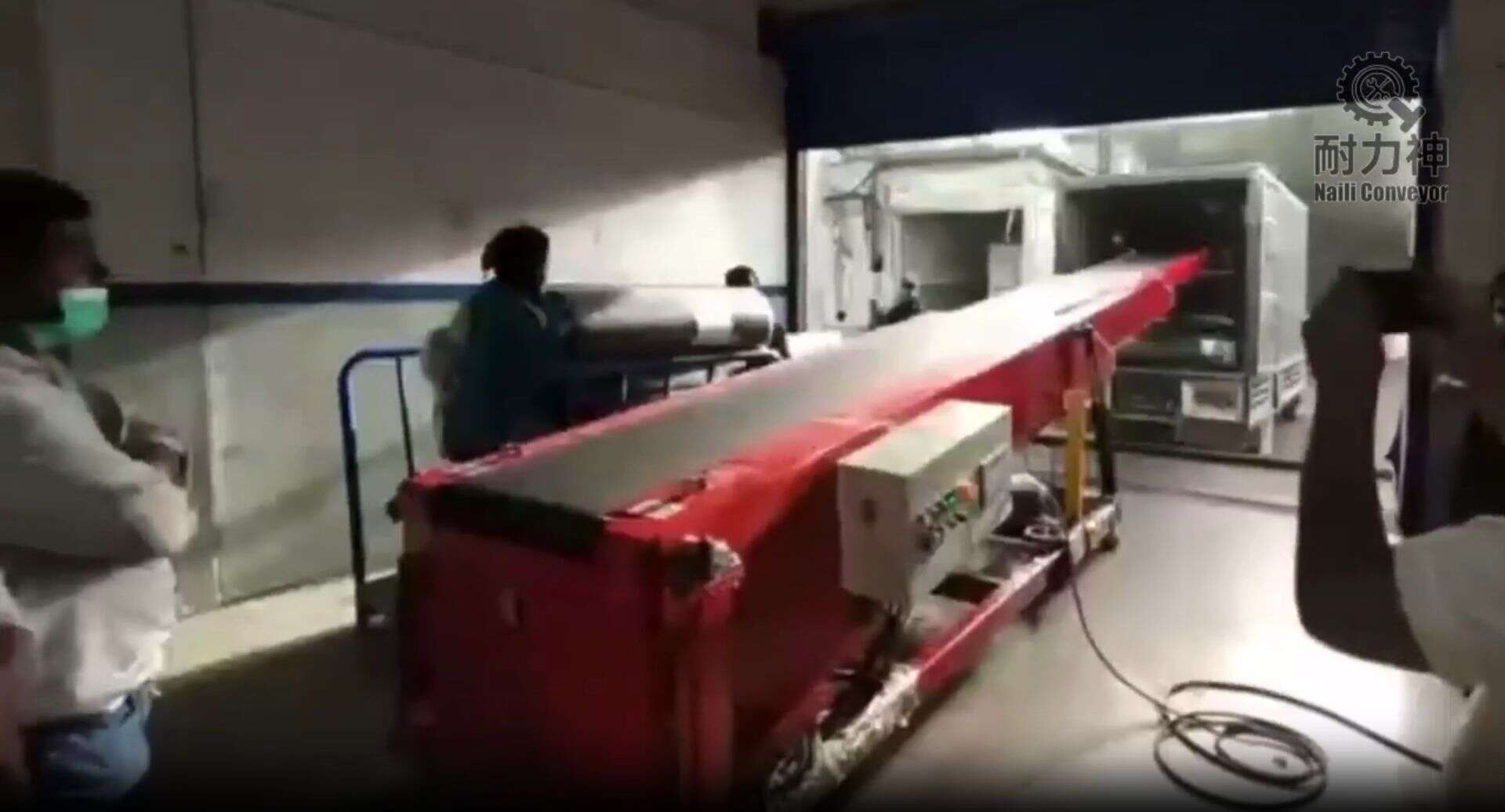
Telescopic conveyors for container loading

Telescopic conveyors for container loading are used to load 20-foot containers and 40-foot trailers, bridging the gap between the dock and the trailer interior. They reduce the need for personnel to enter the container for handling, improve continuous loading efficiency, and lower labor intensity and operational risk.
Why does "38 mm roller width" become a key variable in conveying light, small boxes?

When discussing "38 mm Gravity Roller Conveyor" on site, many people’s first reaction is, "Is a finer specification more advanced?" But the truly useful way to judge it is to put it back into your cargo form and unloading flow and see whether it can keep boxesmore stable and smoother.

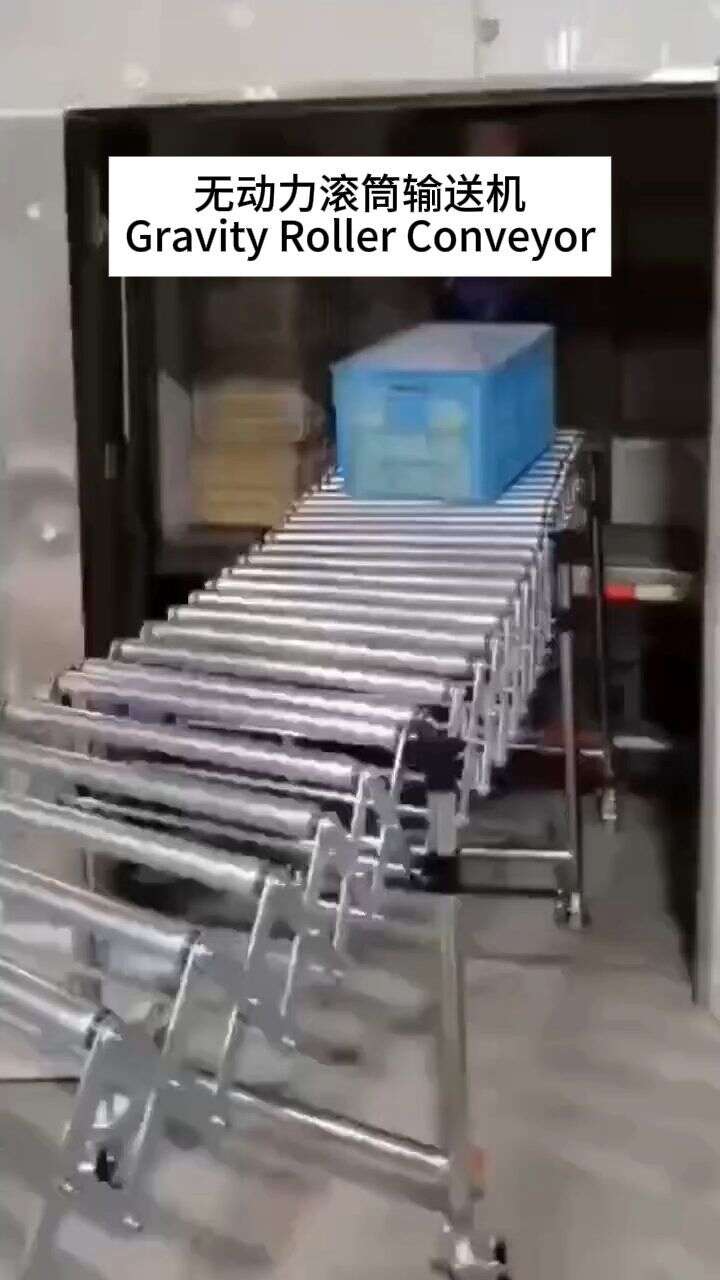
This model is clearly aimed at goods with a roller width of 38 mm, non-powered (pushed by hand or moved by gravity on a slope), with a conveying load of 50 kg per meter; the effective width is available in 500 / 600 / 800 / 1000 mm; the folding ratio is 1: 35, and the structure is compact, making it suitable for long-distance, retractable, and movable unloading and transfer sections. If what you are looking for is for light, small boxes not to shake, bounce, or need constant straightening on the roller surface, 38 mm often becomes a candidate.

38 mm 50 mm Roller Unloading Line
38 mm / 50 mm Roller Unloading Line

Why is "thinner rollers" amplified for light, small boxes? The core lies inthe continuity of bottom support. The smaller, harder the bottom surface of the goods is, and the more easily it is affected by edges/corners or recesses, the more it depends on denser, more continuous contact to maintain its posture; once the contact is not continuous enough, the boxes are prone to jolting, bouncing, and even getting blocked at turns or connection points. A common misjudgment at this stage is "the workers are pushing it wrong, " but in fact the cargo form simply places higher natural demands on the conveying surface.

The value of "stable conveying" becomes even more intuitive in warehouse operations: when boxes are more stable on the rollers, operators spend less time repeatedly straightening them, adjusting angles, and realigning them, making it easier to ramp up the warehousing rhythm; managers also find it easier to keep unloading takt within a predictable range instead of relying on temporary manpower to fill the gap.

Of course, the boundaries should be made clear first: the significance of 38 mm is not to replace every line, but to better suitboxes that are more sensitive to support continuityandunloading/transfer sections that require more flexible arrangement. If your boxes are very "solid, " have a wide bottom contact area, and you are pursuing strong takt control, then it may not be more suitable than other solutions. A finer specification does not mean it is better for every operating condition.

In which situations is 38 mm Gravity Roller Conveyor more worth considering first, rather than going straight to a powered line?

Using the non-powered section comfortably is usually not because it is "cheaper, " but because its drive logic matches the site’s operating method exactly: what you need issmoothness and labor saving, rather than precise speed control for every meter.

The scenarios where it is more worth prioritizing often appear in short- to medium-distance manual push sections, sections that can use a slight slope for gravity flow, temporary unloading setups, and flexible connections between workstations. For example, when unloading points change frequently, aisles need to be cleared at any time, or the line needs to be quickly folded up and then expanded again— in environments with this kind of frequent change, the non-powered section is often closer to how people naturally work: even if the flow changes slightly every day, it will not trigger a chain reaction throughout the entire system.

If what you are planning is actually a line with a "fixed takt and continuous operation, " then it is recommended that you shift your attention away from non-powered first and compare it with Powered Roller Conveyor this kind of driven solution: when the site emphasizes continuous takt and controllable speed, the problem is often not whether the rollers are good or not, but whether you actually need active drive through resistance sections (for example, long distance, changes in slope, frequent turns, or end sections that require vehicle holding/buffering).

Conversely, the boundary of "not forcing it" is also very clear: if you need tight coupling with automatic sorting, automatic merging, or similar equipment, or if your main requirement is "speed follows the system, queues follow the rules, " then non-powered sections easily become an uncertain factor in the chain. In that case, it is better to treat the non-powered section as the "flexible section at the unloading point" and leave the parts that require strong control to the powered section.

38 mm / 50 mm Roller Unloading Line

When making decisions on site, a very effective comparison baseline is to map out the entire flow and mark the positions that "require drive"—for example, the sections most prone to accumulation, increased resistance, or queue formation. Many times you will find that the only parts truly needing power are a few key positions, while the rest are actually easier to manage without power.

What really determines whether "long-distance flexible unloading layout" can run smoothly is not just the roller body itself

For 38 mm non-powered rollers of this kind, the value of the 1: 35 folding ratio and compact structure often lies not in "conveying itself, " but instorage and redeployment: quickly clearing the aisle after unloading; moving between different unloading points; temporarily adding unloading stations during peak periods and retracting them again once the rush is over. You will find that whether it can be used frequently often comes down to whether it can keep up with changes on site. If the flow in your facility often changes because of parking positions, temporary stacking areas, or pedestrian passage, then a non-powered folding section is often easier to accept than a fixed one.

But if you want it to feel smooth over long distances, the real difficulty is mostly hidden at the connection points, not the straight sections.

The first thing to check is the height difference and gap management between the truck bed, platform, and floor. Even on the same piece of equipment, a change in connection conditions can lead to a completely different experience: uneven height can make the boxes bump at the entrance, and poorly handled gaps can cause the corners of small boxes to get stuck more easily. Many on-site complaints that the "rollers are not smooth" end up being traced to the truck threshold, platform edge, or temporary shim boards creating the hardest "short slope" to get over. If you want to make the unloading section more flexible, it is usually compared together with Telescopic Conveyor to decide which approach you actually need: "a long-distance arrangement that can be folded" or "the ability to adapt automatically to the telescoping changes of the truck bed.".

The second point concerns the "next step" in warehouse integration. When a roller section connects to a staging area, sorting table, or turnover zone, if the exit rhythm and staffing assignments are not properly coordinated, congestion is more likely to happen at the transfer point than on the straight section — boxes move out too fast and no one receives them, or they are received too slowly and cause backflow, and the site will mistakenly think that "the more equipment we add, the less smoothly it runs." This kind of problem is especially common in warehouses where "the straight section is smooth, but the end is a mess.".

The third point is the rhythm conflict in human-machine collaboration: the pace of manual pushing, the organization at turning and merging points, and the right-of-way rules during peak periods all directly determine whether a "long-distance" line improves efficiency or creates new friction. A gravity section is not incapable of being long; rather, once it gets longer, it depends more on "how it is used on site." If you need to lift the end directly to different floors or shelf heights, then you should consider connecting the line to lifting equipment, for example, depending on the space conditions, look at Z-type Vertical Conveyor or similar vertical conveying equipment, so you can avoid interrupting the rhythm by manually "forcing up" the load at the end of the roller section.

How 38 mm and 50 mm Gravity Roller Conveyor compare: the main differences usually lie in the cargo form and on-site tolerance

Many teams hesitate between 38 mm and 50 mm for a very practical reason: both are called gravity rollers, and both seem usable, but the "feel" and "passability" differ in the details.

It is better to compare them based on "how the goods perform on the roller surface" rather than turning it into a spec contest:

  • Continuity and stability of bottom support: For light boxes, goods with less-than-perfect bottoms, or cargo that is more easily affected by gaps, people often care more about whether it moves smoothly without bouncing or drifting. In this kind of application, the value of 38 mm is easier to see.
  • On-site tolerance and versatility: When the cargo is more standard box-shaped goods, the workload is heavier, and there is a stronger emphasis on whether "any box can move through, " 50 mm often becomes the focus of comparison. Its advantage is usually that it is closer to a general-purpose configuration.

To explain the selection logic clearly, it really comes down to one sentence: are you buying stability for "more sensitive box forms, " or are you buying tolerance for "more varied cargo types and a rougher usage habit"?

If you want to make the judgment more quickly, the most direct way is to use the same cargo assumptions and the same route layout to compare 50 mm Gravity Roller Conveyor for compatibility — do not rely on the name alone to guess the difference. In many cases, what really determines the experience is the effective width selection, the transfer-point handling, and whether you end up "eating away" the smoothness of the straight section at the turning point.

Also, if your cargo is more suitable for sliding rather than rolling, or if you need a more flexible turning layout, you can also take a look at Gravity Skate Wheel Conveyor: in some scenarios that require frequent turning and a lighter layout, it may be closer to the kind of setup that is "easy to push, easy to turn, and easy to move.".

Where price differences usually come from: effective width, load limits, and configuration method

Even with the same 38 mm gravity roller, price differences are often not something "the manufacturer just says casually"; they are jointly determined by the effective width you choose, how you plan to use the load limit, and where you intend to place it in the overall line.

First, effective width. 500 / 600 / 800 / 1000 mm may seem like "the wider, the better, " but the common on-site downside is this: if the width is not a good fit, the aisle layout becomes harder, the force position for manual pushing is more dispersed, and it becomes easier for boxes to move diagonally on the surface. A more reasonable approach is to look at width together with three things: the cargo shape (especially the effective contact area on the bottom), pedestrian and yielding space, and the size of the dock/workstation/staging area you need to connect to. The waste caused by a mismatched width is often not waste of the equipment itself, but the fact that the downstream route is forced to "take a detour.".

Next, the load boundary of 50 kg per meter. Gravity sections are most often treated as something that can be laid anywhere, but once the site experiences concentrated stacking, impact pushing, or localized long-term overload, the experience quickly turns into "the more it is used, the less smoothly it runs": at best, local deformation and increased resistance; at worst, a higher frequency of jams and more frequent maintenance. What you really need to clarify when asking for a quote is not "can it be made, " but how you plan to use it — whether it will be a temporary unloading line or a regular main passage. Different usage intensities lead to different problems later.

The third factor is the configuration method. Gravity rollers are often not purchased on their own; they are used as part of an unloading line, as a transfer section, or in combination with other equipment. Looking at investment by section is usually closer to the real purchase than looking at a single machine: with the same length, connecting to a truck opening, to a sorting table, or to a turning section requires different supporting equipment on site, so the total investment naturally varies.

Many teams will put the gravity section and the telescopic solution on the same drawing to calculate everything clearly, especially when the distance inside and outside the truck changes a lot and a more flexible unloading arrangement is needed. You can compare 2-section Telescopic Conveyor or 3-section Telescopic Conveyor to first clarify whether you are solving for changing distances or simply wanting to quickly retract and clear the way. The former is more like buying adaptability; the latter is more like buying layout freedom. The difference in investment between the two comes mainly from the scope of supply and on-site engineering work, not just the equipment name.

The maintenance and operating issues most likely to show up after installation usually appear at the "transfer point" and the "turning section"

After a gravity roller conveyor is put into use, the most common feedback is "boxes getting stuck, bouncing, and not running smoothly." But when the site is reviewed, many of the issues do not come from the roller body quality itself, but from transfer-point handling: inconsistent height, gaps that are too large or too rigid, unstable temporary pads, and no transition at the exit will all quickly amplify problems for light boxes.

If you want to compare with a similar scenario, take a look at Unloading from the side compartment into the warehouse with a Gravity Roller Conveyor In this kind of case, what is worth seeing usually is not "how much equipment was used, " but "how the transfer from the truck side door to the in-warehouse staging area is handled, how the staff are positioned, and where backflow is likely to happen." For many sites, whether things run smoothly comes down to the transition method in that small section at the transfer point.

The second high-frequency issue is the turning section. Turning points are more likely to experience yaw and lateral squeezing, and light boxes are especially sensitive here: they move smoothly on the straight section, but as soon as they reach the turning opening, they start to skew, bump, and squeeze, which then leads to congestion and rework. If you must turn into storage inside the warehouse, it is recommended to treat the "straight section + turning section" as one whole system rather than assuming the whole line is fine just because the straight section runs smoothly. Rather than guessing by feel, it is better to refer to application case of turning into the warehouse with Gravity Skate Wheel Conveyor: it can usually help you understand why turning points need guidance and transition more than simply adding people to hold the load in place.

The third easily overlooked factor is the "feel" change caused by the environment and cleanliness. Dust and debris buildup, and changes in rolling resistance caused by humid or low-temperature conditions, can make it very obvious that it takes more effort to push. To keep the non-powered section running smoothly over the long term, what matters is often not complex maintenance, but daily usage habits: keep the channel and roller surfaces clean, and avoid letting film scraps or paper scraps accumulate for long periods at turning points and transfer points. If you also use conveying equipment in a cold storage or low-temperature environment, you may also want to take a look at Cold Storage Roller Conveyor Review Process This kind of on-site content related to the environment (the focus is on how "changes in resistance affect the rhythm, " rather than copying a solution verbatim).

In the end, it comes back to the choice itself: the 38 mm Gravity Roller Conveyor is more like a tool for keeping light, small boxes moving steadily. It is more sensitive to the layout and transfer points, and also relies more on how the site is organized. Once you handle the transfer points and turning sections properly, it will save you a lot of trouble; if you treat it as a universal fix that will run smoothly just by laying down a section, the problems that surface after launch will also be more concentrated. If you need us to help you sort out the flow based on your box type, channel width, and unloading method, it is also recommended to start from Gravity Roller Conveyor Category Page Looking at similar solutions against the same comparison baseline makes many judgments become clear much faster.