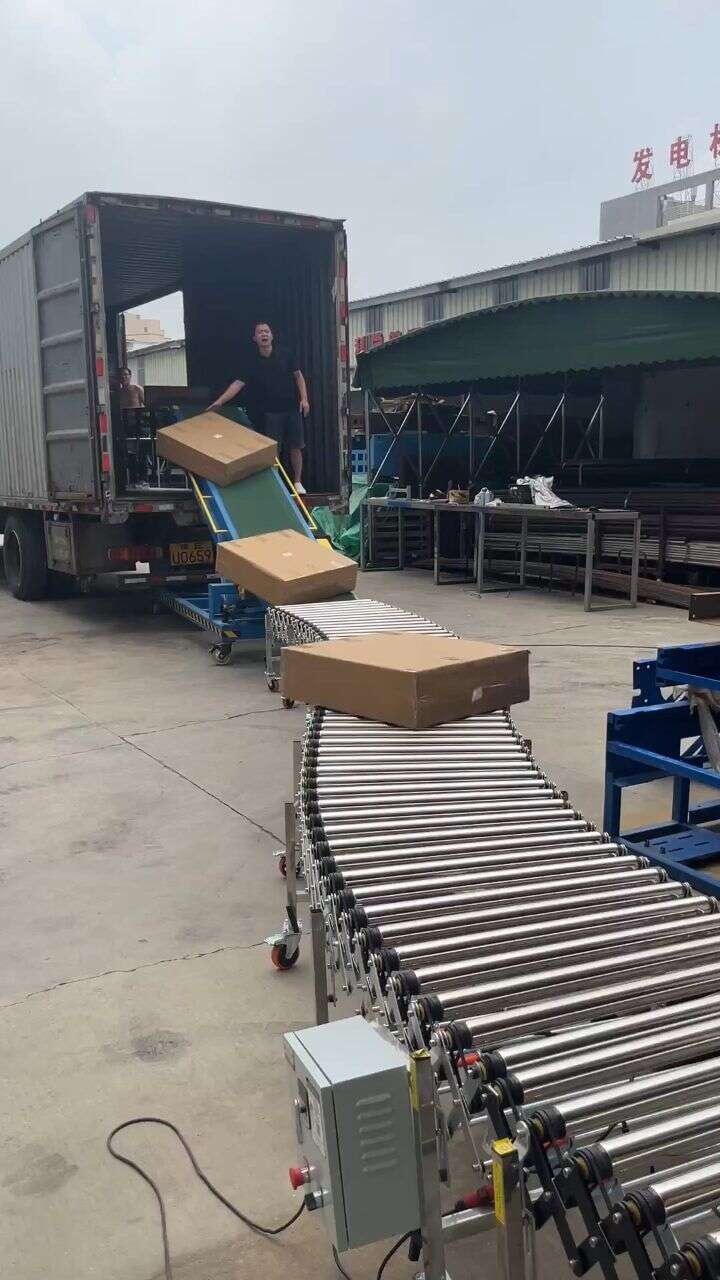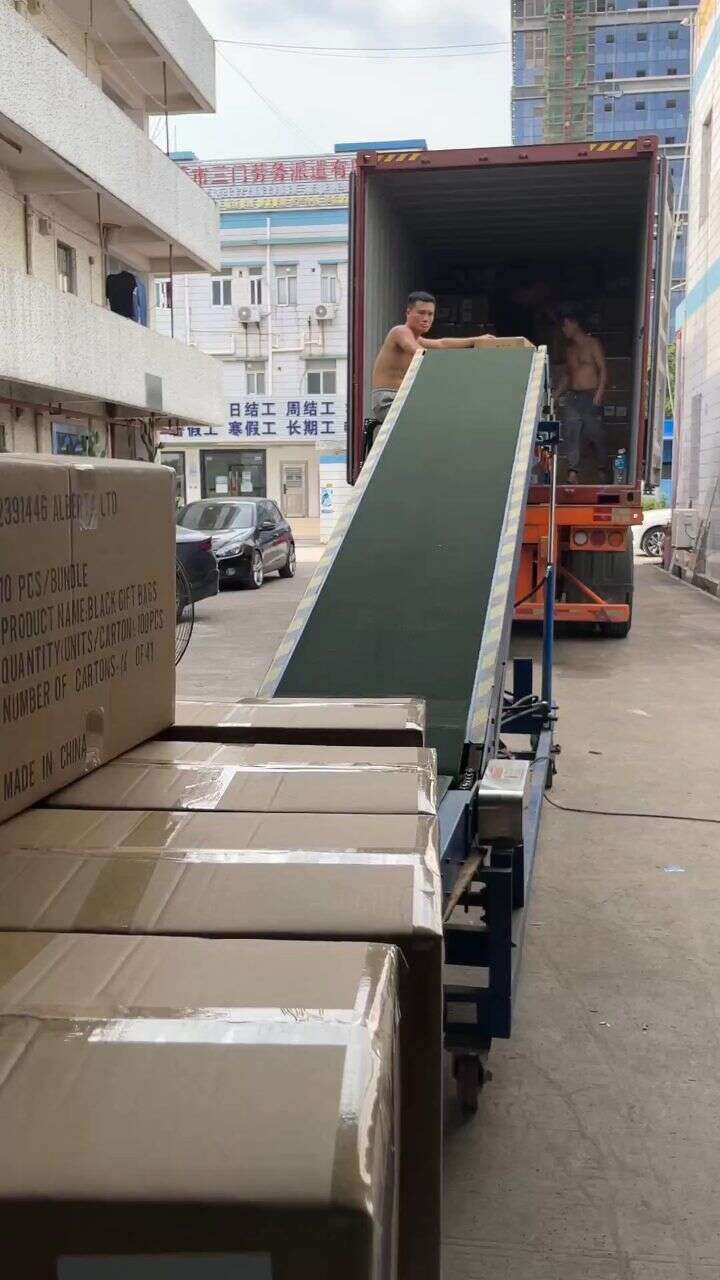
This case takes place during the loading operation at a fabric factory, aiming to load fabric rolls into a truck compartment for shipment.
The cargo consists of fabric rolls approximately 1.5 meters in length each. The vehicle is a 7.6-meter truck, and the loading target is the interior working surface of the truck compartment.
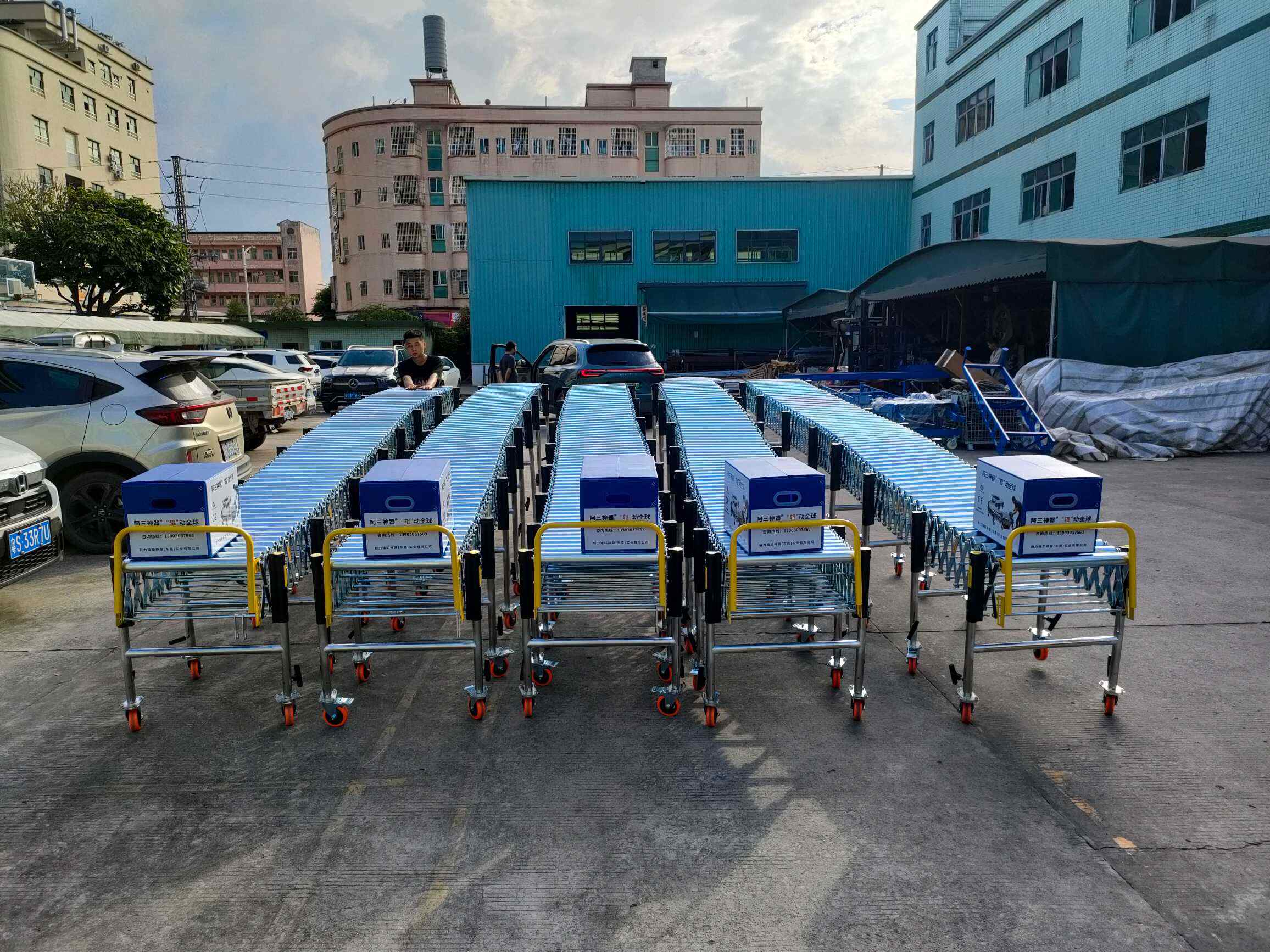
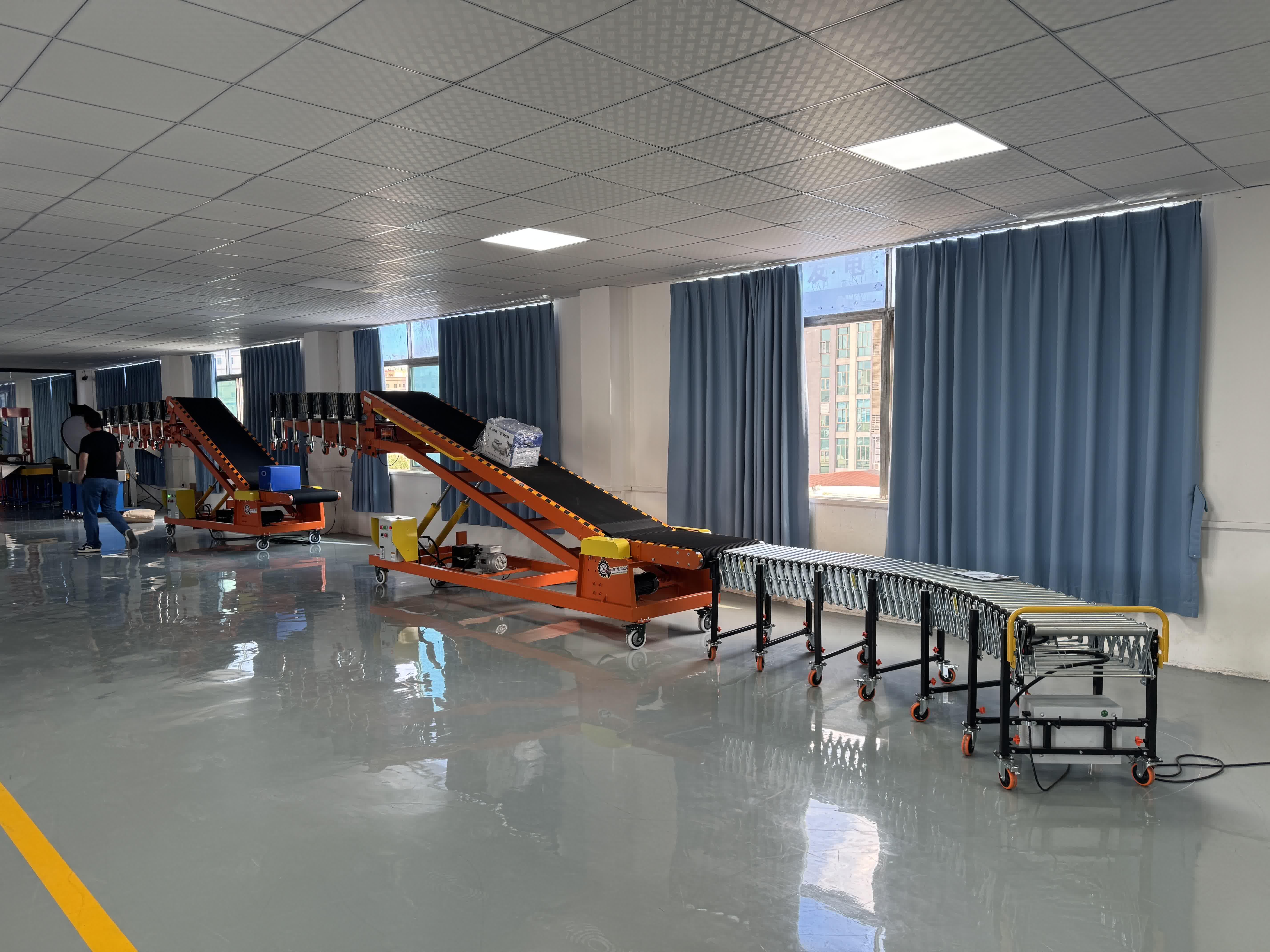
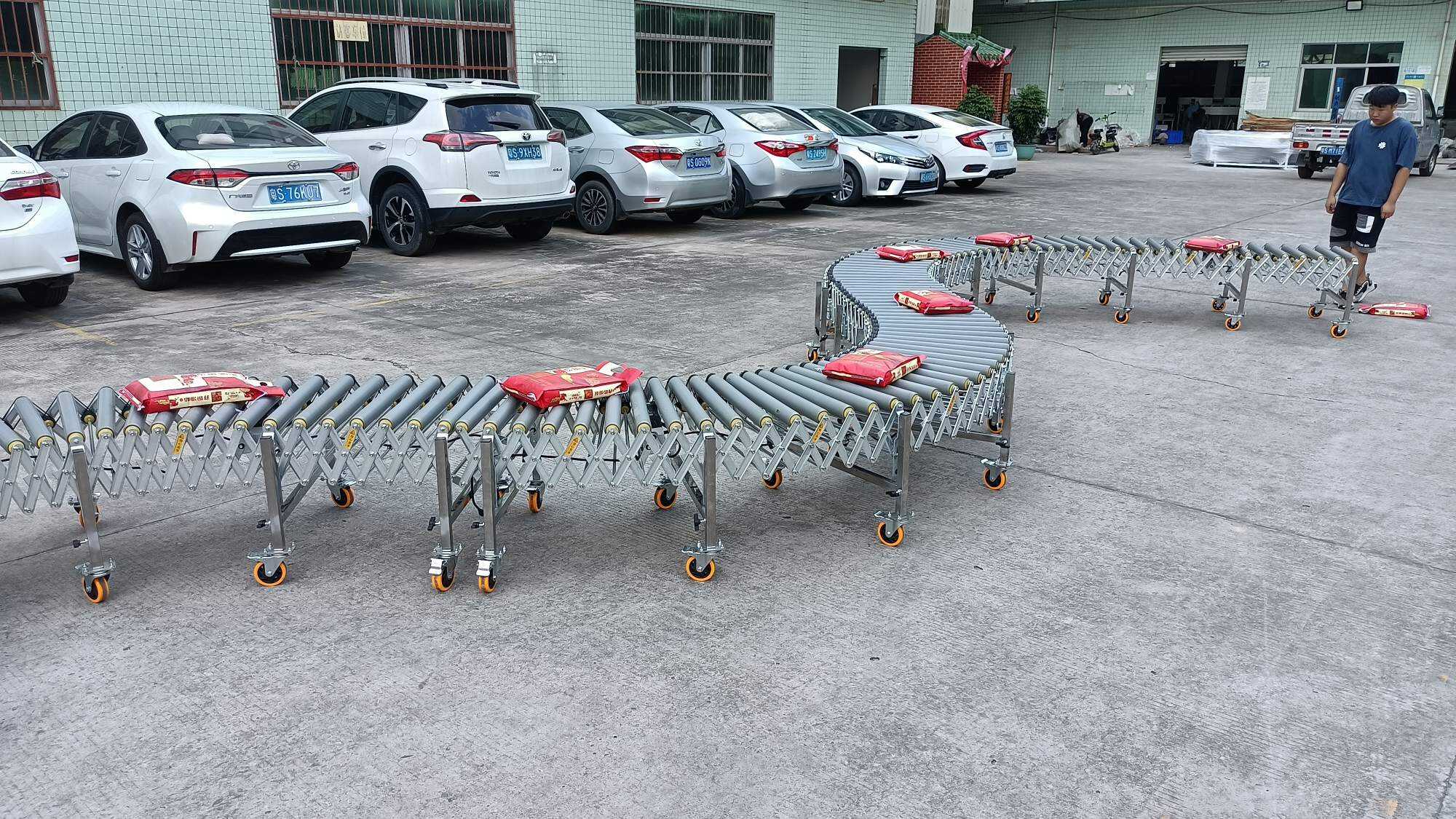
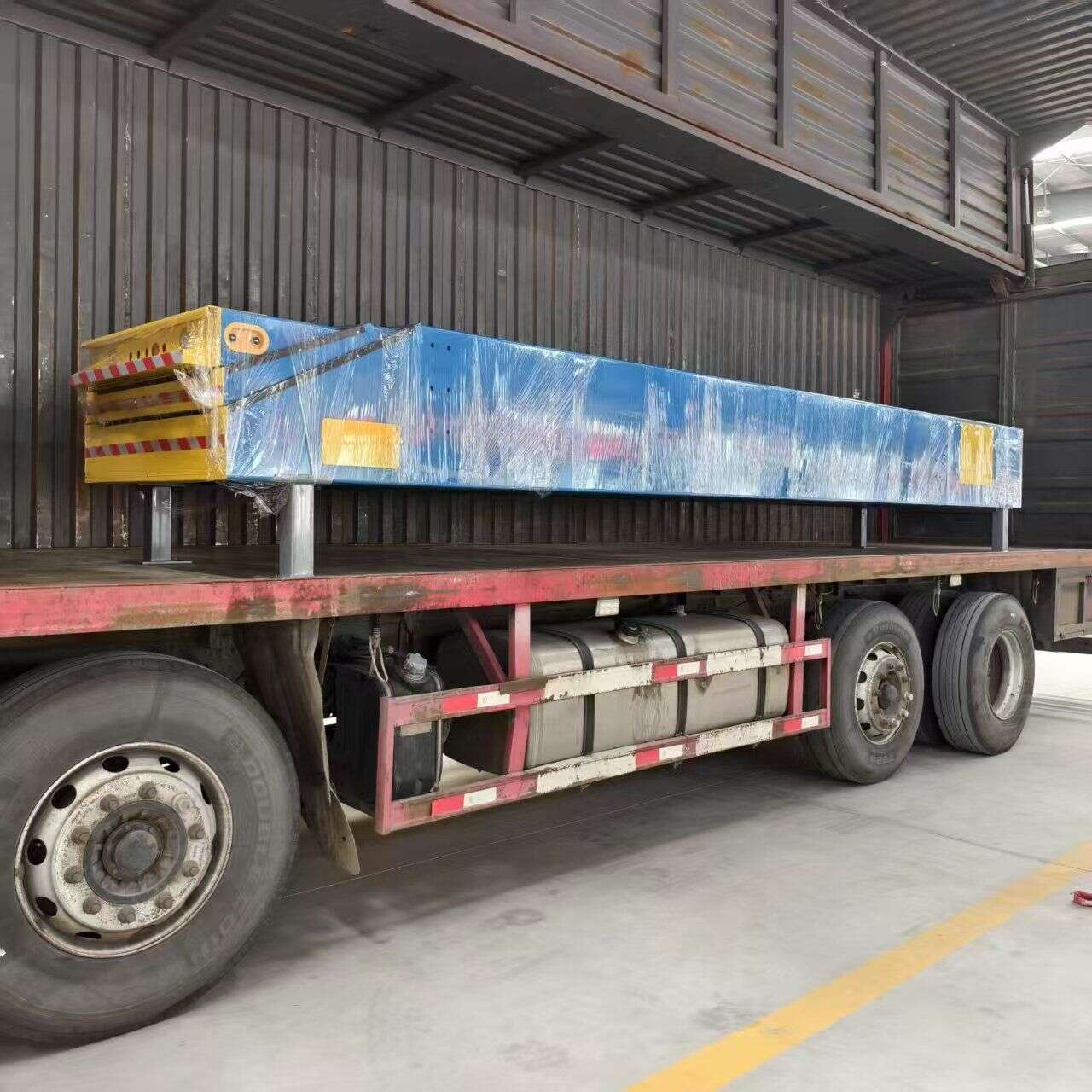
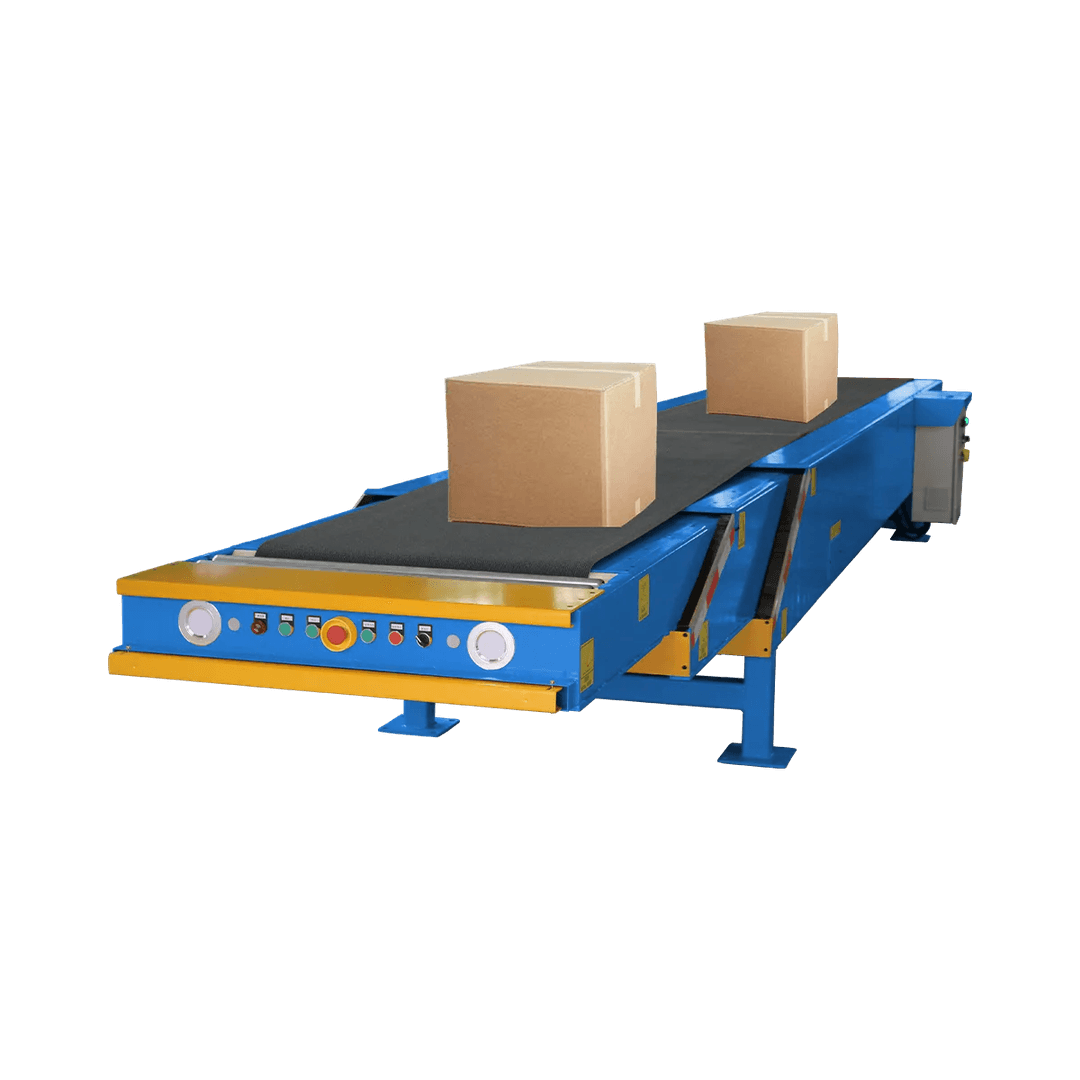
The key equipment on site is a 3-section telescopic conveyor with hydraulic mechanisms, used to form a continuous conveying channel between the loading opening and the working area inside the compartment.
3-Section Telescopic Conveyor
Our three-section telescopic conveyor can extend up to 7–9 meters, reaching deep into trucks and containers to enable fast and efficient loading and u...
 Metal Drum
 Plastic Drum
 Roll
Roll
 Carton
 Bagged
How the solution connects (equipment to vehicle interface)
During loading, the 3-section telescopic conveyor is positioned at the truck’s loading opening, extending inward via its telescoping segments to deliver the conveyor end into the compartment work area, minimizing transfer gaps between the opening and the deeper compartment.
The hydraulic sections handle height matching and fine adjustments during the docking process: once the vehicle is docked, lift adjustments smooth the connection between the conveyor end and the compartment floor, avoiding noticeable drops in the transition and facilitating the transfer of fabric rolls into the vehicle.
After the fabric roll is received by the conveyor, it is carried into the vehicle; upon reaching the internal handoff point, personnel inside the compartment take over, placing, repositioning, and organizing the roll according to the compartment’s loading pattern, forming a "equipment delivers in place—manual placement" workflow.
Operation process and human coordination
-
Loading onto the conveyor: fabric rolls are moved from the staging area to the feeding end of the conveyor, where workers place them on the belt and ensure they are stable before conveying begins.
-
Telescoping and conveying: as loading progresses, the telescoping sections extend or retract to match the working position inside the compartment, guiding the fabric rolls along the conveyor into the vehicle. Personnel outside the compartment monitor feeding and conveying continuity; those inside follow the handoff point to receive the rolls and complete placement.
-
Internal and external handoff and placement: once a fabric roll reaches the internal handoff location, the compartment personnel receive it, adjust its placement, and reorganize already placed rolls as needed to keep the passage clear for the next roll.
-
Nodes requiring coordinated confirmation:
- When the equipment telescopes or the hydraulic lift adjusts, both inside and outside the compartment maintain communication and confirm that the handoff position and standing area are unaffected before switching actions.
- During internal and external handoffs, focus coordination on the rhythm of "receive and immediately set down" to prevent fabric rolls from lingering at the handoff point and disrupting subsequent feeding.
- After each placement, promptly tidy the current stacking state to ensure the passage remains clear for the next fabric roll entering the compartment.
Changes after implementation
After introducing the 3-section telescopic conveyor equipped with a hydraulic system, the loading handover method shifted from primarily handling inside and outside the trailer manually to continuously conveying the goods into the trailer through the telescopic conveyor and then arranging them by hand.
The focus of on-site staff actions also changed: instead of long-distance carrying, they now coordinate around loading, receiving, placing, and organizing activities in rhythm with the equipment.
The loading chain became clearer: the zones waiting for loading, the conveyor, and the handover point inside the trailer all became defined, making transitions smoother and allowing the loading sequence to progress continuously.