Truck and Warehouse Collaboration Case

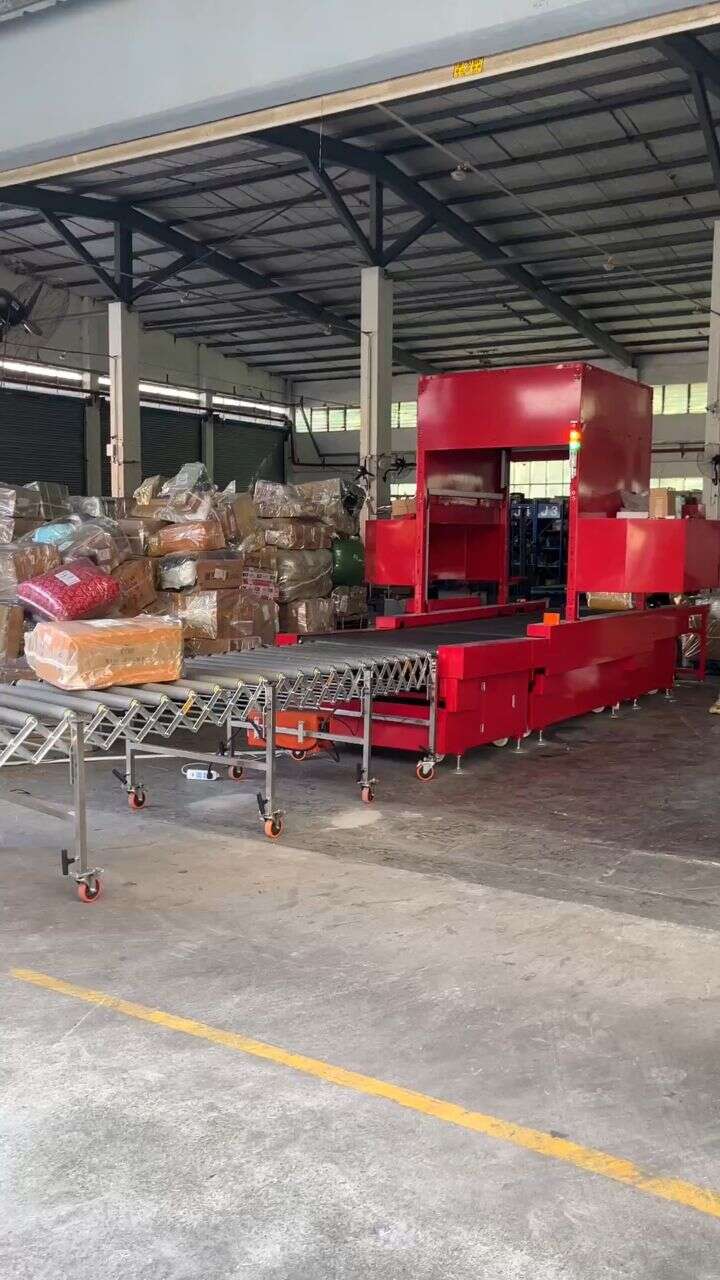
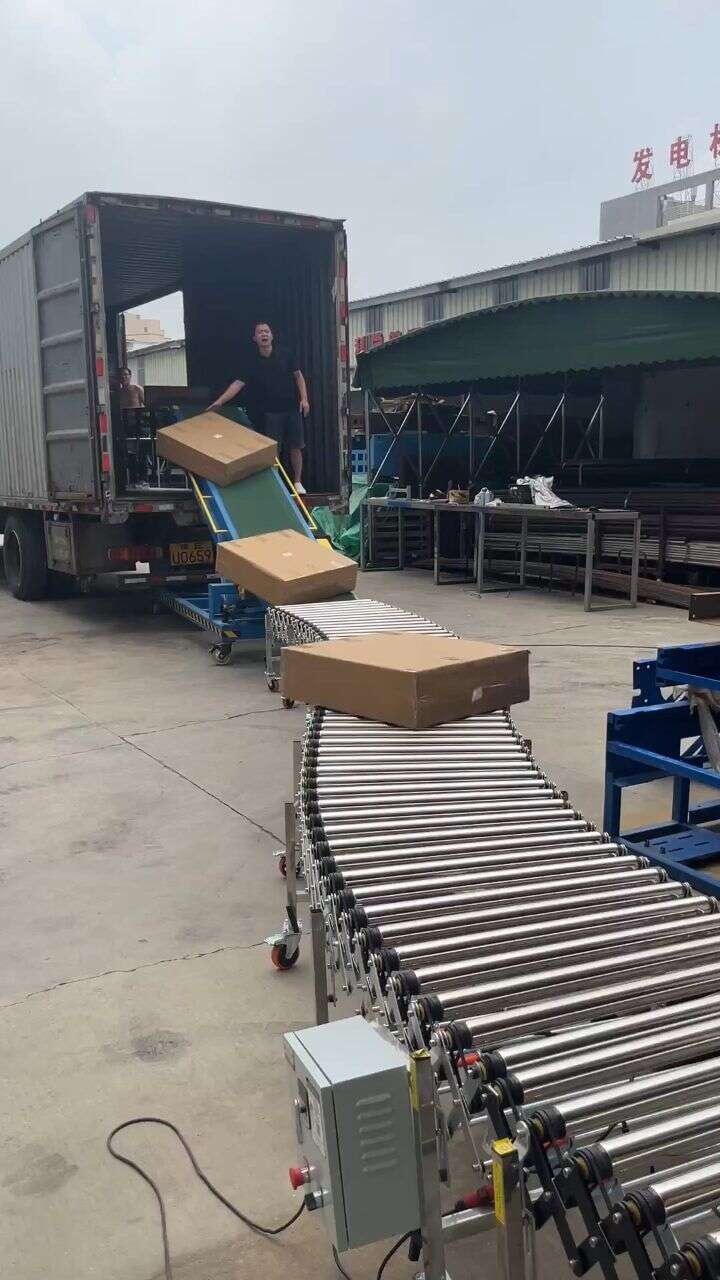
The rear of a 7.6 m truck uses a Multi-Wedge Belt Powered Roller Conveyor to open up a receiving channel into the warehouse, with one person loading at the rear of the truck, one person pushing goods onto the rollers, and warehouse personnel receiving them, ensuring uninterrupted cargo flow.

Publish Date: 2026-03-25

At the rear of a 7.6-meter truck, one worker places goods in sequence. The roller infeed and the warehouse receiving end are handled by another worker and a warehouse worker respectively, forming a linked workflow line. The multi-wedge belt powered roller conveyor extends between the truck tail and the warehouse entrance, connecting manual loading with warehouse receiving, maintaining continuous goods flow and reducing interruptions caused by manual handling.

How the solution connects

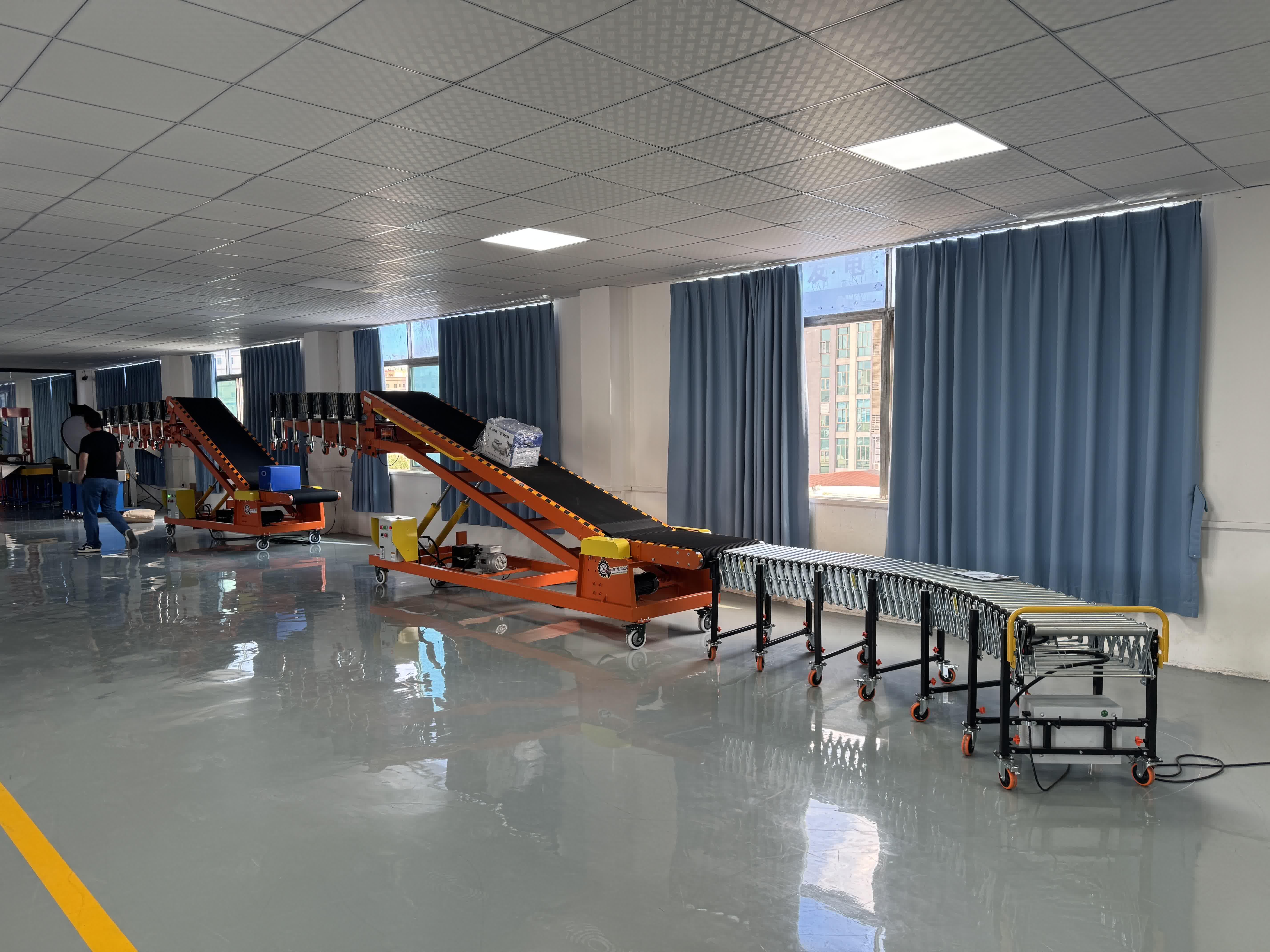
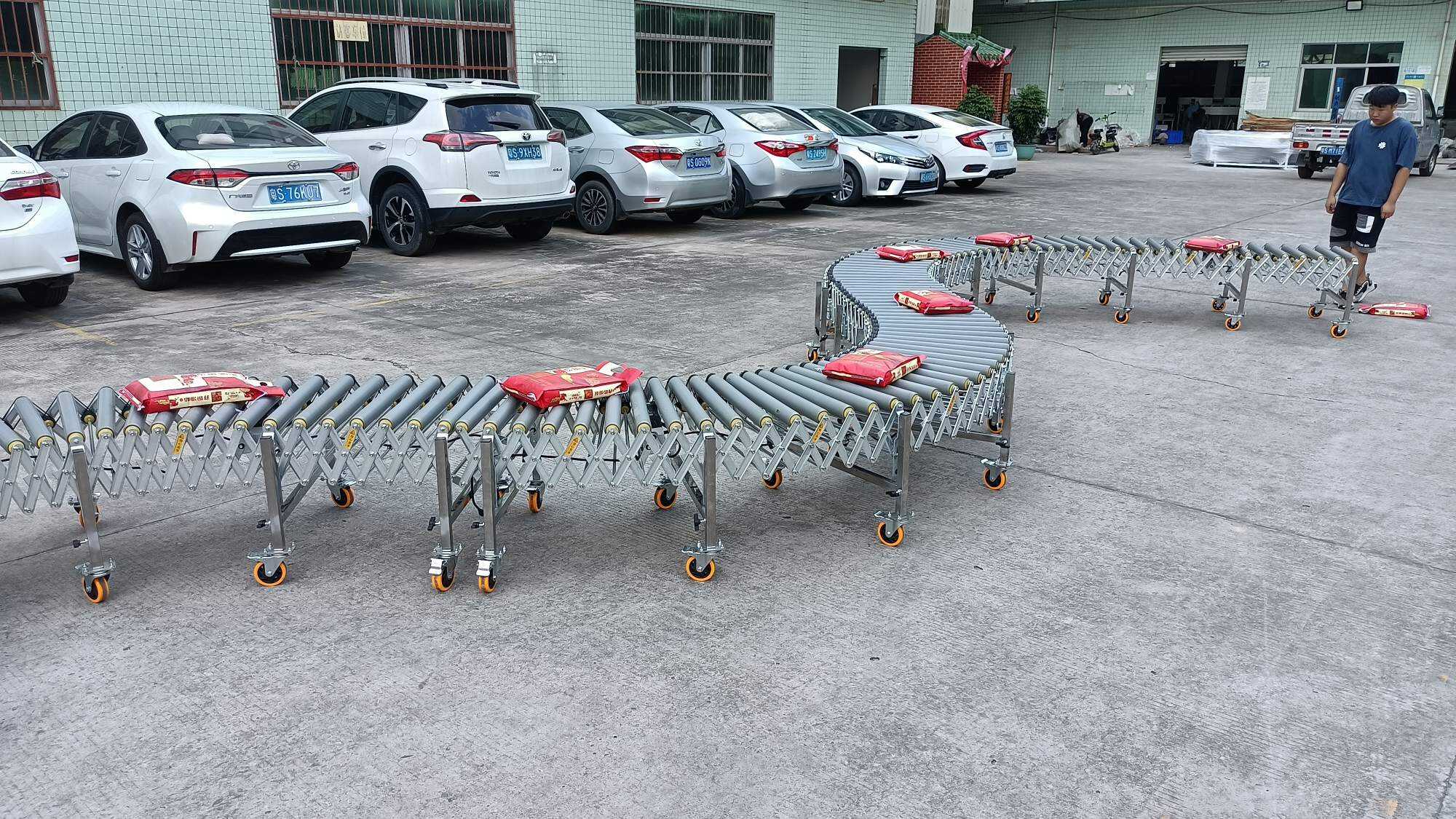
The equipment is arranged from the rear of the truck toward the warehouse, aligning the roller conveyor line with the workers’ movements to ensure smooth handoff after loading. The multi-wedge belt powered roller conveyor uses a drive belt combined with rollers to provide synchronized conveying for different types of goods to the warehouse entrance, keeping the flow pace stable.

Workflow and coordination with manual labor

One worker first stages all goods at the rear of the truck so another worker can push them onto the roller conveyor one by one. By keeping a steady rhythm while pushing, each item naturally enters the conveyor line. Warehouse staff receive and sort at the same time, stacking items in the storage area to prevent buildup at the infeed end.

Changes after use

The roller conveyor creates a connecting corridor between the truck and the warehouse, so workers only need to hand off in segments along the line, making the transfer smoother. The warehouse end can continuously receive goods delivered into position, reducing waiting and rework, and improving overall material flow.
Contact Sales Manager

Contact Person Mr. Chen (Jim Chen)Sales Manager

WeChat
18028941262
WhatsApp
+86 18028941262
Phone
+86 18028941262
Email
jim@naili.ltd
Brand Name
Naili Conveyor | Naili Unloading
Company Name
Naili Unloading Artifact (Guangdong) Industrial Co., Ltd. (Naili Unloading Artifact (Guangdong) Industrial Co., Ltd.)

Factory Strength

Learn about production equipment, workshop environment, processing capacity, and quality control through real photos and videos.

工厂图片 4
Image

工厂图片 4

工厂图片 2
Image

工厂图片 2

工厂主图
Image

工厂主图

工厂图片 3
Image

工厂图片 3

工厂图片 1
Image

工厂图片 1

Express Warehouse Barcode Scanning Loading Case

Express Warehouse Barcode Scanning Loading Case

At an express company's warehouse loading site, a Medium Hydraulic Conveyor and a Multi-Wedge Belt Powered Rubber-Covered Roller Conveyor inside and outside the truck form a continuous conveying chain. A barcode scanning station is set on the conveyor line, so after scanning, the goods travel uninterrupted directly to the truck compartment; workers handle loading, sorting of abnormal items, and placement inside the truck compartment.

2026-03-07Read More→
Tobacco Warehouse Loading Case

Tobacco Warehouse Loading Case

A cigarette warehouse uses a Powered Roller Conveyor to connect the first-floor buffer area directly to the truck compartment. With one worker at each end, a full truck can be loaded, reducing handling intensity and improving loading rhythm.

2026-01-28Read More→
Loading and Unloading Conveyor Integration Case

Loading and Unloading Conveyor Integration Case

When loading and unloading a 7.6 m truck carrying 2 m-long box cargo, in a site without a loading platform, a Medium Hydraulic Conveyor is directly connected to a Multi-Wedge Belt Powered Roller Conveyor, with workers manually guiding the cartons at both ends to align them and ensure the cargo can enter and exit the truck body directly.

2026-04-05Read More→
Fabric Roll Warehouse Loading Case

Fabric Roll Warehouse Loading Case

Small fabric rolls are directly sent from the warehouse to the truck bed via a 3 m/section Powered Roller Conveyor, allowing high-frequency loading to be completed with only two workers, reducing handling intensity while keeping the loading rhythm stable.

2026-01-29Read More→